Yoga, an ancient practice with roots in India, is celebrated worldwide for its holistic benefits that unify body, mind, and breath. For beginners, mastering yogaasan (yoga poses) lays the foundation for a lifelong journey of health, flexibility, strength, and inner peace.
This blog will introduce essential yoga poses, offer exercise guides, and provide tips to help beginners develop a balanced and safe yoga practice.
Introduction to Yogaasan for Beginners
Yogaasan, or yoga poses, are the physical postures practiced in yoga sessions. Each pose targets different muscle groups, improves flexibility, enhances body awareness, and nurtures mindfulness through breath control.
Beginners should focus on basic poses that build strength and balance while preventing injury. Regular practice, coupled with mindful breathing, unlocks yoga’s transformative power.
Preparing for Your Yoga Practice
Before diving into poses, it’s critical to prepare the body and mind:
- Wear comfortable, stretchable clothing.
- Practice on a yoga mat to ensure stability.
- Start with centering exercises such as breath awareness or light stretches to tune in to your body.
- Approach each pose with patience; yoga is about progress, not perfection.
Essential Yoga Poses for Beginners
Here are foundational yoga asanas to master, with detailed step-by-step instructions.
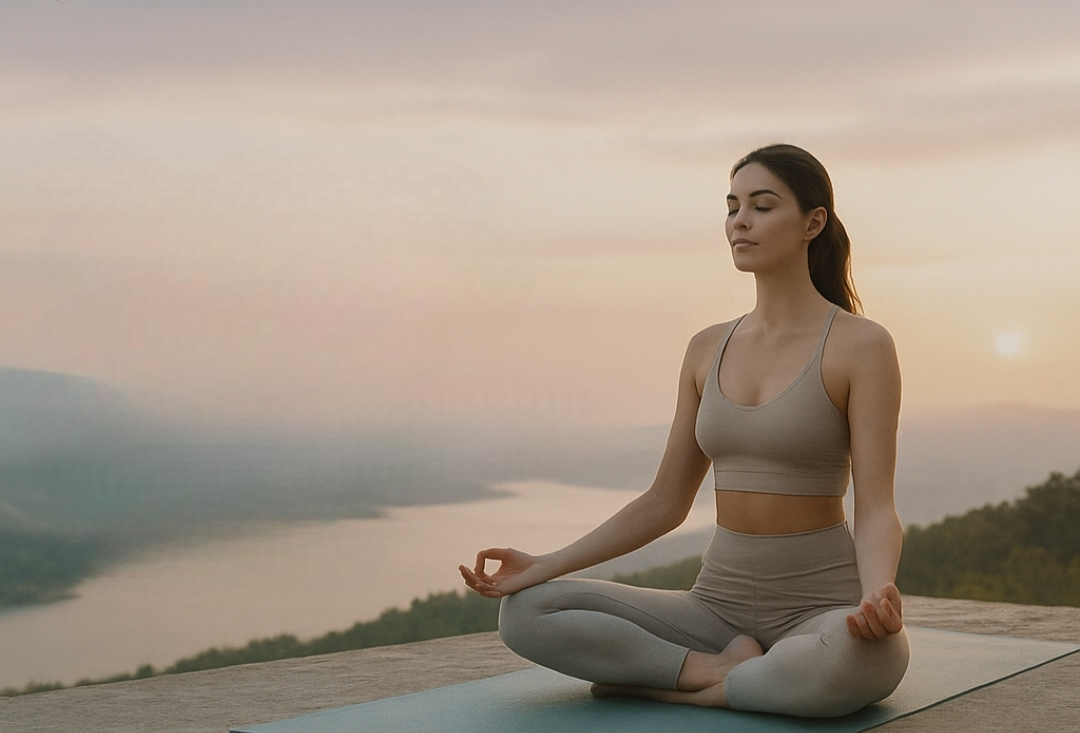
Mountain Pose (Tadasana)
A standing pose that grounds and centers your body:
- Stand tall with feet together, grounding through all corners of your feet.
- Engage your thighs, lift your chest gently, and relax shoulders.
- Lengthen the spine, align head over hips.
- Breathe slowly, feeling balance and strength.
This pose resets posture and is a starting point for many sequences.
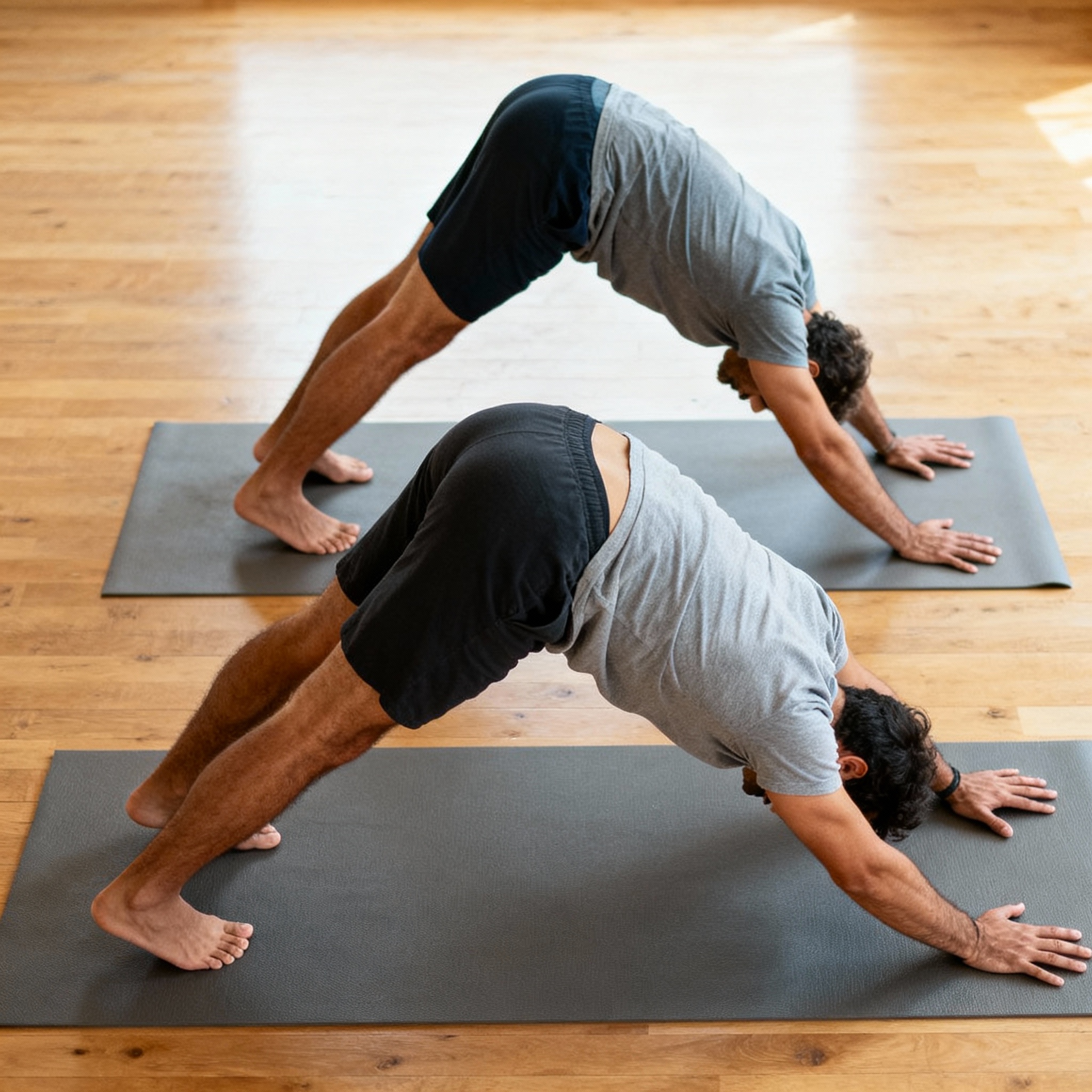
Downward Facing Dog (Adho Mukha Svanasana)
A rejuvenating full-body stretch:
- Start on hands and knees, hands shoulder-width apart.
- Tuck toes and lift hips toward ceiling, forming an inverted V shape.
- Press heels toward the floor (heels may not touch if tight).
- Spread fingers wide, engage arms, and stretch the back body.
- Hold for several breaths to release tension in hamstrings and spine.
Warrior II Pose (Virabhadrasana II)
Strengthens legs and improves focus:
- Step feet wide apart, turn front foot out 90 degrees, back foot slightly in.
- Bend front knee over ankle, stack shoulders over hips.
- Extend arms parallel to the floor, gaze over front hand.
- Ground firmly through feet and hold steady breaths.
This pose builds stamina and balance.
Triangle Pose (Trikonasana)
Opens the hips and stretches the sides:
- From standing, spread feet apart, turn front foot out, back foot slightly in.
- Reach front hand down to shin or floor, extend other arm up.
- Turn chest upwards, gaze towards ceiling or hand.
- Maintain straight legs without locking knees.
Useful for flexibility and spinal alignment.
Child’s Pose (Balasana)
A restful pose for recovery and resetting:
- Kneel on mat, sit back on heels.
- Stretch arms forward or alongside the body.
- Rest forehead on the floor, breathe deeply.
- Use this pose between challenging postures for relaxation.
Cat-Cow Pose (Marjaryasana-Bitilasana)
Warms up the spine and coordinates breath with movement:
- Start on hands and knees.
- Inhale, arch back (cow), lifting head and tailbone.
- Exhale, round spine (cat), tucking chin and tailbone.
- Continue flowing with breath to ease stiffness.
Sequencing Your Practice: The Right Order
Order matters in yoga to prepare the body progressively:
- Begin with centering and breath control.
- Warm up with gentle stretches and mobility exercises.
- Move to standing poses for strength and balance.
- Include backbends and twists to open the chest and spine.
- Transition to seated or supine poses for deep stretches.
- End with relaxation poses like Savasana to integrate benefits.
Tips for Mastering Yogaasan Safely
- Focus on alignment over depth to avoid injury.
- Use props such as blocks or straps if needed.
- Breathe deeply and evenly throughout practice.
- Practice regularly, even if briefly.
- Listen to your body and avoid pushing into pain.
- Consider guided classes or videos to support learning.
Benefits of Regular Practice for Beginners
Consistent engagement with these asanas can lead to:
- Increased flexibility and muscle tone.
- Improved posture and body awareness.
- Reduced stress through mindful breathing and relaxation.
- Enhanced balance and coordination.
- Better respiratory and cardiovascular health
Deepening Your Understanding of Yogaasan
Yogaasan or yoga postures form the backbone of physical yoga practice. Yogaasan Each asana is designed not just to stretch or strengthen muscles but also to enhance energy flow, posture, and mental calm.
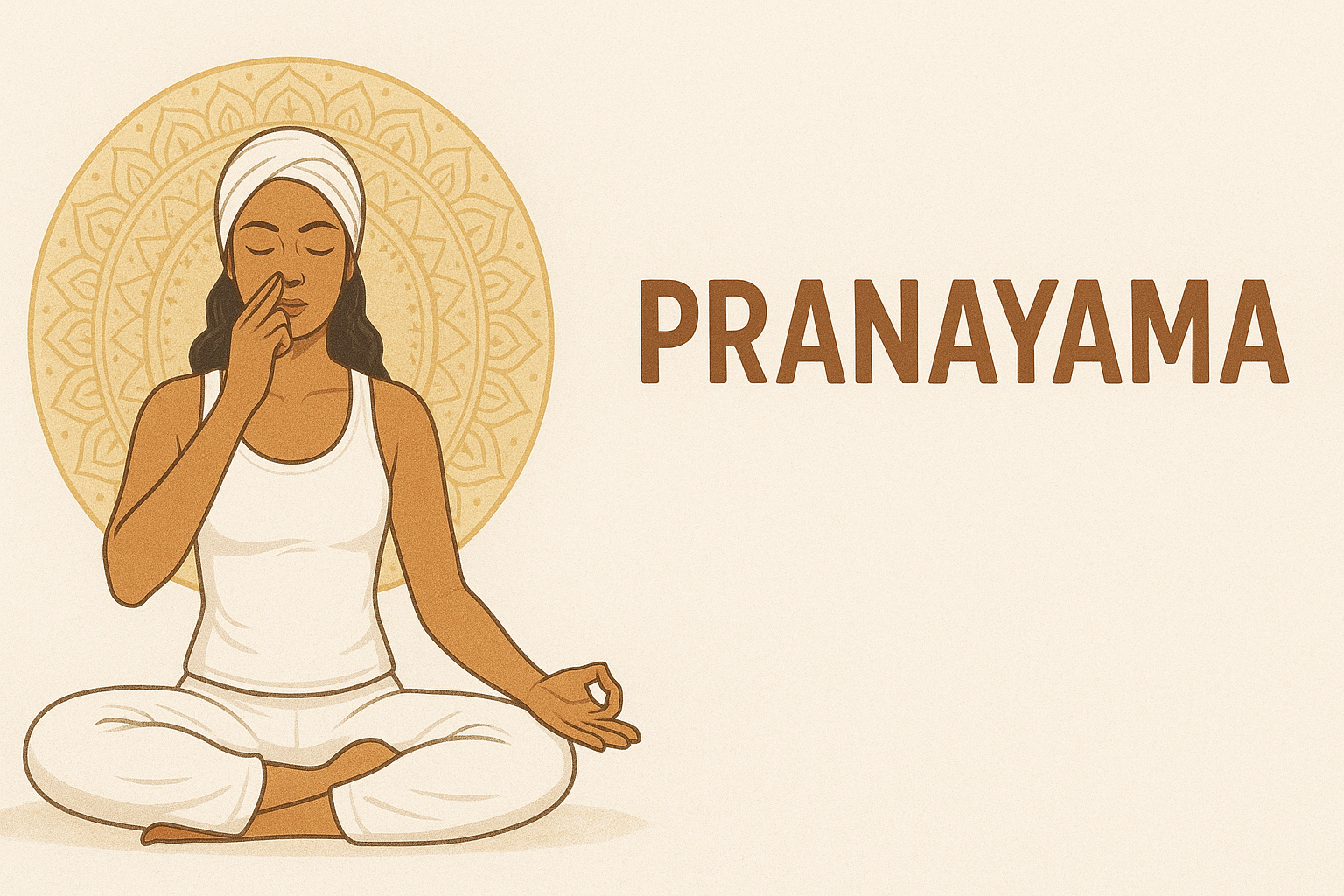
Yoga’s true gift is how these movements integrate with conscious breathing (pranayama) and mindful awareness, turning exercise into a moving meditation.
For beginners, it’s essential to approach asanas with respect for the body’s limits and gradual progression. Even simple poses like Mountain Pose or Child’s Pose can offer profound benefits when practiced with focus and breath synchronization.
Over time, these foundational poses pave the way for more advanced postures.
Additional Essential Poses for Beginners
Beyond the core poses introduced earlier, several other asanas help build strength, flexibility, and mental focus:
Cobra Pose (Bhujangasana)
A gentle backbend that strengthens the spine and opens the chest:
- Lie prone on your stomach with legs extended and tops of feet on the mat.
- Place palms under shoulders and gently lift chest while keeping elbows slightly bent.
- Draw shoulder blades back and down, broadening across the chest.
- Hold and breathe deeply to decompress the spine.
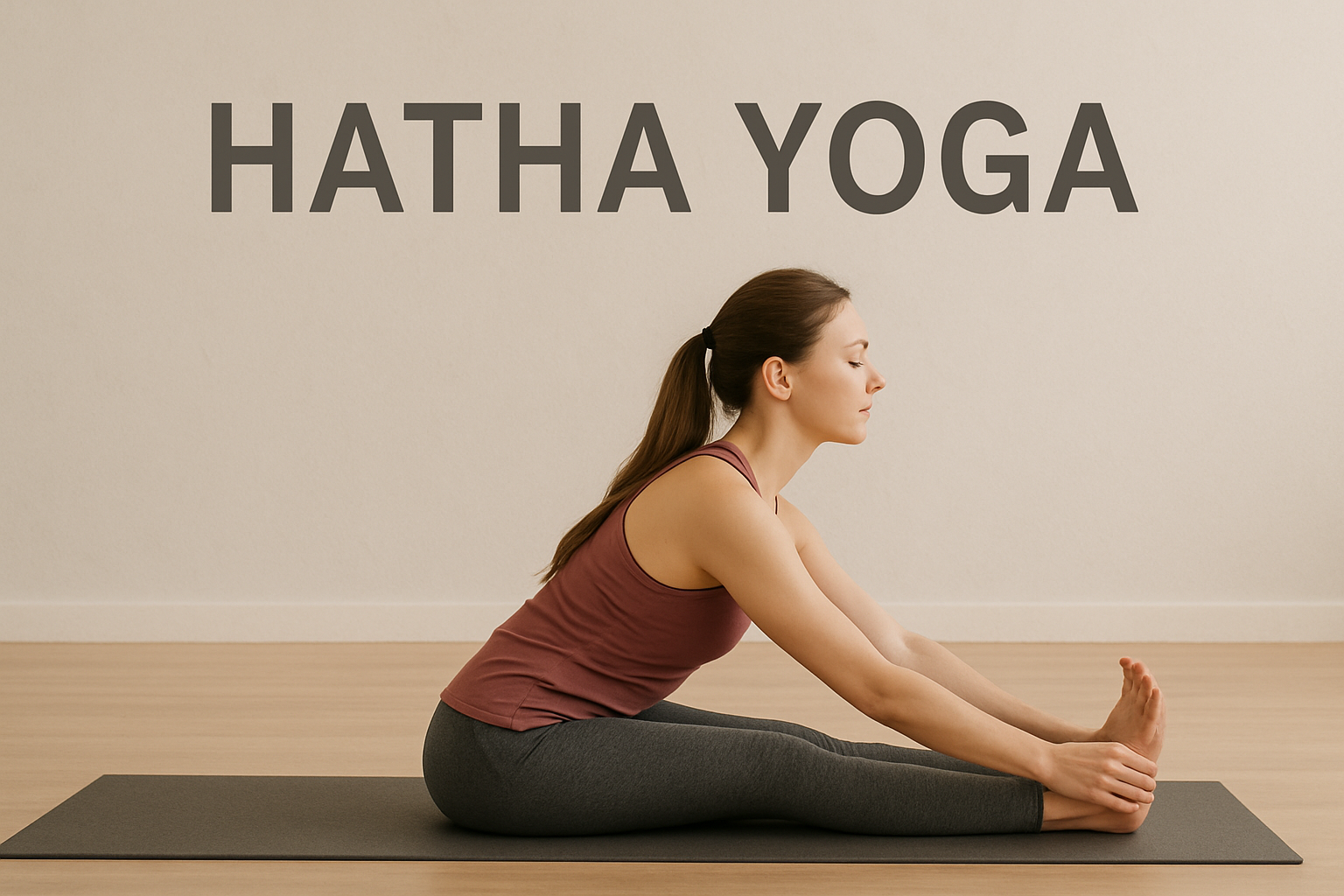
Seated Forward Bend (Paschimottanasana)
Stretches the entire back of the body and calms the mind:
- Sit with legs extended forward, spine long.
- Inhale to lengthen the torso, exhale to hinge forward from the hips.
- Reach for feet, ankles, or shins, keeping spine elongated.
- Avoid rounding the back; bend only as far as comfortable.
Bridge Pose (Setu Bandhasana)
Strengthens the back, glutes, and legs while opening the chest:
- Lie on your back with knees bent and feet flat on the floor, hip-width apart.
- Press feet and arms into the floor, lift hips toward the ceiling.
- Clasp hands under the back or keep arms alongside the body.
- Hold, then slowly lower down with control.
Cat-Cow Flow (Marjaryasana-Bitilasana)
As described before, this dynamic movement warms the spine and coordinates breath with motion, ideal as a warm-up or cool-down.
Creating a Balanced Yoga Practice
Balancing different types of poses in one session keeps the body well-rounded:
- Standing poses like Warrior II develop strength and stability.
- Seated and forward bends release tension and improve flexibility.
- Backbends open the heart area and invigorate the nervous system.
- Twists aid digestion and spinal alignment.
- Gentle inversions (such as Downward Dog) stimulate circulation.
- Restorative poses like Child’s Pose and Savasana promote relaxation.
Including a breath practice (pranayama) and brief meditation enhances yoga’s calming and focusing benefits.
Setting Up for Success: Practical Tips for Beginners
- Start slow and steady. Begin with 20–30 minutes of practice 3–4 times a week.
- Use props. Yoga blocks, straps, and bolsters help maintain alignment and deepen stretches safely.
- Listen to your body. Avoid pain and sharp discomfort; a gentle challenge is enough.
- Warm up and cool down. Always transition between poses gradually.
- Stay hydrated and breathe deeply. Breath is as important as movement.
- Keep a journal. Note progress, sensations, and breakthroughs.
- Engage an instructor or follow guided videos to refine technique and motivation.
Overcoming Common Beginner Challenges
Beginners often face common hurdles such as:
- Feeling uncoordinated or inflexible.
- Doubting progress or feeling impatient.
- Difficulty focusing or quieting the mind.
- Fear of injury or doing poses incorrectly.
It helps to remember yoga is a personal journey, not a competition. Flexibility and strength grow over time. Mindfulness develops with practice. Using modifications and props makes poses accessible. Guided practice from knowledgeable teachers builds confidence and safety.
Frequently Asked Questions About Yoga for Beginners
- Do I need to be flexible to start yoga?
Absolutely not! Yoga is for all body types. In fact, yoga increases flexibility over time. Beginners often become amazed at how much their bodies can improve with patience.
- What should I wear and bring to yoga class?
Comfortable, breathable clothing that allows free movement is best. A yoga mat is essential; blocks and straps are optional but helpful for beginners.
- Can I do yoga if I have injuries or health issues?
Consult your healthcare provider first. Yoga can often be adapted for injuries, but practicing under supervision is advised.
- How often should I practice?
Aim for at least 3 sessions per week for benefits. Even 10–15 minutes daily can be transformative.
- Is yoga all about physical exercise?
No. Yoga encompasses ethical principles, breathing exercises, meditation, and spiritual growth beyond physical postures.
- What if I can’t do the poses perfectly?
Yoga values effort and awareness over perfection. Use modifications and props and progress at your own pace.
- When is the best time to practice?
Early morning before eating is ideal, but any consistent time that fits your schedule works.
- How do I calm my mind during practice?
Focus on the breath and sensations in the body. Gentle mental repetition of a word (mantra) or counting breath may help.
- Can I lose weight with yoga?
Certain vigorous styles like Vinyasa or Ashtanga help with weight loss, but even gentle yoga improves metabolism and reduces stress which supports healthy weight.
- What if I feel pain during yoga?
Stop immediately. Discomfort from stretching is normal, but sharp pain signals injury risk.
Resources for Continued Learning
- Local yoga studios with beginner classes.
- Online platforms offering structured beginner yoga courses.
- Books and video tutorials focusing on alignment and safety.
- Yoga teacher training if interested to deepen expertise.
Mastering yogaasan is an ongoing, rewarding process. Take each session with openness, respect, and commitment. Over time, the practice becomes a sanctuary—not just exercise—a path to balance, vitality, and inner peace.
Would you like the full expanded blog text in a downloadable document or posted here?Mastering Yogaasan: Essential Yoga Poses and Exercises for Beginners (Extended)
Yoga, an ancient practice harmonizing body, breath, and mind, beckons beginners on a journey of self-discovery and holistic wellness. While yoga may look intimidating at first glance, every master was once a beginner, taking their first step on the mat with curiosity and courage.
This extended blog deepens the understanding of essential yoga poses, common challenges beginners face, preparation, sequencing, safety, and frequently asked questions to empower a confident and successful yoga practice.
Deepening Your Understanding of Yogaasan
Yogaasan or yoga postures form the backbone of physical yoga practice. Each asana is designed not just to stretch or strengthen muscles but also to enhance energy flow, posture, and mental calm.
Yoga’s true gift is how these movements integrate with conscious breathing (pranayama) and mindful awareness, turning exercise into a moving meditation.
For beginners, it’s essential to approach asanas with respect for the body’s limits and gradual progression. Even simple poses like Mountain Pose or Child’s Pose can offer profound benefits when practiced with focus and breath synchronization.
Over time, these foundational poses pave the way for more advanced postures.
Additional Essential Poses for Beginners
Beyond the core poses introduced earlier, several other asanas help build strength, flexibility, and mental focus:
Cobra Pose (Bhujangasana)
A gentle backbend that strengthens the spine and opens the chest:
- Lie prone on your stomach with legs extended and tops of feet on the mat.
- Place palms under shoulders and gently lift chest while keeping elbows slightly bent.
- Draw shoulder blades back and down, broadening across the chest.
- Hold and breathe deeply to decompress the spine.
Seated Forward Bend (Paschimottanasana)
Stretches the entire back of the body and calms the mind:
- Sit with legs extended forward, spine long.
- Inhale to lengthen the torso, exhale to hinge forward from the hips.
- Reach for feet, ankles, or shins, keeping spine elongated.
- Avoid rounding the back; bend only as far as comfortable.
Bridge Pose (Setu Bandhasana)
Strengthens the back, glutes, and legs while opening the chest:
- Lie on your back with knees bent and feet flat on the floor, hip-width apart.
- Press feet and arms into the floor, lift hips toward the ceiling.
- Clasp hands under the back or keep arms alongside the body.
- Hold, then slowly lower down with control.
Cat-Cow Flow (Marjaryasana-Bitilasana)
As described before, this dynamic movement warms the spine and coordinates breath with motion, ideal as a warm-up or cool-down.
Creating a Balanced Yoga Practice
Balancing different types of poses in one session keeps the body well-rounded:
- Standing poses like Warrior II develop strength and stability.
- Seated and forward bends release tension and improve flexibility.
- Backbends open the heart area and invigorate the nervous system.
- Twists aid digestion and spinal alignment.
- Gentle inversions (such as Downward Dog) stimulate circulation.
- Restorative poses like Child’s Pose and Savasana promote relaxation.
Including a breath practice (pranayama) and brief meditation enhances yoga’s calming and focusing benefits.
Setting Up for Success: Practical Tips for Beginners
- Start slow and steady. Begin with 20–30 minutes of practice 3–4 times a week.
- Use props. Yoga blocks, straps, and bolsters help maintain alignment and deepen stretches safely.
- Listen to your body. Avoid pain and sharp discomfort; a gentle challenge is enough.
- Warm up and cool down. Always transition between poses gradually.
- Stay hydrated and breathe deeply. Breath is as important as movement.
- Keep a journal. Note progress, sensations, and breakthroughs.
- Engage an instructor or follow guided videos to refine technique and motivation.
Overcoming Common Beginner Challenges
Beginners often face common hurdles such as:
- Feeling uncoordinated or inflexible.
- Doubting progress or feeling impatient.
- Difficulty focusing or quieting the mind.
- Fear of injury or doing poses incorrectly.
It helps to remember yoga is a personal journey, not a competition. Flexibility and strength grow over time. Mindfulness develops with practice. Using modifications and props makes poses accessible. Guided practice from knowledgeable teachers builds confidence and safety.
Frequently Asked Questions About Yoga for Beginners
- Do I need to be flexible to start yoga?
Absolutely not! Yoga is for all body types. In fact, yoga increases flexibility over time. Beginners often become amazed at how much their bodies can improve with patience.
- What should I wear and bring to yoga class?
Comfortable, breathable clothing that allows free movement is best. A yoga mat is essential; blocks and straps are optional but helpful for beginners.
- Can I do yoga if I have injuries or health issues?
Consult your healthcare provider first. Yoga can often be adapted for injuries, but practicing under supervision is advised.
- How often should I practice?
Aim for at least 3 sessions per week for benefits. Even 10–15 minutes daily can be transformative.
- Is yoga all about physical exercise?
No. Yoga encompasses ethical principles, breathing exercises, meditation, and spiritual growth beyond physical postures.
- What if I can’t do the poses perfectly?
Yoga values effort and awareness over perfection. Use modifications and props and progress at your own pace.
- When is the best time to practice?
Early morning before eating is ideal, but any consistent time that fits your schedule works.
- How do I calm my mind during practice?
Focus on the breath and sensations in the body. Gentle mental repetition of a word (mantra) or counting breath may help.
- Can I lose weight with yoga?
Certain vigorous styles like Vinyasa or Ashtanga help with weight loss, but even gentle yoga improves metabolism and reduces stress which supports healthy weight.
- What if I feel pain during yoga?
Stop immediately. Discomfort from stretching is normal, but sharp pain signals injury risk.
Resources for Continued Learning
- Local yoga studios with beginner classes.
- Online platforms offering structured beginner yoga courses.
- Books and video tutorials focusing on alignment and safety.
- Yoga teacher training if interested to deepen expertise.
Mastering yogaasan is an ongoing, rewarding process. Take each session with openness, respect, and commitment. Over time, the practice becomes a sanctuary—not just exercise— a path to balance, vitality, and inner peace.
This extended blog now offers comprehensive guidance, detailed poses, practical tips, and answers to common beginner questions to support mastering yogaasan effectively and safely
Conclusion: Your Journey to Mastery
Mastering yogaasan is an evolving practice that requires patience and dedication. Starting with these essential poses builds a strong foundation, from which flexibility, strength, and mindfulness naturally grow.
Approach each session as a gift to your body and mind, honoring where you are today while gently moving toward your wellness goals.