In today’s health-conscious and spiritually inquisitive world, yoga continues to evolve, merge, and adapt across generations and disciplines. Among its most intriguing hybrids is Barre Yoga—a contemporary fusion of classical yoga, ballet-inspired movement, and mindful strength training. Beneath its graceful surface lies a deeper invitation: to unite classical yogic wisdom with modern embodiment practices designed to strengthen, balance, and awaken both mind and body.
In this expansive exploration, we bridge Swami Sivananda’s timeless yoga philosophy with the modern-day precision and poise of Barre Yoga—unveiling how this integration fosters radiant health, mental resilience, and spiritual equilibrium. It’s a study of contrast and complement: where stabilizing the core meets stilling the mind, and where pliés echo pranayama.
The Meeting of Two Worlds: Tradition and Innovation
Swami Sivananda (1887–1963), one of the most revered spiritual teachers of the 20th century, revolutionized how yoga was taught and lived. His teachings emphasized simple living and high thinking, compassion, self-discipline, and service. Swami SivanandaHe propagated Integral Yoga, a complete spiritual system that harmonizes body, mind, intellect, and spirit through disciplined practice and moral living.
Barre Yoga, in contrast, was born in the mid-20th century from the creative fusion of ballet technique, Pilates, and yoga-inspired movement. Developed originally as a way for dancers to recover from injury, it now empowers practitioners worldwide to sculpt strength, balance elegance with endurance, and awaken mindful awareness through dynamic, low-impact workouts. Swami Sivananda
Merging these two streams—Swami Sivananda’s yoga and modern Barre Yoga—creates an intriguing interplay between spiritual intentionality and physical artistry. One emphasizes inward expansion and consciousness, while the other refines outward expression and bodily control. Together, they lead to a holistic, embodied enlightenment. Swami Sivananda
Swami Sivananda’s Vision: Harmony from the Core of Consciousness
Swami Sivananda’s yoga system was grounded in six foundational principles:
- Proper Exercise (Asana) – to strengthen and harmonize the physical body.
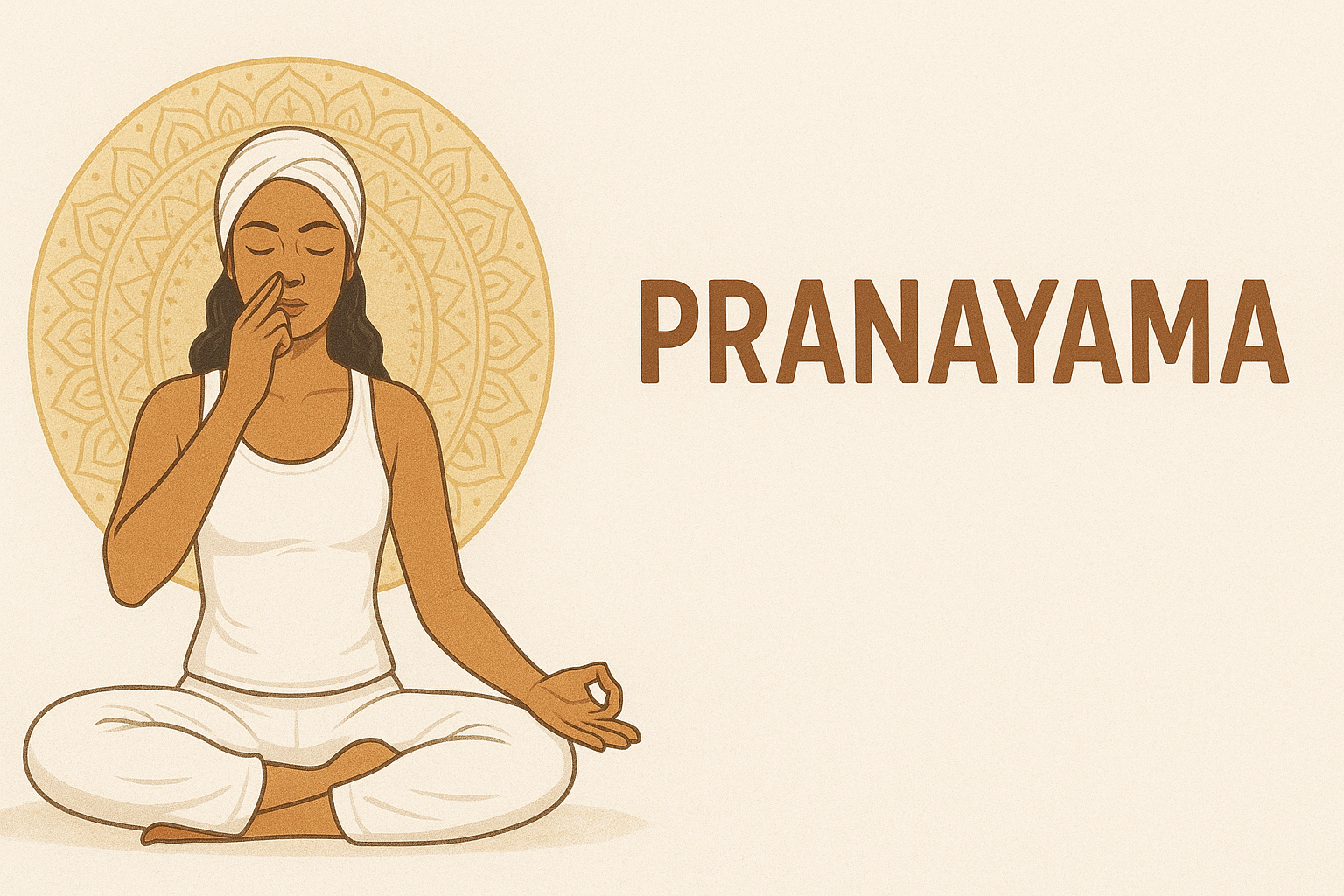
- Proper Breathing (Pranayama) – to regulate the life force (prana) and calm the mind.
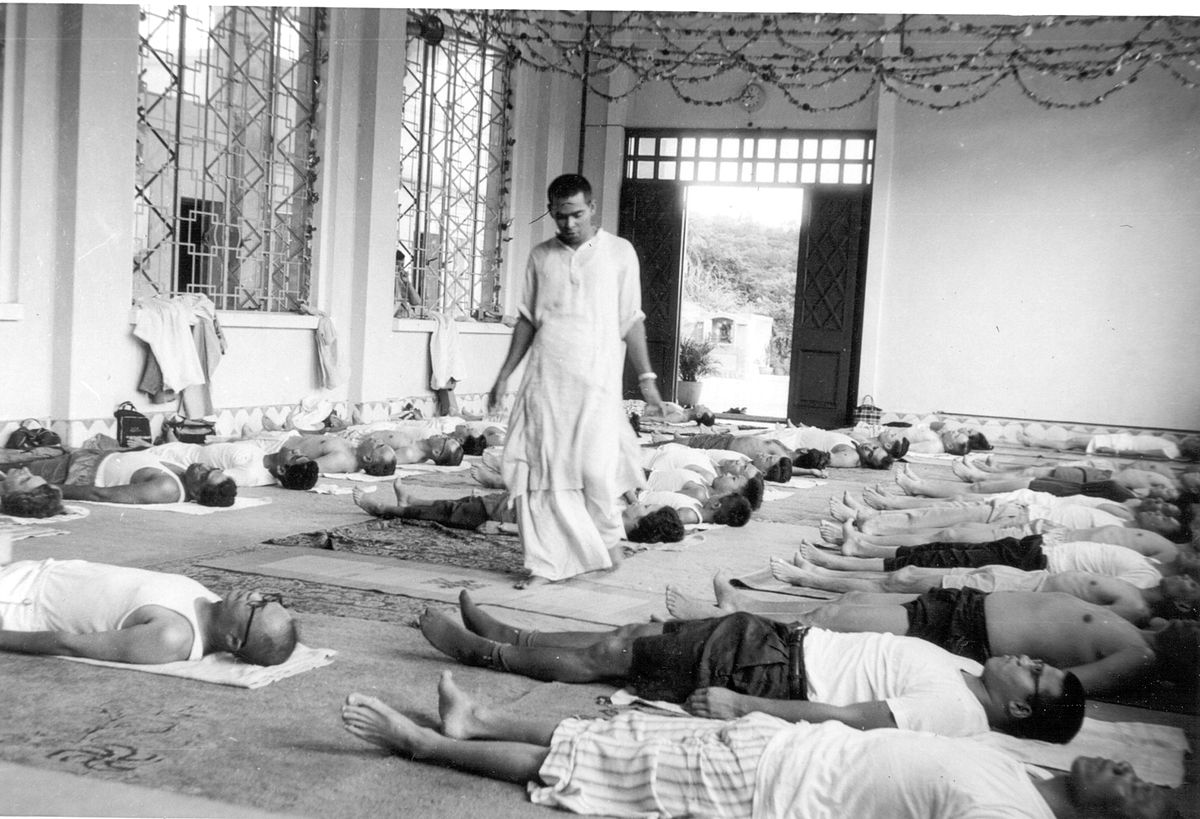
- Proper Relaxation (Savasana) – to rejuvenate the nervous system and reduce tension.
- Proper Diet (Sattvic diet) – to nourish body and spirit through pure and balanced food.
- Positive Thinking and Meditation (Vedanta and Dhyana) – to cultivate peace, clarity, and self-realization.
Each of these Swami Sivananda connects directly to the modern philosophy behind Barre Yoga, albeit in new language and context. Barre practitioners talk of posture alignment, mindful breathing, active recovery, clean nutrition, and mental resilience—parallels that echo the timeless Sivananda model.
While Sivananda Yoga anchors one in spiritual awareness and inner transformation, Barre Yoga emphasizes strength, stability, and grace under effort. When the two align, the result is profound: a synthesis where self-discipline transforms into self-liberation.
The Barre-Yoga Bridge: The Body as a Temple
The crossover between Swami Sivananda’s teachings and the aesthetic precision of barre lies in the embodiment philosophy—the body as a sacred tool for self-transcendence.
Swami Sivananda taught that “health is wealth, peace of mind is happiness, and yoga shows the way.” His approach did not idolize the body for vanity’s sake but rather respected it as the vessel through which divine consciousness expresses.Swami Sivananda Similarly, in barre, every plié, tuck, and pulse refines physical awareness—not to chase perfection but to awaken kinesthetic intelligence—an enlightened intimacy with one’s physical being.
Barre movements—for instance, micro-pulses that target small muscle groups—mirror yogic isometric control, such as when holding Virabhadrasana II (Warrior Pose) or Ardha Navasana (Half Boat Pose). These movements generate subtle heat, purify the system, and train the mind to stay calm under challenge—a direct embodiment of Sivananda’s dictum of steadiness in effort and serenity in awareness.
Asanas and Alignment: Ballet Precision Meets Yogic Stillness
Swami Sivananda categorized yogasanas as “a steady, comfortable posture that leads to meditation.” This definition perfectly resonates with the precision Barre Yoga demands—each movement deliberate, each posture intentional.
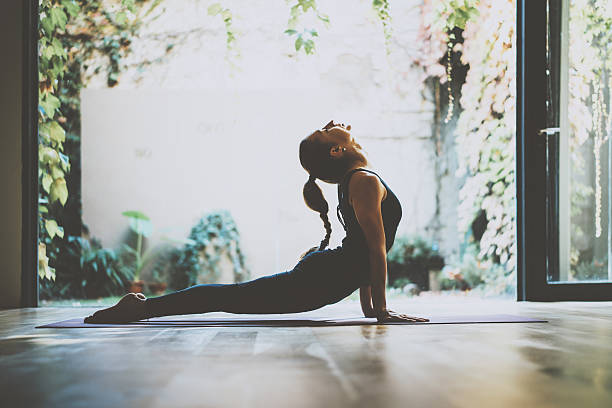
Barre incorporates yoga’s alignment wisdom to prevent injury and enhance efficiency. Classical ballet posture encourages length through the spine, external rotation of the hips, and a precise core engagement—elements already emphasized in yoga poses like Tadasana (Mountain Pose) and Vrksasana (Tree Pose)Swami Sivananda.
Common Ground Between Yoga and Barre Alignment:
- Neutral Spine Awareness: Both Sivananda Yoga and barre emphasize spinal neutrality—engaging deep abdominal muscles to maintain postural integrity.
- Micro Movements, Macro Awareness: The controlled, often static holds in both practices train endurance and awareness of small muscle activation.
- Balance of Strength and Flexibility: Yoga uses stretching to open; barre uses strength to stabilize. When combined, they create dynamic stability.
- Energy Flow: In yoga, prana moves through nadis (energy channels); in barre, “flow” refers to continuous movement. Both sustain inner rhythm.
Swami Sivananda would likely see barre’s discipline as an evolved form of Hatha Yoga—where asana becomes not only a physical art but a meditation in motion.
The Power of Breath: Pranayama in Barre Flow
Without conscious breath, Barre Yoga is simply exercise. But guided by the yogic science of pranayama, it becomes transformational.
Sivananda emphasized controlled, rhythmic breathing as the gateway to higher consciousness. He taught that by mastering the breath, one masters the mind. In barre, breath timing directs fuel and focus—inhale to lengthen, exhale to deepen, and sustain muscles through micro-burns.
When applied intentionally, Ujjayi breathing or gentle Nadi Shodhana (alternate nostril breath) can optimize oxygen flow, soothe anxiety, and extend endurance. Swami Sivananda The breath acts as a metronome of mindfulness, keeping the practitioner rooted amid physical intensity. In this breath-body harmony, the barre practitioner steps into Sivananda’s central teaching: “Be calm in heat and steady in storm.”
The Art of Relaxation: Balancing Push with Peace
Swami Sivananda’s yoga placed deep emphasis on Savasana—the art of conscious relaxation. He believed that rest was not mere inactivity but an essential phase of integration.
Modern fitness often overlooks recovery in the pursuit of performance. Yet Barre Yoga, when infused with Sivananda’s wisdom, celebrates balance between effort and ease—sthira and sukha. After a demanding sequence, guided relaxation restores hormonal equilibrium, cools the nervous system, and integrates subtle energy flow.
This recovery mirrors yogic philosophy: contraction (tension) precedes release (liberation). Just as day dissolves into night, so must every barre exertion dissolve into stillness. The paradox of mastery lies here—strength finds its wholeness through surrender.
The Sattvic Lifestyle: Fueling the Body, Purifying the Mind
Sivananda advocated a sattvic diet—pure, fresh, plant-based foods that cultivate clarity, compassion, and balance. The goal was not restriction but elevated vibration. In barre culture, too, nutrition has moved toward intuitive eating—favoring clean, sustainable meals that energize rather than exhaust.
A sattvic-inspired diet supports sustained energy for barre practice. Foods rich in prana—fresh fruits, vegetables, nuts, seeds, herbal teas—nurture both vitality and tranquility. The modern practitioner who adopts Sivananda’s dietary mindfulness discovers that nutrition can be a subtle form of meditation, aligning body chemistry with mental serenity Swami Sivananda.
Positive Thinking and Meditation: The Mind-Muscle Connection
Swami Sivananda taught that “thought is a vital power” and that the quality of thoughts determines the quality of life. In Barre Yoga, the mind-muscle connection is not merely physical concentration—it is a meditative dialogue between consciousness and movement.
Each movement becomes a mantra of mindfulness. When fatigue arises, positive affirmation replaces doubt. The act of lifting the leg, holding the barre, or maintaining balance turns into a metaphor for mental poise amidst worldly turbulence. Barre thus becomes a moving meditation, guided by awareness and fueled by inner stillness.
Meditation, in this hybrid approach, may follow as stillness after movement—sitting quietly as energy settles. This bridges Sivananda’s Jnana Yoga (self-inquiry) with dynamic embodiment: realizing, through sweat and silence, that the true Self is unshaken by outer exertion.
The Spiritual Dimension: Grace as a Physical Expression
Sivananda emphasized that yoga is ultimately divine communion—the merging of the individual self with cosmic consciousness. While barre may appear purely aesthetic, when integrated with yogic awareness, movement transcends form and becomes a prayer of motion.
Grace in barre arises not from outward beauty but from inner alignment—when intention, breath, and movement unite seamlessly. The barre transforms into a symbol of sthira—steadiness in truth—and the movement becomes a flowing offering of devotion (bhakti) Swami Sivananda.
This synthesis echoes how Swami Sivananda encouraged modern seekers to live “divine life in daily life.” Barre, thus, is no longer just fitness but living art infused with spiritual purpose.
The Five Paths of Sivananda Yoga and Barre Parallels
| Path (Sivananda) | Focus | Barre Parallel | Outcome |
|---|---|---|---|
| Karma Yoga | Selfless service and action without attachment | Teaching or sharing barre to inspire community | Cultivates humility and service consciousness |
| Bhakti Yoga | Devotion and surrender | Movement as emotional expression | Fosters love, gratitude, and unity |
| Raja Yoga | Mastery of mind through meditation | Focus and discipline during practice | Strengthens willpower and concentration |
| Jnana Yoga | Self-inquiry and wisdom | Awareness of limits and transformation | Deepens self-knowledge through the body |
| Hatha Yoga | Physical purification and balance | Barre movements and asanas | Builds strength, purification, and vitality |
In essence, barre mirrors Sivananda’s integral yoga—practical, multidimensional, and aimed at holistic harmony.
The Empowering Challenge: Inner Fire and Outer Grace
What makes this fusion empowering yet challenging is its dual demand—to exert and to transcend simultaneously. Barre’s micro-movements challenge endurance, while yogic awareness challenges ego-identification Swami Sivananda.
- Empowering: The practitioner gains strength, endurance, and emotional resilience. Muscles firm, posture improves, and confidence deepens.
- Challenging: The same intensity triggers internal confrontation—fatigue, frustration, impatience—requiring mindfulness to navigate with equanimity.
Sivananda’s teaching of Tapas (austerity) perfectly frames this. True transformation demands discipline that burns impurities and awakens latent power (kundalini shakti). Barre’s tremble, when approached consciously, becomes not pain but purification—a physical manifestation of yogic tapasya Swami Sivananda.
Energy Flow and Chakras in Barre-Yoga Synergy
Barre Yoga’s intricate sequences open and strengthen multiple energy channels. When aligned with yogic chakra theory, the fusion becomes a powerful energy-balancing sadhana (spiritual practice).
- Muladhara (Root Chakra): Grounding through feet placement in pliés and chair poses; builds stability and confidence.
- Svadhisthana (Sacral Chakra): Pulsing hip movements stimulate creativity and emotional release.
- Manipura (Solar Plexus): Core engagement during barre sequences awakens willpower and determination.
- Anahata (Heart Chakra): Upright posture and open arm positions encourage love, compassion, and breath expansion.
- Vishuddha (Throat Chakra): Deep rhythmic breathing refines expression and communication.
- Ajna (Third Eye): Mindful focus improves concentration and intuition.
- Sahasrara (Crown Chakra): Post-practice meditation connects with higher consciousness, fulfilling Sivananda’s vision of self-realization.
Thus, barre ceases to be mere fitness—it becomes tantric in essence, channeling prana through alignment, repetition, and awareness.
Bridging Tradition and Science: Neuromuscular Intelligence
Swami Sivananda often spoke of yoga as a science of self-mastery. Today, neuroscience and kinesiology affirm his foresight. Modern research reveals that mindful movement enhances neural plasticity, emotional regulation, and stress resilience.
Barre trains neuromuscular coordination, mirroring yoga’s focus on conscious control. Tiny stabilization muscles—glutes medius, pelvic floor, deep core—activate through minimal movement ranges. These refine proprioception (body awareness), echoing yogic dharana (concentration). Over time, the nervous system operates more efficiently, and inner tranquility becomes habitual.
Thus, Sivananda’s ancient call for mindful mastery merges beautifully with barre’s scientific precision—a marriage of ancient wisdom and modern biomechanics.
Integrating Practices: A Sample Barre-Yoga Flow Inspired by Sivananda
To experience this synergy, practitioners can blend the structural flow of Sivananda’s classic 12 asanas with barre’s muscle-sculpting techniques.
Example Sequence:
- Tadasana (Mountain Pose) with mindful grounding—establish breath and posture.
- Chair Pose pulses at the barre—engage thighs and core while maintaining even breath.
- Warrior II with barre hold—build endurance, focusing on drishti (gaze).
- Arabesque lifts with yogic awareness—extend the leg gracefully without tension.
- Plank pulses integrated with controlled exhalation—strengthen arms and solar center.
- Bridge lifts combined with pelvic tilts—stimulate root and sacral chakras.
- Transition into Seated Forward Bend (Paschimottanasana)—surrender effort into release.
- Close with Savasana and silent reflection—embody integration.
This hybrid flow captures effort balancing awareness, Sivananda’s essence in motion.
Emotional Alchemy: Turning Effort into Empathy
Swami Sivananda taught that the true test of yoga lies not in physical flexibility but in kindness, calmness, and devotion. Barre Yoga, when practiced consciously, becomes a laboratory for emotional alchemy.
Physical challenge unveils repressed patterns—self-criticism, impatience, doubt. Through Sivananda’s lens of non-attachment (vairagya) and self-acceptance, these experiences become opportunities for compassion. Eventually, the discipline of barre evolves into bhakti in movement—a devotional offering to the divine within.
This emotional intelligence cultivated on the mat or barre naturally extends into relationships, work, and community life—exactly as Sivananda envisioned: “Serve, love, give, purify, meditate, realize.”
The Feminine Archetype of Strength and Grace
Barre Yoga’s aesthetic—fluid, poised, expressive—often resonates with the Shakti principle, the divine feminine energy of creation and power. Swami Sivananda revered Shakti as the inner power of consciousness, manifesting through movement, intuition, and nurturing.
By integrating Sivananda’s spiritual reverence with barre’s embodied artistry, practitioners awaken the divine feminine within men and women alike—balancing masculine discipline (control) with feminine flow (intuition). The result is a harmonized self—strong yet soft, firm yet flexible, rational yet radiant.
Practical Integration: How to Bring Sivananda Wisdom into Barre Practice
- Intention Setting: Begin each practice by invoking peace (Shanti Mantra or silent affirmation).
- Mindful Transitions: Move consciously between barre exercises; avoid jerky shifts.
- Breathe Through Resistance: Apply pranayama principles during high-intensity holds.
- Balance Practice and Rest: Alternate strong sessions with restorative yoga or Yoga Nidra.
- Sattvic Lifestyle Choices: Support your physical routine through clean nutrition and pure thoughts.
- Self-Reflection Journal: After each class, reflect on emotional and energetic shifts.
Infusing Sivananda’s ethics—truth (Satya), non-violence (Ahimsa), purity (Saucha)—into modern barre transforms casual workouts into a spiritual discipline of self-evolution.
Community and Service: Karma Yoga in Barre Studios
In the spirit of Karma Yoga, Swami Sivananda encouraged service as the highest form of yoga. Today’s barre community, often socially conscious and collaborative, can integrate this ethos through outreach—offering free classes, sharing mindfulness in schools, or organizing wellness drives.
This turns a fitness studio into a mandir (temple) of wellbeing, where body, spirit, and society uplift each other. Barre teachers inspired by Sivananda’s path don’t just sculpt bodies—they shape consciousness.
Challenges of the Integration: Misinterpretation and Mindful Balance
Merging tradition and trend requires discernment. Without inner awareness, barre can drift into aesthetic obsession; without physical engagement, yoga risks becoming abstract philosophy.
Swami Sivananda warned against both extremes—fanatic asceticism and sensual indulgence. His middle path—moderation and mindfulness—guides the modern practitioner to practice with detachment, purpose, and love.
Thus, Barre Yoga inspired by Sivananda becomes not a hybrid for novelty’s sake but a bridge of evolution, carrying humanity from mechanical fitness toward mindful embodiment.
The Empowering Yet Challenging Journey: Awakening the Integrated Self
To walk this integrated path is to embark on a journey of self-harmonization. It demands surrender as much as sweat, awareness as much as athleticism. The barre becomes both altar and axis, posture both prayer and proof.
The empowerment arises from tangible transformation—tone, stability, energy. The challenge, however, is subtler: sustaining inner serenity amid external effort. Yet it is within this very tension that Sivananda’s teaching blooms—when the soul learns to dance between dualities, anchored in divine balance.
This is the essence of mind-body harmony:
- The body expresses devotion through disciplined movement.
- The breath carries awareness through motion.
- The mind learns silence amidst music.
And in that silence, Sivananda’s timeless voice seems to whisper: “Adapt, adjust, accommodate—but never forget the Self.”
Epilogue: Living the Fusion Beyond the Mat
Embodied wisdom means letting practice seep into daily life. Standing at a crosswalk, you recall Tadasana’s spine. Answering a stressful email, you draw on pranayama. Living ethically, you embody karma yoga. Smiling at a stranger, you express bhakti through presence.
Sivananda’s vision was always inclusive, modern, and universal. Barre Yoga, in its evolution, honors that inclusivity—an art accessible to all ages, shapes, and spirits. Both pathways celebrate one truth: Yoga is not escape from the world, but illumination within it.
When classical yogic consciousness merges with modern movement artistry, the practitioner becomes both dancer and meditator, both seeker and sculptor—living proof that ancient wisdom still breathes and transforms through modern grace.
This integration offers not just a workout but a way of being—disciplined, aware, radiant, and compassionate.
A journey both empowering and challenging—yet infinitely worth the pursuit.