Introduction: Embracing the Power of Surya Namaskar
Surya Namaskar, or Sun Salutation, is far more than just a physical exercise. It’s a holistic practice that integrates body, mind, and spirit through a rhythmic series of poses that pay homage to the life-giving energy of the sun. This ancient sequence of twelve powerful yoga postures stretches and strengthens the entire body, energizes your system, balances your mind, and fosters gratitude through the gesture of Namaste.
The phrase “Transform Your Life” is not an exaggeration because consistent practice of Surya Namaskar brings remarkable improvements—from better flexibility and stamina to emotional balance and spiritual growth. However, to reap these benefits fully, it’s vital to understand the art deeply and avoid some common pitfalls practitioners often fall into.
This blog dives into the significance of Surya Namaskar, guides you through the correct execution of the poses, highlights transformative life benefits, and reveals the crucial mistakes people often make, impacting their progress and safety.

The Spiritual and Historical Roots of Surya Namaskar
Surya Namaskar is rooted in the rich tapestry of Indian culture and spiritual tradition. Traditionally performed at sunrise, this practice is dedicated to the Sun God (Surya), symbolizing vitality, strength, and life energy. The twelve-step sequence reflects the sun’s path and cycles, embodying cosmic rhythms.
The greeting “Namaste” means “I bow to the divine in you.” At the conclusion of Surya Namaskar, folding hands in Namaste not only shows respect and gratitude but also helps bring the practitioner’s mind into a calm, meditative awareness. This spiritual dimension transforms exercise into a moving meditation and a ritual that connects one with universal energy.
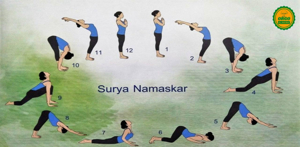
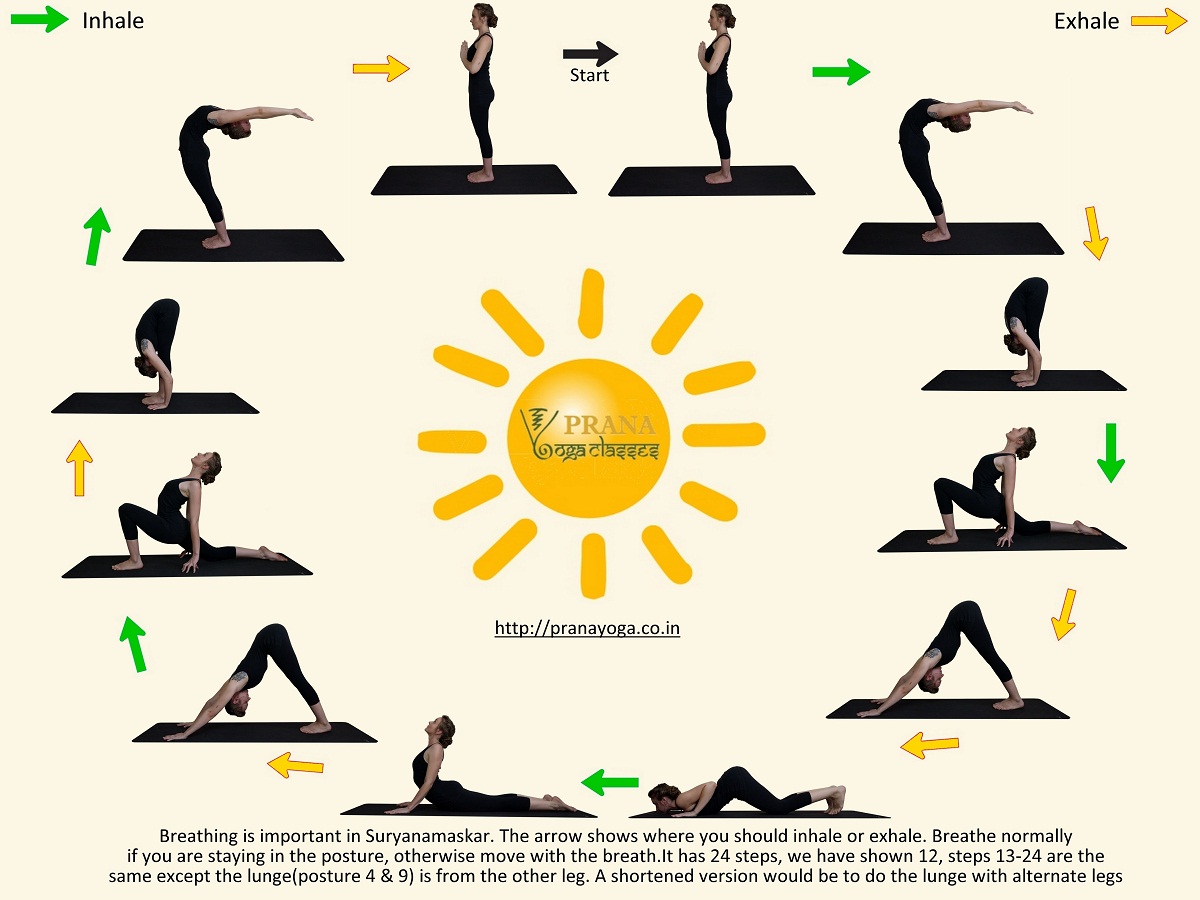
How Surya Namaskar Works: The Sequence Breakdown
Surya Namaskar consists of 12 postures performed in a flowing sequence. Each movement coordinates with breath, enhancing lung capacity, improving cardiovascular function, and stimulating the endocrine system.
The Twelve Postures:
- Pranamasana (Prayer Pose)
Start standing with feet together, palms pressed together in front of the chest. - Hastauttanasana (Raised Arms Pose)
Inhale, raise arms and arch back gently. - Hasta Padasana (Hand to Foot Pose)
Exhale, bend forward to touch toes with hands. - Ashwa Sanchalanasana (Equestrian Pose)
Inhale, step one leg back and bend the front knee, stretching the spine. - Dandasana (Stick Pose)
Hold breath, step back to plank position, keep body straight. - Ashtanga Namaskara (Eight-Limbed Pose)
Exhale, lower knees, chest, and chin to the floor with eight body parts touching. - Bhujangasana (Cobra Pose)
Inhale, lift chest up while keeping hips on the floor. - Adho Mukha Svanasana (Downward Dog Pose)
Exhale, lift hips up forming an inverted V. - Ashwa Sanchalanasana (Equestrian Pose)
Inhale, bring the foot between hands. - Hasta Padasana (Hand to Foot Pose)
Exhale, straighten body over legs. - Hastauttanasana (Raised Arms Pose)
Inhale, stretch arms up and back. - Pranamasana (Prayer Pose)
Exhale, return to original standing posture with palms together.
Each step flows with breath and is repeated on the other side for balance.
Holistic Benefits of Daily Surya Namaskar
Practicing Surya Namaskar daily has a profound impact on physical, mental, and emotional well-being:
- Physical Fitness: Improves flexibility, muscle tone, and strength. It enhances posture and spinal alignment, reducing back problems.
- Weight Management: The dynamic movements energize metabolism and aid weight loss.
- Cardiovascular Health: Boosts heart rate and circulation, promoting a healthy heart.
- Mental Clarity: The breath coordination and focused movements reduce stress and anxiety.
- Detoxification: Stimulates internal organs and lymphatic system to help eliminate toxins.
- Hormonal Balance: Activates the thyroid and endocrine glands.
- Energy and Vitality: The sun salutation energizes the body by activating the solar plexus chakra.
- Spiritual Awareness: Incorporating Namaste fosters mindfulness, gratitude, and inner peace.
Common Mistakes to Avoid in Surya Namaskar
Despite seeming straightforward, many practitioners unknowingly commit mistakes that can limit benefits or cause injury.
Mistake 1: Rushing Through the Sequence
Surya Namaskar is a mindful practice of movement and breath. Rushing to finish sets quickly reduces breath control, weakens muscle engagement, and increases injury risk.
Correct Approach: Slow down, synchronize breath and movement, and feel each posture fully.
Mistake 2: Poor Alignment and Form
Skipping alignment guidelines causes strain on the lower back, wrists, knees, and neck.
Tips for Correct Form:
- Keep the spine elongated and neutral, avoid collapsing forward or arching excessively.
- Distribute body weight evenly on hands and feet to avoid wrist pain.
- Bend knees as necessary to protect the back during forward folds.
- Keep neck aligned with the spine; avoid straining.
Mistake 3: Holding Breath Too Long or Irregular Breathing
Breath holds can increase tension and reduce oxygen supply.
Breathing Rule: Inhale on upward or expansive movements, exhale on downward or contracting movements.
Mistake 4: Skipping Warm-up or Overdoing Sets
Jumping directly into Surya Namaskar without warm-up or overdoing many rounds can cause muscle fatigue or injury, especially for beginners.
Best Practice: Start with 3 to 5 rounds, gradually increasing as strength and flexibility improve. Warm-up with neck rolls, gentle stretches beforehand.
Mistake 5: Ignoring Pain Signals
Discomfort from mild stretching is normal; sharp pain is not.
Reminder: Modify poses if any joint or muscle pain occurs, and consult a yoga instructor for guidance.
Practical Tips to Integrate Surya Namaskar Into Your Daily Life
- Optimal Time: Early morning at sunrise is ideal to soak the calming and energizing effects of nature.
- Consistency: Commit to practicing daily or at least 5 days a week for visible transformation.
- Environment: Practice in a quiet, clean space with minimal distractions.
- Clothing: Wear comfortable, flexible clothing that allows free movement.
- Hydration and Nutrition: Practice on an empty stomach or at least two hours after a light meal.
- Self-awareness: Maintain a gentle focus, and bring awareness to mind and body connection.
The Science Behind Surya Namaskar: How It Impacts Your Body
Surya Namaskar is an integrated exercise that stimulates multiple physiological systems. Understanding this science can motivate consistent practice.
Cardiovascular System
The rhythmic flow of Surya Namaskar raises your heart rate, improving cardiovascular endurance without high impact. As you transition through postures with your breath, your heart pumps oxygenated blood more efficiently, strengthening the heart muscle and reducing risks of heart disease.
Respiratory System
Coordinated breathing expands your lung capacity and trains respiratory muscles. Surya Namaskar encourages deep inhalation and exhalation, improving oxygen exchange and helping clear the airways, which is vital for those with sedentary habits or mild respiratory issues.
Musculoskeletal System
Each posture stretches and demands contraction from different muscle groups, improving flexibility, joint mobility, and strength:
- Spinal flexibility is enhanced by forward bends and back arches.
- The core stabilizes during plank-like postures.
- Leg muscles are strengthened during lunging moves.
- Arm and wrist strength build due to weight-bearing on hands.
This balanced development prevents common musculoskeletal disorders like chronic back pain, osteoporosis, and stiffness.
Nervous System
Practicing Surya Namaskar activates the parasympathetic nervous system (the “rest and digest” mode), reducing stress hormones like cortisol and soothing anxiety. The meditative quality through breath awareness enhances focus and emotional resilience.
Endocrine System
The coordinated body opening and closing stimulates various glands:
- Thyroid and parathyroid glands regulate metabolism.
- The adrenal glands modulate stress response.
- The pancreas influences insulin secretion.
- Gonads affect reproductive hormones.
Regular practice promotes a balanced endocrine function, impacting mood, energy, and overall health.
Surya Namaskar and Weight Management: A Holistic Approach
For many, weight loss is a primary motivator to start yoga. Surya Namaskar works effectively as part of a holistic weight management plan:
- Increased Metabolism: The sequence’s repeated dynamic movements revive sluggish metabolism.
- Improved Digestion: Gentle compression of the abdomen massages digestive organs, optimizing digestion and nutrient absorption.
- Reduced Stress Eating: The meditative aspect reduces emotional eating triggered by stress.
- Enhanced Muscle Tone: Fat burning is aided by increased muscle mass and better circulation.
For sustainable results, combine Surya Namaskar with mindful eating and a balanced diet.
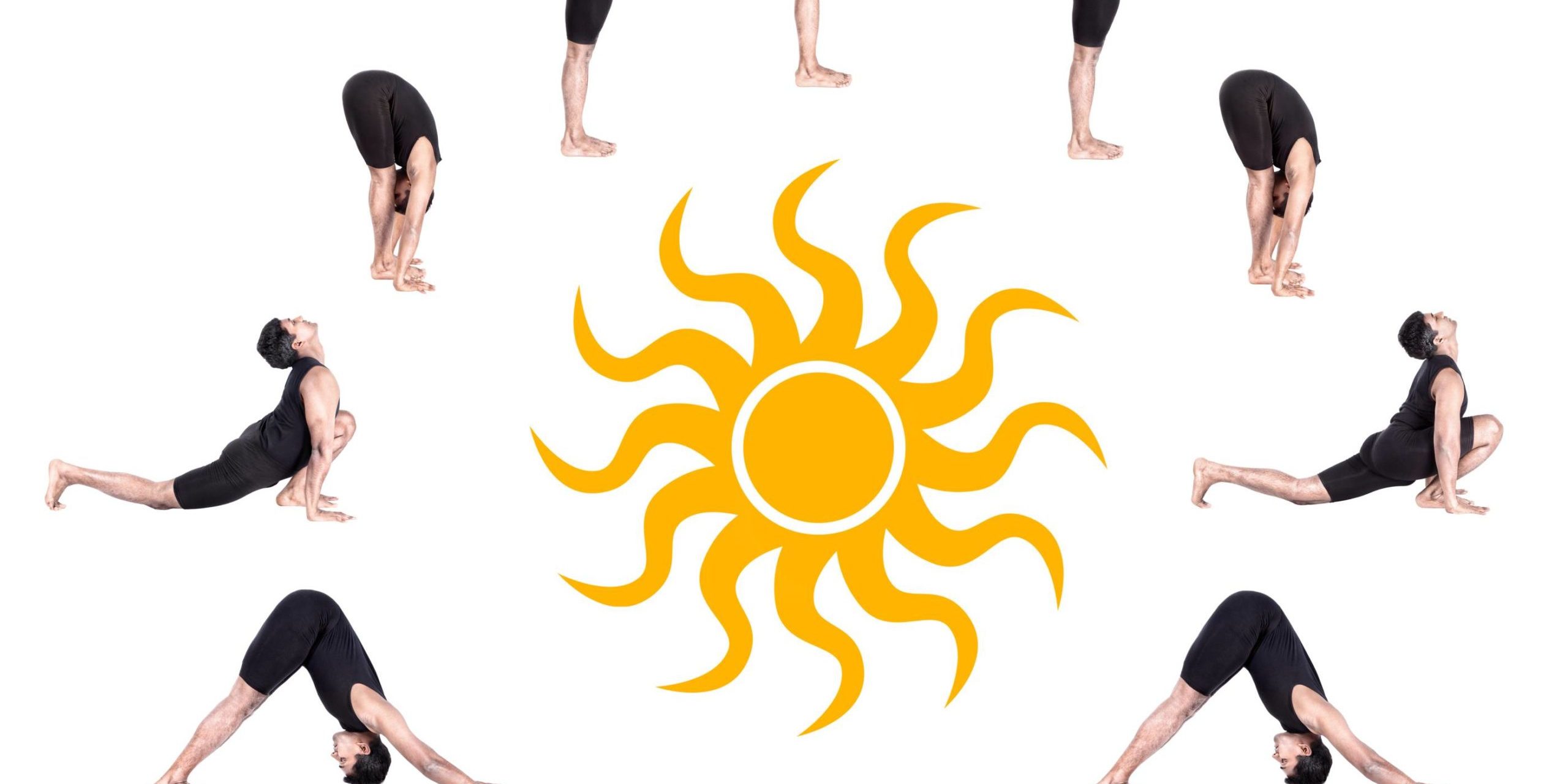
The Spiritual Dimension of Surya Namaskar: More Than Just Exercise
Surya Namaskar connects the practitioner to the cosmic rhythm of sunrise and sunset, symbolizing the cycle of life and death, awakening and rest.
- Chakra Activation: Each posture corresponds to an activation of certain chakras (energy centers), especially the solar plexus chakra, which governs personal power and self-esteem.
- Mindfulness Practice: The breath-synchronized movements are a form of moving meditation, enhancing presence and fostering inner peace.
- Gratitude and Humility: Ending with Namaste cultivates a sense of respect towards self and others, reducing ego and encouraging compassion.
This spiritual integration differentiates Surya Namaskar from a mere physical workout and invites transformative life experiences.
Detailed Instructions and Modifications for Each Posture
Understanding precise alignment and modifications can prevent injuries and deepen the experience.
1. Pranamasana (Prayer Pose)
- Stand tall, feet together.
- Palms pressed against the chest softly.
- Lengthen spine upward.
- Relax shoulders, gaze forward.
Modification: Use a wall for support if balance is an issue.
2. Hastauttanasana (Raised Arms Pose)
- Inhale, raise arms overhead.
- Arch back gently without compressing the lower spine.
- Look toward thumbs.
Modification: Keep elbows slightly bent if shoulders are tight.
3. Hasta Padasana (Hand to Foot Pose)
- Exhale, bend forward from the hips.
- Let hands reach the floor or toes.
- Keep knees slightly bent if hamstrings are tight.
- Keep the neck relaxed.
Modification: Use blocks under hands.
4. Ashwa Sanchalanasana (Equestrian Pose)
- Inhale, step right leg back.
- Left knee bent directly over the ankle.
- Chest lifted, gaze forward.
Modification: Drop the back knee to the floor for stability.
5. Dandasana (Stick Pose)
- Step the left foot back to meet the right.
- Body forms a straight line.
- Engage core, don’t let hips sag.
Modification: Keep knees on floor for beginners.
6. Ashtanga Namaskara (Eight-Limbed Pose)
- Exhale, lower knees, chest, chin to the floor.
- Eight points touch (feet, knees, hands, chest, chin).
- Avoid collapsing chest; keep elbows bent.
Modification: Skip if wrist or knee issues exist; substitute with Cobra Pose directly.
7. Bhujangasana (Cobra Pose)
- Inhale, lift chest up.
- Use back muscles, not hands only.
- Keep elbows slightly bent, shoulders relaxed.
Modification: Lower chest for less back compression.
8. Adho Mukha Svanasana (Downward Dog)
- Exhale, lift hips up and back.
- Hands shoulder-width, feet hip-width apart.
- Tailbone points up.
- Keep heels aiming toward the floor.
Modification: Bend knees if hamstrings are tight.
9. Ashwa Sanchalanasana (Equestrian Pose)
- Return right leg forward, left leg back.
- Repeat as posture 4 on opposite side.
10. Hasta Padasana (Hand to Foot Pose)
- Exhale, fold forward with legs straight.
- Repeat posture 3.
11. Hastauttanasana (Raised Arms Pose)
- Inhale, lift arms overhead.
- Repeat posture 2.
12. Pranamasana (Prayer Pose)
- Exhale, return to starting position.
- Palms in Namaste.
Common Mistakes Explored with Practical Solutions
Expanding on earlier points, here are specific mistakes with solutions:
| Mistake | Effect | How to Fix It |
|---|---|---|
| Skipping breath synchronization | Reduced oxygen, muscle tension | Practice breath with movement slowly |
| Overextending the back or neck | Strain and injury risk | Keep spine neutral; avoid forced arching or forward bending |
| Locking the knees | Stress on joints | Allow a micro-bend in knees where needed |
| Incomplete postures | Less effective stretch and balance | Practice under instructor guidance and use mirrors |
| Practicing on a full stomach | Discomfort and indigestion | Wait at least 2 hours after eating |
| Neglecting hydration | Muscle cramps, fatigue | Drink water post-practice, hydrate throughout the day |
| Practicing without warm-up | Increased stiffness and strains | Warm-up with gentle stretches first |
Advanced Surya Namaskar Variations for Deeper Practice
Once foundational Surya Namaskar is mastered, practitioners can explore variants:
- Surya Namaskar B: Incorporates chairs pose (Utkatasana) and Warrior I (Virabhadrasana I) for strength.
- Adding Bandhas (Body Locks): Engaging Mula Bandha (root lock) and Uddiyana Bandha (abdominal lock) energizes the core and refines breath control.
- Incorporating Mantras: Chanting sacred sounds during the practice deepens concentration and intention.
- Using Props: Yoga blocks, straps, or walls support those with limited flexibility or injuries.
Diet and Lifestyle Advice to Complement Surya Namaskar
For a holistic transformation, diet and lifestyle play a critical role alongside regular practice.
- Eat Light and Clean: Choose whole foods with minimal processing. Fresh fruits, vegetables, whole grains, and legumes supply vital nutrients.
- Hydrate Well: Drink enough water throughout the day for detoxification and muscle function.
- Avoid Heavy Meals Pre-Practice: Heavy foods slow digestion and may cause discomfort.
- Routine Sleep: Adequate rest enhances recovery and energy for daily practice.
- Mindful Eating: Pay attention to hunger cues and eat slowly.
- Reduce Processed Sugars and Stimulants: These disturb energy balance and contribute to mood swings.
Surya Namaskar for Different Age Groups and Conditions
Surya Namaskar is highly adaptable and benefits all ages but requires mindful tailoring:
- Children: Introduce as a fun way to develop strength and mindfulness. Limit rounds to 5-7.
- Elderly: Focus on gentle pace, fewer rounds, and greater emphasis on breath and alignment.
- Pregnancy: Modified poses avoiding pressure on the abdomen. Consult doctor and instructor.
- People with Injuries: Avoid poses that strain vulnerable areas; seek professional guidance.
- Busy Professionals: Short morning sets help boost productivity and reduce stress for the day.
Inspirational Stories of Transformation Through Surya Namaskar
Countless people globally have revitalized their health and spirit:
- A deskbound executive overcame chronic back pain and anxiety through daily Surya Namaskar, reporting increased clarity and confidence.
- A senior citizen regained mobility and vitality, enabling greater independence.
- A young mother found balance between physical health and emotional challenges postpartum.
These stories highlight the practice’s power to transform lives beyond the physical.
Incorporating Namaste: Embracing Gratitude and Respect
The closing gesture—folding hands in front of the heart and bowing the head—is called Namaste, derived from Sanskrit meaning “I bow to the divine in you.”
- Symbolizes respect toward oneself and others.
- Cultivates humility and connection.
- Transitions the body and mind from active practice into calm reflection.
- Encourages carrying the yoga attitude into daily interactions.
Integrating Namaste wholeheartedly completes the Surya Namaskar practice.
Deepening the Mind-Body Connection Through Surya Namaskar
One of the most transformative aspects of Surya Namaskar is how it cultivates a holistic connection between the mind and body. This connection is not only the foundation of yoga philosophy but also a vital element in managing daily stress, improving concentration, and building resilience.
The sequence encourages you to turn inward by focusing on breath and movement synchronization. This focused attention—known as drishti or gaze in yoga—quietens the mental chatter. As the body flows through each posture, the mind learns to remain centered, fostering emotional balance that extends beyond the mat.
This mindful engagement brings a powerful awareness of your physical limits, sensations, and energy levels. Over time, this heightened self-awareness builds intuitive wisdom about when to push forward and when to rest. The practice trains the nervous system to stay calm even under pressure, translating into calmness in real life challenges.
Surya Namaskar as a Foundation for Other Yoga Practices
Surya Namaskar is often referred to as the gateway or foundation to deeper yoga practices such as Ashtanga Yoga, Vinyasa Flow, and Hatha Yoga. This foundational status stems from several reasons:
- Building Strength and Flexibility: Surya Namaskar dynamically warms up the entire body, preparing muscles and joints for more challenging asanas (poses).
- Breath Control Practice: The emphasis on breathing with movement develops pranayama skills, which are critical in advanced yoga.
- Mental Discipline: The repetition and focus needed foster concentration and steadiness, essential for longer meditation and complex sequencing.
- Energy Balance: Activating the body’s energy channels (nadis) ensures vitality and prevents blockage, creating a harmonious internal atmosphere.
For yogis interested in taking their practice further, daily Surya Namaskar helps maintain consistency, builds stamina, and nurtures the mental calm necessary for advanced study.
Tips for Beginners: How to Start Your Surya Namaskar Practice Safely
Starting Surya Namaskar may feel intimidating for some due to coordination or physical limitations. Here are practical beginner tips to ensure a smooth, safe, and enjoyable start:
- Learn the Postures Slowly: Begin by practicing the postures individually before trying to link them together in sequence. Master awareness of each movement.
- Focus on Breath: Prioritize breathing patterns over speed. Use slow inhales and exhales to guide transitions.
- Use Props: Blocks or straps can bridge flexibility gaps and allow safer alignment.
- Practice on a Soft Surface: A good yoga mat or carpeted floor protects knees and hands.
- Limit Rounds: Start with 3 to 5 rounds; gradually increase only when comfortable.
- Rest When Needed: Take breaks, especially if dizziness or fatigue appears.
- Seek Guided Instruction: Attend a beginner’s yoga class or use trusted video tutorials to receive corrections.
Patience and kindness toward your body at the start set the tone for a lifelong and rewarding discipline.
Lifestyle Habits that Enhance Surya Namaskar Benefits
To amplify the life-transforming effects of Surya Namaskar, complement your practice with wholesome lifestyle habits:
- Morning Routine: Try to practice Surya Namaskar shortly after waking, leveraging your body’s fresh energy and quiet mind.
- Hydrate Afterwards: Drink warm water or herbal tea to aid detoxification.
- Balanced Diet: Avoid heavy, oily foods. Incorporate seasonal vegetables, fruits, nuts, and whole grains.
- Adequate Sleep: Sleep rejuvenates the nervous system, improving flexibility and mental alertness.
- Limit Screen Time: A digital detox supports calmness akin to the meditative qualities of yoga.
- Mindful Living: Practice kindness, positive thinking, and gratitude daily to extend the benefits off the mat.
Overcoming Challenges on Your Surya Namaskar Journey
Every journey has obstacles, and the path of Surya Namaskar is no different. Common challenges include maintaining discipline, managing impatience, or facing physical limitations.
- Discipline: Create a routine by scheduling your practice at the same time each day, making it a non-negotiable appointment.
- Impatience: Transformation takes time. Celebrate small improvements in stamina, flexibility, and mental clarity.
- Physical Limitations: Customize postures with modifications; progress slowly and avoid comparisons.
- External Distractions: Find a quiet, dedicated space free from interruptions.
- Mental Blocks: Use affirmations and set positive intentions before practice to cultivate motivation.
Remember, persistence and compassion toward yourself create an empowering experience.
How Surya Namaskar Cultivates Gratitude and Self-Respect
The heart of Surya Namaskar is an attitude of gratitude expressed through the Namaste gesture. This small but profound act shifts perspective from external achievement to internal appreciation.
Practicing Namaste reminds practitioners to:
- Respect their own body’s capabilities and limits.
- Honor the sun as a universal life-giving force.
- Embrace humility by recognizing the divine within themselves and others.
- Foster generosity and patience in daily life.
This shifts yoga from mere physical postures to a lifestyle of conscious appreciation and kindness, vital for true transformation.
Final Motivation: Your First Step to a New Life
Every greatness begins with a simple step — folding your hands, placing your feet on the mat, and embracing the rhythm of the sun salutations.
Surya Namaskar invites you to become an active participant in your well-being, blending ancient wisdom with modern movement. It offers a daily chance to renew, heal, and empower your body and mind.
Start today, honoring your unique journey. With each round, you flow not just through poses but through life itself—strong, balanced, and radiant.
Embrace Surya Namaskar. Transform yourself. Empower your life.