Introduction
raja Yoga has transcended ancient temples and mystical retreats to become a global movement. Among its many branches, Rajayoga and Bikram Yoga stand out for their unique philosophies and contrasting reputations. Rajayoga, often called the “royal path” of meditation, offers serenity and self-realization. Bikram Yoga, popularized in 20th-century fitness culture, delivers heat, sweat, and discipline.
But as yoga has evolved from spiritual practice to global fitness craze, debate arises: Has yoga lost its soul — or found new strength? This is the enlightening yet controversial story behind Rajayoga, Bikram, and the modern view of yoga as exercise.
Understanding the Roots: The Essence of Rajayoga
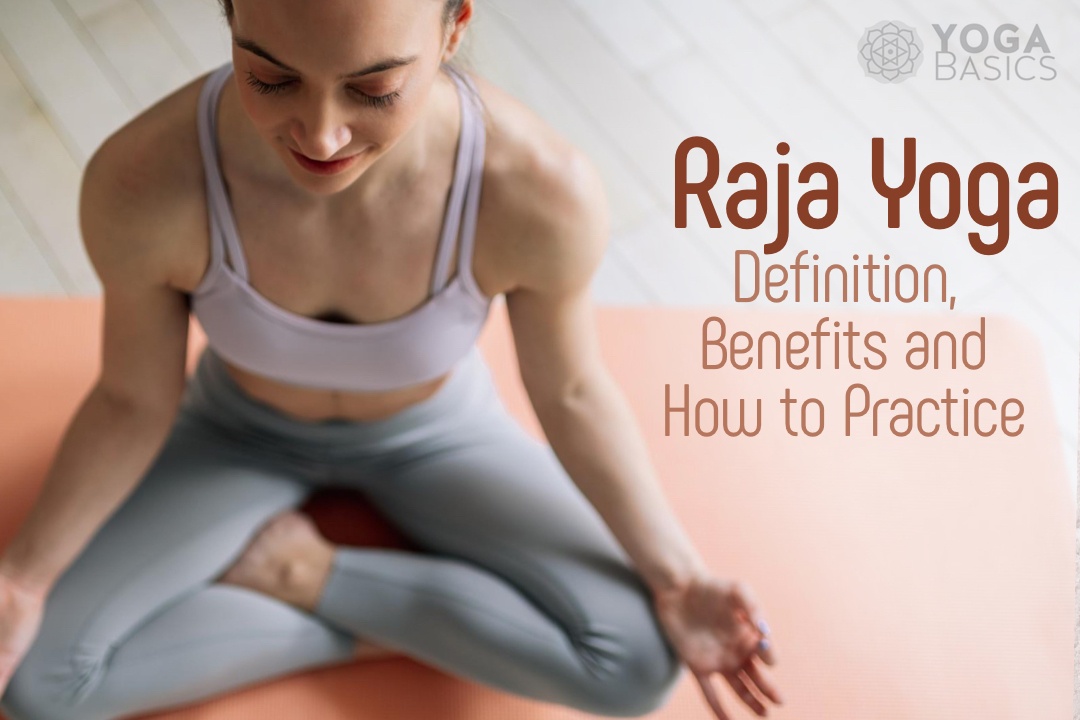
Rajayoga, as described in ancient yogic texts such as Patanjali’s Yoga Sutras, is the path of meditation and mind control. Its purpose is not to sculpt the body but to master it — as a vessel for inner awareness.
The word “Raja” means royal, implying a majestic or sovereign path that governs all others. It’s not merely a practice of asanas (poses); rather, it’s an inward journey toward liberation (moksha).
Core principles of Rajayoga:
- Yama (ethical discipline)
- Niyama (self-observance)
- Asana (posture)
- Pranayama (breathing control)
- Pratyahara (withdrawal from senses)
- Dharana (concentration)
- Dhyana (meditation)
- Samadhi (absorption or enlightenment)
Rajayoga views physical postures merely as stepping stones to internal transformation. The real work lies within — in calming the fluctuations of the mind.
Bikram Yoga: The Reinvention of Heat and Discipline
In contrast, Bikram Yoga — developed by Bikram Choudhury in the 1970s — is a modern, high-intensity form of Hatha Yoga. A typical session runs for 90 minutes, featuring 26 postures performed in a heated room (about 105°F or 40°C).
This heat mirrors India’s tropical climate and is said to enhance flexibility, promote sweating, and flush toxins. Bikram practitioners claim improved muscle tone, stamina, mental clarity, and even emotional resilience.
However, the style has also faced criticisms and scandals. From safety concerns about overheating and dehydration to legal controversies surrounding its founder, Bikram Yoga represents both the discipline and danger of modern yoga’s commercialization.
Rajayoga vs. Bikram Yoga: The Spiritual and the Physical
| Aspect | Rajayoga | Bikram Yoga |
|---|---|---|
| Focus | Mind control and meditation | Physical endurance and detoxification |
| Origin | Classical tradition, India (2nd century BCE, Yoga Sutras) | Modern system (20th century), Los Angeles |
| Environment | Quiet, calm, introspective | Heated room (up to 40°C), intense |
| Goal | Mental liberation and self-realization | Physical fitness and discipline |
| Practice Type | Eightfold spiritual path | 26 asanas + 2 breathing exercises |
| Controversies | Minimal, more philosophical debate | Legal and ethical controversies |
This duality between the mystical and the physical reflects the current global split: is yoga a path to higher consciousness or just another workout?
Yoga as Exercise: A Global Fitness Phenomenon
Modern health culture often views yoga as a powerful means of improving flexibility, posture, and muscle tone. Yoga studios across cities advertise it as a calorie-burning regimen. Even martial artists, dancers, and athletes incorporate yoga to enhance balance and recovery.
Positive aspects of yoga as exercise:
- Increases flexibility and joint mobility
- Strengthens stabilizing muscles
- Reduces stress and anxiety through mindful breathing
- Enhances balance and posture
- Improves cardiovascular efficiency (especially hot yoga styles)
However, this rebranding of yoga also has drawbacks:
- The spiritual essence risks becoming diluted.
- Competitive culture and body-image issues creep into practice.
- Overexertion or poor instruction can lead to injuries.
- Commercialization often prioritizes profit over yoga’s ethical roots.
In short, yoga as exercise can either empower the body or distort the original purpose — depending on intent and awareness.
Enlightening Yet Controversial: The Dual Face of Modern Yoga
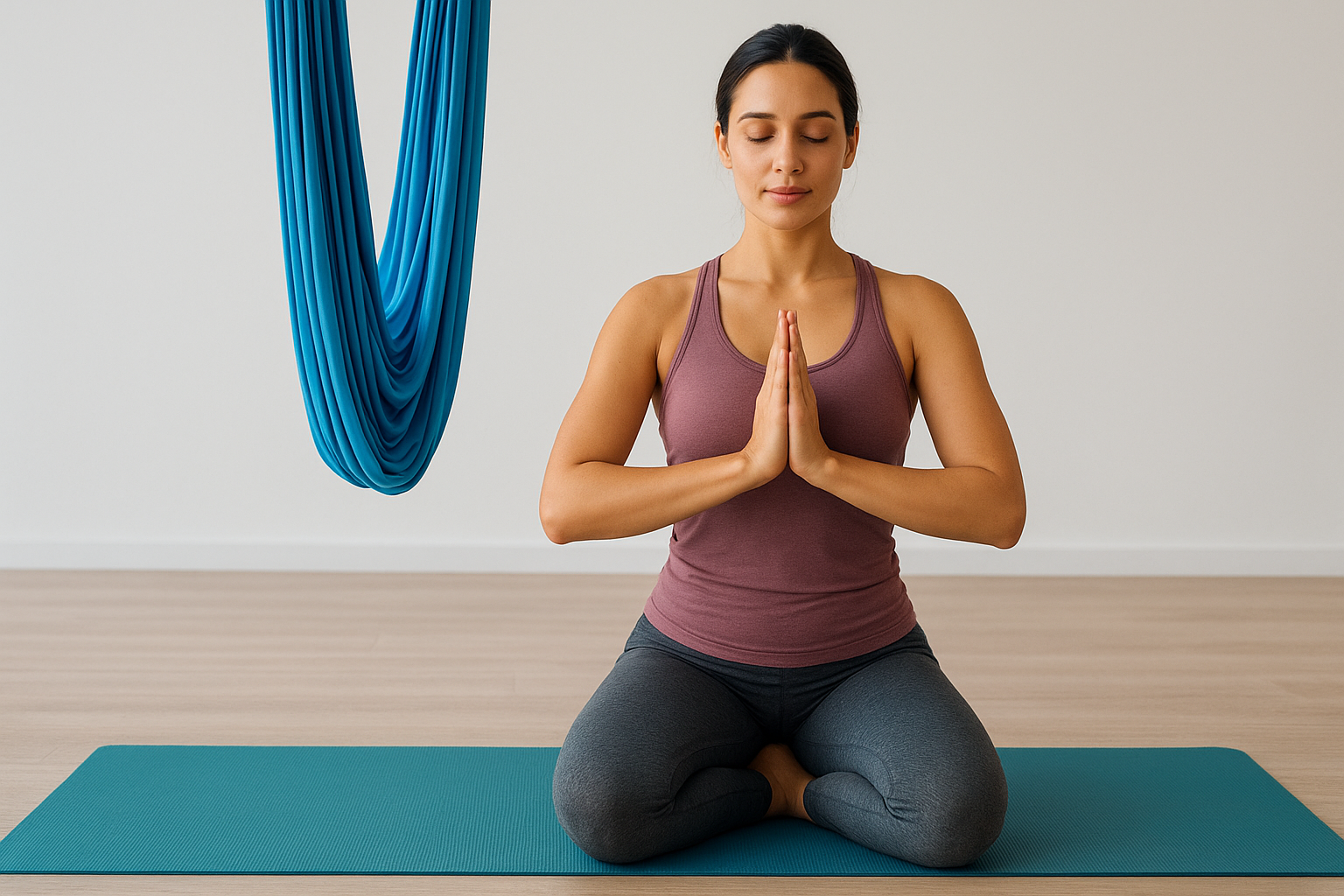
The enlightening side is clear: yoga transforms lives with improved mental and physical health. Studies show that regular yoga practice reduces cortisol (the stress hormone), enhances brain function, and even slows aging markers.
But the controversial side lingers: royalties, branding, exploitation, and the dilution of sacred traditions. Bikram Yoga exemplifies this dilemma — offering real benefits but tangled in controversy surrounding its founder and teaching culture.
Rajayoga, on the other hand, remains relatively untouched by scandal. It quietly attracts sincere seekers drawn to meditation, awareness, and truth. Unlike commercial yoga, Rajayoga resists spectacle and commands inner respect, not external validation.
The Power Word: Transformation in Action
At its heart, all yoga — whether Rajayoga, Bikram, or fitness yoga — shares one power word: Transformation.
Transformation of body.
Transformation of mind.
Transformation of consciousness.
While Bikram Yoga transforms the body through heat and tension, Rajayoga transforms the mind through control and stillness. Both can lead to profound growth, but their methods — and motivations — differ sharply.
The real transformation begins when a practitioner balances the physical and spiritual, discipline and devotion, movement and meditation.
The Psychology Behind Rajayoga
Rajayoga isn’t just a system of belief — it’s psychological engineering. By slowing breath and disciplining thought, Rajayoga activates the parasympathetic nervous system, invoking calm and clarity.
Modern neuroscience supports this: meditation reshapes brain regions associated with attention, empathy, and emotional regulation. Long-term Rajayoga practitioners often report heightened awareness and resilience under stress.
However, this path is not easy. Silence can be confronting. True meditation requires facing suppressed thoughts and emotions — the shadow mind. Yet overcoming these inner storms is what makes Rajayoga so empowering.
Heat and the Human Body: Science of Bikram Yoga
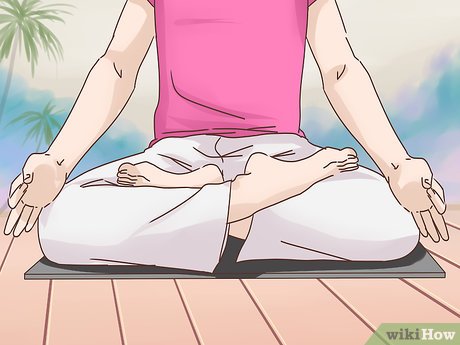
Bikram Yoga uses intense environmental heat to push the body beyond comfort zones. Proponents argue it increases elasticity and cleanses toxins. Studies confirm temporary increases in flexibility and circulation after hot yoga sessions.
However, health experts caution that such extreme humidity and temperature can cause:
- Dehydration
- Dizziness or fainting
- Joint overstretching
- Heart strain in vulnerable individuals
Thus, Bikram Yoga mirrors life’s paradox — comfort through discomfort. Those who adapt gain strength; those who resist may face harm.
The Commercialization of Yoga
As yoga gained Western popularity, it became a billion-dollar industry — from mats and apparel to influencer retreats. This explosion made yoga accessible but also commodified. Classes once taught as sacred rituals now appear as Instagram trends.
Rajayoga urges detachment from materialism. Yet even it is not immune to branding under wellness corporations. Authentic teachers remind us that yoga’s purpose is not to sell but to serve — to reconnect body and consciousness.
This commercialization causes ethical tension: can yoga stay pure while adapting to modern consumer culture?
The Feminine and Masculine Balance in Yoga
Rajayoga and Bikram also reflect deeper archetypes:
- Rajayoga embodies feminine receptivity, surrender, and intuitive depth.
- Bikram represents masculine energy, control, and power through endurance.
True yoga balances these forces — yin and yang, Shiva and Shakti. Only when both energies harmonize does transformation occur.
That harmony, not domination, is the sacred secret of yoga’s royal path.
Voices of Practitioners: Real Stories
Rajayoga Practitioners often describe gradual but lasting calm. “It feels like cleaning the mind every day,” says one meditation teacher. Many move beyond anxiety, finding purpose and quiet strength.
Bikram Practitioners highlight physical empowerment. “It taught me discipline and confidence,” notes a long-term yoga teacher. Yet some also admit burnout or disillusionment with rigid studio culture.
These stories reveal that sincerity matters more than style. Whether hot or serene, yoga’s real measure is self-awareness.
Modern Science Meets Ancient Wisdom
Scientific research now validates what yogis knew for centuries. Rajayoga’s meditation reduces amygdala activation — lowering fear and stress. Bikram’s structured strain stimulates cardiovascular adaptation and endorphin release.
Combined, these approaches can offer a balanced system for mental and physical wellness, if practiced mindfully and ethically.
Modern practitioners integrate both: combining Rajayoga-style meditation with Bikram-inspired conditioning. This hybrid offers holistic wellness — mind and body unified.
Rediscovering the Sacred in Exercise
When yoga becomes purely exercise, it risks losing heart; when it stays only spiritual, it can seem inaccessible. The future lies in integration.
Rajayoga reminds humanity of its spiritual center. Bikram Yoga proves the power of determination. Together, they reveal yoga as both surrender and strength — a royal dance of transformation.
The “exercise” frame should expand beyond muscles to include breath, awareness, and intention. After all, yoga means “union” — the merging of body, mind, and spirit.
The Future of Yoga: Authenticity and Awareness
As yoga evolves, its sustainability depends on authenticity. Practitioners crave more than physical results; they seek meaning. That’s why mindfulness-based Rajayoga is resurging across global wellness communities.
Bikram Yoga’s controversies serve as reminders — without ethics, even sacred practice loses integrity. Yet, its intensity teaches another truth: real growth requires courage.
Authentic yoga must evolve but stay rooted in its philosophical soil. Without yamas and niyamas — values of discipline and kindness — all else is incomplete.
The Missing Link: From Yogic Philosophy to Personal Empowerment
The conversation between ancient yoga and modern exercise often misses a vital bridge — personal empowerment through awareness. Both Rajayoga and Bikram Yoga empower practitioners, but in profoundly different ways.
Rajayoga builds power from within. Its empowerment is rooted in control over desires, emotions, and thoughts. The yogi who masters their mind becomes naturally free from external control. This is true sovereignty — a concept central to Rajayoga philosophy. When you practice stillness, your perception sharpens, helping you act consciously rather than react impulsively.
Bikram Yoga, on the other hand, builds empowerment through external discipline. It tests endurance, willpower, and persistence under pressure. In that heated space, discomfort becomes a mirror for the mind. You watch your resistance rise, then fall away. Repeated practice creates psychological toughness — an inner armor that helps manage stress in daily life.
These two paths — inner stillness and outer discipline — represent dual forms of empowerment. When integrated, they produce resilience without rigidity, calmness without passivity.
The Role of Breath in Bridging Mind and Body
Breath is the golden thread that unites Rajayoga’s mindfulness with Bikram’s vigor. Pranayama, the yogic science of breath control, transforms energy at every level. It’s not merely a physiological act but a bridge connecting the physical and spiritual.
Modern science confirms what ancient yogis always knew: controlled breathing can directly influence heart rate, blood pressure, and even gene expression. Slow, rhythmic breathing activates the vagus nerve, lowering stress and enhancing focus.
Rajayoga’s subtle pranayamas like Nadi Shodhana (alternate nostril breathing) balance energy channels, preparing the mind for meditation. Bikram’s rapid and powerful breathing exercises ignite heat and stamina.
The contrast once again reveals complementarity. The calm of Rajayoga can guide Bikram’s intensity; Bikram’s fire can awaken Rajayoga’s stillness. For holistic wellness, the two forms of pranayama must coexist — breath as both movement and meditation.
The Ethical Core of Rajayoga: The Forgotten Foundation
Modern yogic trends often skip over the ethical foundation that gives yoga its transformative depth: the Yamas and Niyamas. These ten moral principles form the foundation of Rajayoga and, by extension, all authentic yoga traditions.
Yamas (ethical disciplines):
- Ahimsa – Non-violence in thought, word, and action
- Satya – Truthfulness
- Asteya – Non-stealing
- Brahmacharya – Moderation and mindful use of energy
- Aparigraha – Non-possessiveness
Niyamas (self-observances):
- Saucha – Purity
- Santosha – Contentment
- Tapas – Discipline
- Svadhyaya – Self-study or study of sacred texts
- Ishvara Pranidhana – Surrender to the divine
Without these, yoga risks becoming a mere physical activity — another form of exercise without ethical grounding. This is where Bikram Yoga often faces moral scrutiny. Its scandals highlight what happens when physical discipline is detached from moral restraint.
Rajayoga teaches that physical mastery without ethical evolution can never lead to true enlightenment. Only compassion and integrity make yoga transformative rather than transactional.
Yoga and Neuroscience: What Modern Research Reveals
Over the last two decades, neuroscience has turned its lens toward yogic practices, validating what sages intuited centuries ago. Rajayoga’s meditative focus increases gray matter density in brain areas linked with memory, attention, and emotional regulation. Meanwhile, Bikram and other high-intensity yoga forms enhance cerebral blood flow and endorphin levels, improving mood and resilience.
Some notable findings:
- Meditation reduces activity in the brain’s default mode network, lowering anxiety and rumination.
- Regular yoga practice enhances neuroplasticity, allowing faster emotional recovery from stress.
- Hot yoga sessions improve cardiovascular adaptation in adults, particularly in sedentary populations.
- Pranayama heightens oxygen saturation and balances CO₂ levels, improving attentional control.
This convergence of science and spirituality reveals a hidden truth — yoga as exercise is not merely physical; it’s neuropsychological. Every breath, posture, and thought reshapes neural pathways.
Yet, science also issues a warning: overexertion in heated rooms can spike cortisol, negating yoga’s calming benefits. Balance remains key.
Rajayoga in Modern Lifestyle: A Path for the 21st Century
In a world buzzing with distractions, Rajayoga offers mental quietude — a sanctuary within. The modern lifestyle demands speed, multitasking, and constant stimulation, but Rajayoga teaches deceleration.
How Rajayoga fits modern life:
- For entrepreneurs: Enhances decision-making through mindfulness.
- For students: Builds concentration and emotional stability.
- For creatives: Opens intuitive channels.
- For professionals: Reduces burnout through mental clarity.
Rajayoga requires no heated room, equipment, or new wardrobe. It only requires openness and consistency. Even five minutes of silent sitting daily can begin rewiring thought patterns.
The more subtle your awareness becomes, the more you perceive life as interconnected energy — the very essence of yoga.
The Paradox of Bikram: Discipline or Dogma?
Bikram Yoga’s structure — the 26 postures repeated in sequence, in exact temperature — was once its charm. It provided certainty, predictability, and challenge. Yet, that same rigidity can evolve into dogma if practiced without self-awareness.
Some practitioners report injuries from overstretching or dehydration. Others criticize the “cookie-cutter” teaching method that leaves little room for individuality. Critics argue that yoga, a practice of liberation, should not turn into mechanical repetition.
On the other hand, defenders of Bikram Yoga claim that its discipline breeds focus. When all distractions are removed and the body pushed to limits, the mind naturally surrenders. In this surrender, mental purification occurs — much like a spiritual trial by fire.
So, whether Bikram becomes a tool for liberation or a trigger for burnout depends entirely on the practitioner’s intention.
Redefining Yoga as Exercise: Toward a Conscious Fitness Movement
What if the term yoga as exercise evolved beyond its narrow meaning? Exercise often implies external effort — sweat, burn, repetition. But yoga invites conscious movement, where awareness precedes action.
The fitness industry’s obsession with results — calories burned, muscles toned — often reduces yoga’s essence. However, integrating Rajayoga’s awareness and Bikram’s intensity could redefine fitness as mind-body alchemy.
A “conscious fitness” approach encourages listening to the body’s intelligence rather than enforcing performance. When awareness guides movement, exercise becomes meditation in motion — effort without aggression, strength without strain.
Such integration could innovate wellness programs, merging neuroscience, ethics, and spirituality with physical training.
Energy Alchemy: The Subtle Science of Rajayoga
Yoga’s spiritual science rests on energy transformation. In Rajayoga, practitioners move beyond the physical sheath (Annamaya Kosha) toward subtler layers — mental, intellectual, and bliss bodies. Through focused meditation, prana (vital life energy) rises through the Sushumna Nadi, awakening higher consciousness.
Bikram’s heat-based system indirectly manipulates this energy by purifying physical toxins and unblocking stagnation. Yet, without meditation, this awakened energy can scatter rather than ascend.
Therefore, yogic masters advise combining asanas with awareness, breath with devotion, and effort with surrender. Energy alchemy succeeds only when governed by mindfulness — the hallmark of Rajayoga.
The Sociocultural Shift: Yoga Beyond Religion
Another layer of controversy around Rajayoga and Bikram Yoga lies in cultural appropriation. As yoga spread globally, many questioned whether its original spiritual roots were being diluted or misrepresented.
Rajayoga transcends religion — it’s a universal science of self-realization. It does not belong to any sect or nationality, only to consciousness itself. When practiced with respect, yoga becomes a unifying philosophy, not a cultural commodity.
Modern studios can honor this legacy by educating students about yoga’s ethical and philosophical origins instead of selling quick-fix spirituality. Bikram Yoga may have commercialized the method, but its intensity also attracted millions who later explored deeper paths like Rajayoga and Raja Meditation — proving that controversy sometimes opens new doors to truth.
Rajayoga Meditation Techniques for Beginners
For those seeking to begin Rajayoga, here’s a simplified starting approach:
- Create a quiet space: Choose a consistent, uncluttered spot.
- Posture: Sit comfortably with a straight spine.
- Breath Awareness: Focus on natural breathing; let it anchor your attention.
- Observe Thoughts: Watch without judgment. Allow them to pass like clouds.
- Focus on Self-awareness: Repeat an affirmation like “I am a soul, peaceful and powerful.”
- End with Gratitude: Before finishing, express silent thankfulness — grounding your awareness.
This method activates mindfulness without suppression. Over time, the mind becomes a clear mirror reflecting truth beyond distraction.
Bikram-inspired Practices for Physical Vitality
If you prefer action over stillness but crave yoga’s discipline, consider moderate heat-based sequences inspired by Bikram Yoga (without extreme temperatures).
Safety guidelines:
- Maintain hydration at all times.
- Do not force flexibility.
- Practice in ventilation-controlled environments (around 90°F/32°C max).
- End each session with cooling breathwork or meditation.
This modified approach retains intensity while minimizing health risks — turning what was once controversial into a balanced physical regimen.
The Ultimate Synthesis: Rajayoga’s Stillness, Bikram’s Fire
Imagine merging Rajayoga’s calm introspection with Bikram’s fiery vigor. The result is a comprehensive path — psychological purification through effort, and spiritual illumination through silence.
Such integration honors yoga’s deepest meaning: union. The goal is not choosing one system over another but learning to balance both.
Rajayoga without embodiment can become detached; Bikram without mindfulness becomes mechanical. But together, they form a holistic structure: heat to burn away inertia, stillness to reveal insight.
The Legacy and the Lesson
The final truth about Rajayoga, Bikram, and yoga as exercise is that controversy and enlightenment often coexist. Without challenge, growth stops; without awareness, power corrupts.
Rajayoga teaches surrender, Bikram demands courage, and yoga as exercise invites harmony. These forms together offer a complete spectrum — from the sacred to the sweat, from the mind’s silence to the body’s roar.
Yoga’s enduring legacy is thus not found in rigid systems but in ongoing evolution.
Closing Reflection: The Royal Flame Within
Every yoga mat is a modern battlefield between distraction and awareness. Whether you sit in silence or sweat in heat, each breath brings a choice — numbness or presence.
The majestic secret of Rajayoga is that true strength begins in serenity. The fierce secret of Bikram Yoga is that serenity can survive fire.
Together, they whisper the same wisdom: transformation is both enlightening and controversial.
The real Rajayoga is not confined to meditation halls, and the real Bikram is not trapped in heated rooms. Both live wherever awareness meets effort.
Through integration rather than division, yoga reclaims its crown — the royal union of opposites, the infinite cycle of balance and becoming.