Yoga is not just a form of exercise; it is a lifestyle, a journey toward self-awareness and equilibrium. When practiced intentionally, it can transform your body, mind, and emotions. Among the many benefits yoga offers, weight loss is often one of the most sought-after—and misunderstood.
While mainstream fitness often focuses on calorie-burning through high-intensity workouts, yoga provides a holistic approach. It harmonizes your metabolism, balances hormones, and fosters mindfulness, resulting in sustainable fat loss rather than mere weight fluctuation.
To truly harness yoga’s potential for weight management, one must understand how two of its most powerful pillars—Asana (physical postures) and Pranayama (breath control)—work synergistically.

The Science Behind Yoga and Weight Loss
Yoga influences weight not simply by “burning calories” but by reprogramming the body’s internal systems. Here’s how:
- Hormonal Rebalancing: Chronic stress elevates cortisol levels, leading to increased fat storage, especially around the midsection. Yoga’s emphasis on breath, mindfulness, and relaxation directly reduces cortisol, helping regulate appetite and metabolism.
- Improved Digestion: Certain postures stimulate the digestive organs, improving nutrient absorption and detoxification.
- Better Sleep: Regular yoga practice enhances sleep quality, stabilizing leptin and ghrelin—two hormones responsible for hunger and satiety.
- Mindful Eating: Meditation and mindful breathing reduce emotional eating habits and encourage conscious food choices.
Modern science supports these findings. Studies published in journals like Frontiers in Psychology and Obesity have demonstrated that yoga practitioners often experience better body composition, reduced BMI, and improved metabolic markers, even with moderate-intensity routines.
Understanding Asana: The Physical Transformation
Asanas are more than body movements—they are dynamic energy exercises. Each posture engages multiple muscle groups, enhances balance, and increases core strength. But the secret lies not in mere movement but in conscious engagement and breath synchronization.
When practiced consistently, asanas offer these physiological benefits crucial for weight management:
- Muscle Tone & Endurance: Holding poses like Utkatasana (Chair Pose) or Navasana (Boat Pose) activates major muscle groups, building lean mass and boosting basal metabolic rate.
- Detoxification: Twisting postures such as Ardha Matsyendrasana help eliminate toxins that slow metabolism.
- Improved Insulin Sensitivity: Regular asana practice helps stabilize blood sugar levels, reducing cravings and fat accumulation.
- Cardiovascular Fitness: Dynamic flows such as Surya Namaskar (Sun Salutation) can raise heart rate enough to contribute to aerobic fitness.
Essential Asanas for Weight Loss
Below are time-tested asanas that serve as the foundation for effective fat-burning and toning.
1. Surya Namaskar (Sun Salutation)
A 12-step sequence that combines stretching, balancing, and rhythmic breathing. Done at a steady pace, it energizes all major muscle groups and boosts cardiovascular health. Practicing 12 rounds daily can significantly enhance stamina and flexibility.
2. Trikonasana (Triangle Pose)
This posture opens the hips and tones abdominal muscles. It improves digestion by stimulating internal organs, making it excellent for reducing belly fat.
3. Virabhadrasana II (Warrior II)
A powerful standing pose that strengthens the thighs, shoulders, and core. It also improves focus and endurance—qualities that make weight loss sustainable.
4. Navasana (Boat Pose)
An intense core-balancing posture that strengthens the back and abdominal muscles, helping to sculpt the midsection.
5. Utkatasana (Chair Pose)
A fiery lower-body workout, this pose stimulates metabolism and builds strength in the legs while engaging the heart and lungs.
6. Bhujangasana (Cobra Pose)
This gentle backbend rejuvenates the spine, tones the buttocks, and massages abdominal organs, aiding digestion and fat burn.
7. Dhanurasana (Bow Pose)
A complete backbend that enhances flexibility and stimulates thyroid and adrenal glands—essential endocrine organs involved in energy balance.
8. Setu Bandhasana (Bridge Pose)
Revitalizes the body and improves thyroid function while reducing belly fat through gentle abdominal compression.
9. Vrikshasana (Tree Pose)
Though simple, it strengthens the legs and improves balance. It also calms the nervous system, indirectly reducing emotional overeating.
10. Shavasana (Corpse Pose)
Often overlooked, this final relaxation is essential. It allows the nervous system to integrate all the physical and energetic benefits of practice.
The Power of Pranayama: Breathe Your Way Lean
If asanas shape the physical body, pranayama shapes the energetic body. In Sanskrit, prana means “life force,” and ayama means “extension.” Pranayama practices expand breath capacity, improve lung efficiency, and profoundly affect metabolism and emotional regulation.
When integrated with asana and a balanced diet, pranayama serves as a metabolic accelerator and mood stabilizer, both crucial for sustainable weight loss.

Key Pranayama Techniques for Weight Loss
Kapalabhati (Skull-Shining Breath)
This cleansing technique involves forceful exhalations and passive inhalations. It stimulates the abdominal muscles, activates digestive fire (Agni), and increases oxygen supply to every cell. Research suggests it also improves insulin sensitivity when practiced daily.
Practice tip: 3 rounds of 60 strokes each, followed by deep relaxation in Shavasana.
Bhastrika (Bellows Breath)
This vigorous pranayama boosts internal heat and improves oxygen circulation. It is excellent for energizing sluggish metabolism but should be practiced on an empty stomach.
Anulom Vilom (Alternate Nostril Breathing)
Balances the sympathetic and parasympathetic nervous systems, helping reduce stress-induced cravings. It fosters calm focus and ensures hormonal balance.
Ujjayi (Victorious Breath)
Commonly used in Vinyasa flow, this deep, oceanic breath warms internal organs and enhances mindfulness. It improves stamina and endurance during challenging sequences.
Bhramari (Humming Bee Breath)
Effective for calming the mind and releasing tension—a critical aspect of breaking emotional eating patterns.
Combining Asana and Pranayama: A Daily Blueprint
To maximize fat loss and vitality, combine asana and pranayama in a structured daily routine. Here’s an effective 60-minute sequence:
- Centering & Breath Awareness (5 min) – Sit in Sukhasana and observe your natural breath.
- Warm-up (5 min) – Gentle neck rolls, seated twists, and cat-cow stretches.
- Dynamic Flow (20 min) – 6–12 rounds of Surya Namaskar with mindful breathing.
- Core & Standing Poses (15 min) – Include Navasana, Warrior II, and Trikonasana.
- Pranayama (10 min) – Practice Kapalabhati, followed by Anulom Vilom or Ujjayi.
- Meditation & Relaxation (5 min) – End with Shavasana or a short guided meditation.
Consistency is key—aim for 5 to 6 sessions per week, supported by conscious nutrition and hydration.
Nutrition and Mindful Eating with Yoga
Yoga encourages Sattvic eating, which emphasizes freshness, simplicity, and balance. Foods that are light, wholesome, and easy to digest support both physical performance and mental clarity.
Key dietary principles:
- Eat freshly prepared, plant-based meals.
- Avoid processed and fried foods.
- Include fiber-rich fruits, vegetables, and whole grains.
- Stay hydrated with warm water or herbal teas.
- Eat meals in a calm, distraction-free environment.
Mindful eating—rooted in awareness rather than restriction—reduces emotional and binge eating, helping you stay naturally disciplined.
The Psychological Shift: From Struggle to Flow
Those who approach yoga primarily for aesthetic goals often find their journey frustrating. Weight loss through yoga isn’t a crash course; it’s a psychological and emotional rehabilitation. It rebuilds your relationship with your body, food, and identity.
With continued practice:
- You become attuned to hunger cues, eating when you need nourishment instead of comfort.
- Self-discipline replaces self-criticism.
- Motivation shifts from outer appearance to inner vitality.
In essence, yoga turns weight loss into a byproduct of self-alignment—not the central pursuit.
Common Mistakes That Sabotage Progress
Even sincere practitioners can unknowingly undermine their results. Avoiding these pitfalls ensures lasting success:
1. Focusing Only on Asana
While physical postures are transformative, neglecting breathwork, relaxation, and meditation prevents holistic progress. Remember: yoga is 80% breath and awareness.
2. Overtraining Without Recovery
Yoga should energize, not exhaust. Overdoing dynamic flows without proper rest triggers cortisol spikes, leading to weight retention.
3. Poor Diet Choices
No practice can compensate for an imbalanced diet. Using food as reward or comfort slows results. Instead, choose mindful, nutrient-dense meals.
4. Skipping Pranayama and Meditation
Without these calming practices, emotional eating habits often return. Breathing and meditation are crucial to resetting your mental state.
5. Inconsistency
Scattered practice yields scattered results. True transformation demands patience—daily devotion, even for 30 minutes, is more powerful than weekly intensity.
6. Ignoring Individual Needs
Not every body responds identically. Modify poses and pacing based on your energy, health, and menstrual cycle (for women). Listen to your body without comparing.
7. Seeking Quick Fixes
Yoga is not a fast remedy. Expect gradual, steady progress. Embrace the journey as a lifelong improvement, not a temporary solution.
How Yoga Balances the Hormones That Control Weight
Hormones are the invisible regulators of metabolism and appetite. Yoga influences them in profound ways:
- Cortisol: Regular meditation, forward bends, and deep breathing reduce stress, lowering cortisol-driven fat storage.
- Thyroid Hormones: Postures like Sarvangasana (Shoulder Stand) and Matsyasana (Fish Pose) stimulate the thyroid gland, balancing metabolism.
- Insulin: Twisting postures and pranayama techniques enhance glucose absorption, preventing insulin resistance.
- Leptin & Ghrelin: Better sleep and mindfulness help stabilize hunger hormones, curbing overeating naturally.
Thus, yoga doesn’t just reshape your physique—it recalibrates your biochemical foundation.
Yoga Nidra and Rest: The Hidden Secret to Weight Loss
You can’t lose weight effectively if your body and mind are in survival mode. Yoga Nidra—a guided yogic sleep practice—induces deep relaxation, activating the parasympathetic nervous system. This state promotes healing, better digestion, and hormonal regulation.
A 20-minute Yoga Nidra session can equal several hours of deep rest. For weight management, practice it after your asana session or before bedtime. It also reprograms the subconscious, which governs habits and cravings.

The Role of Consistency and Intention
In yoga, consistency trumps intensity. A gentle, daily practice engrains discipline and creates measurable physical and emotional change. Pairing it with clear intention—like “I practice to feel lighter and more energetic”—keeps motivation pure and sustainable.
Approach yoga as self-care, not punishment. Every time you step on the mat, you signal self-respect, and the universe aligns to support your transformation.
A Sample 7-Day Yoga Plan for Weight Management
Day 1: Core Strengthening Focus
- Surya Namaskar – 10 rounds
- Navasana and Utkatasana – Hold for 30–45 seconds
- Anulom Vilom – 10 minutes
Day 2: Balance & Mindfulness
- Vrikshasana, Virabhadrasana II, Trikonasana
- Ujjayi Pranayama – 5 minutes
- Shavasana – 10 minutes
Day 3: Detox & Digestive Flow
- Ardha Matsyendrasana, Bhujangasana, Dhanurasana
- Kapalabhati – 3 rounds
- Light Yoga Nidra – 15 minutes
Day 4: Restorative and Gentle
- Setu Bandhasana, Paschimottanasana, Supta Baddha Konasana
- Deep breathing and journaling
Day 5: Power Flow (Dynamic)
- Surya Namaskar with lunge transitions
- Plank to Cobra flow
- Bhastrika Pranayama – 3 rounds
Day 6: Full-Body Integration
- Combination of balance, twists, backbends
- Meditation on breath awareness
Day 7: Active Rest
- Gentle walk or slow Yogic stretching
- Yoga Nidra or Sound Bath Meditation
Supportive Lifestyle Habits
- Sleep at least 7–8 hours per night. Deep rest supports cellular regeneration.
- Hydrate early and often. Begin your day with warm lemon water.
- Digital detox before bed. Blue light disrupts melatonin and fat metabolism.
- Gratitude journaling. Gratitude keeps you mentally aligned with abundance rather than deprivation.
These lifestyle adjustments multiply the effects of your asana and pranayama practice.
The Deeper Reward Beyond Weight Loss
While yoga can sculpt your body, its most profound reward is freedom from self-judgment. True fitness extends beyond numbers on a scale—it’s about vitality, emotional balance, and spiritual harmony.
As you integrate asana, pranayama, and mindfulness, your energy vibration rises. You attract better health, relationships, and opportunities. The once-daunting goal of weight loss evolves into a journey of self-realization.
Frequently Asked Questions (FAQs)
1. Can yoga alone help me lose weight without dieting?
Yes, but results vary. Yoga helps by balancing hormones, reducing stress, and improving digestion—all of which support fat loss. However, combining yoga with a balanced, mindful diet produces faster and more sustainable weight reduction.
2. Which yoga is best for weight loss—Ashtanga, Vinyasa, or Hatha?
All yoga styles can contribute to weight loss when practiced consistently.
- Ashtanga Yoga builds stamina and burns calories fast.
- Vinyasa Yoga emphasizes dynamic flow and flexibility.
- Hatha Yoga tones muscles while calming the nervous system.
Choose based on your fitness level and lifestyle.
3. How long should I practice yoga daily to see results?
Even 30–60 minutes daily, five to six days per week, can lead to visible results within a few months. Consistency and mindful breathing are more important than duration or intensity.
4. Does Pranayama really help with weight loss?
Yes. Techniques like Kapalabhati and Bhastrika stimulate metabolism, boost oxygen supply, and enhance fat oxidation. Calming breathing practices like Anulom Vilom regulate appetite and emotional balance, preventing overeating.
5. Can beginners practice weight-loss yoga safely?
Absolutely. Start with gentler asanas such as Tadasana, Trikonasana, and Setu Bandhasana. Avoid pushing too hard or skipping relaxation poses. Gradual progress prevents injury and builds strong foundations.
6. What are common mistakes people make in yoga for weight loss?
The biggest mistakes include inconsistent practice, focusing only on strenuous poses, skipping breathwork and meditation, ignoring diet, and expecting overnight results. Yoga rewards patience and discipline.
7. How soon will I see changes in my body from yoga?
Some people notice increased energy and flexibility within 2–3 weeks. Visible toning and weight reduction usually appear after 8–12 weeks of consistent practice combined with healthy eating and adequate sleep.
8. Can I replace cardio workouts with yoga?
Yes, especially if you practice dynamic sequences like Surya Namaskar or Vinyasa flow. These elevate heart rate and improve endurance while also developing strength and balance.
9. Does yoga tone muscles or just relax them?
Yoga both tones and relaxes. Sustained postures engage multiple muscle groups, leading to long, lean muscle tissue rather than bulk. It also enhances joint stability and posture.
10. What is the best time to practice yoga for weight loss?
Early morning, ideally around sunrise, is best because the body is light, the stomach is empty, and the mind is calm. If mornings aren’t feasible, evening sessions before dinner work well too.
11. Is yoga safe for people with hormonal imbalances or thyroid issues?
Yes, many yoga poses help regulate endocrine functions. Postures like Sarvangasana, Matsyasana, and Setu Bandhasana are especially beneficial. However, consult a certified yoga instructor and doctor before beginning.
12. Can practicing yoga help with emotional eating?
Absolutely. Mindful breathing and meditation reduce anxiety and emotional triggers related to overeating. Over time, you’ll become more conscious of when and why you eat, leading to better control.
13. Should I do pranayama before or after asanas?
Traditionally, asanas come first to prepare the body and clear energy channels. Pranayama follows to deepen awareness and stabilize internal systems. Always finish with relaxation or meditation.
14. Is it necessary to attend a yoga studio to achieve weight loss?
Not necessarily. With online classes, books, and guided videos, you can practice at home effectively. However, beginners benefit from personal guidance to ensure correct alignment and breathing.. I don’t have much time—can 20 minutes of yoga really make a difference?
Yes. Even a short practice combining 5 rounds of Surya Namaskar, 5 minutes of Kapalabhati, and 5 minutes of meditation can enhance metabolism and reduce stress. The quality of focus matters more than time spent.
Conclusion
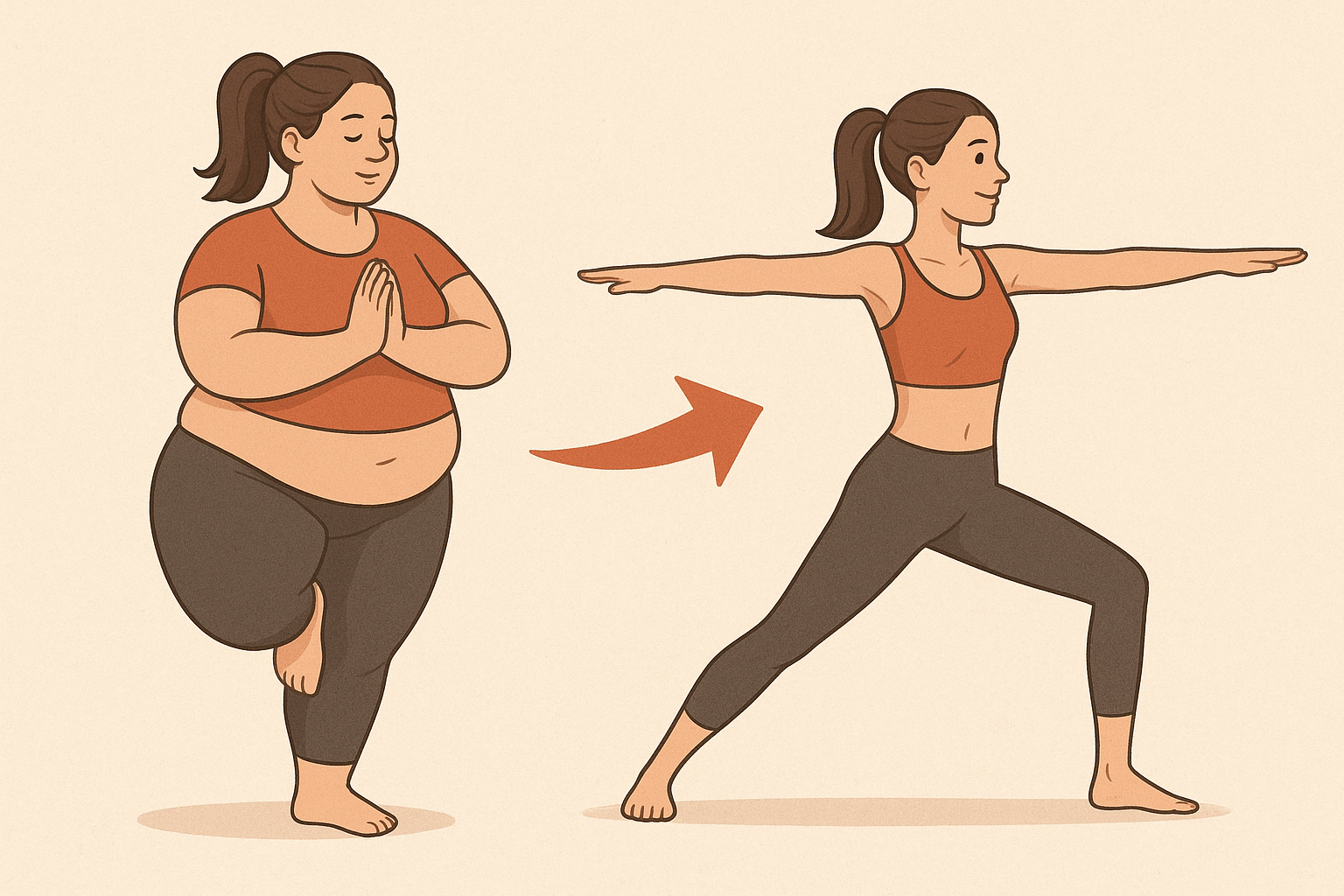
Yoga offers far more than a path to physical transformation—it is a doorway to lasting wellness, self-awareness, and emotional balance. When practiced mindfully, the combination of Asana and Pranayama becomes a powerful vehicle to reshape not only your body but also your habits, thoughts, and energy. Unlike typical workout routines that focus solely on burning calories, yoga deeply harmonizes your mind-body connection, helping you achieve sustainable weight loss from the inside out.
As you move through this journey, remember that every breath, every posture, and every mindful moment contributes to change. The scale will eventually reflect your inner alignment—but the real transformation lies in how balanced, confident, and vibrant you feel.
Start where you are, stay consistent, and let yoga evolve naturally into your lifestyle. When discipline merges with mindfulness, your body will find its perfect rhythm—not through struggle, but through grace.