Introduction: The Breath of a New Dawn
Every year on International Yoga Day, the world pauses—if only for a breath—to celebrate the ancient practice that connects mind, body, and spirit. Among the countless postures and breathing techniques yoga offers, one stands out for its fiery energy and transformative power: Kapalbhati Pranayama.
Kapalbhati, often translated as “the shining skull technique”, is more than just a pranayama; it’s a complete rejuvenation ritual. It detoxifies your body, purifies your mind, and revitalizes your spirit. In this fast-paced, screen-glued world, where lethargy is a silent epidemic, Kapalbhati emerges like a morning breeze—energizing, clarifying, and demanding your awareness.
If you’ve ever found yourself struggling to wake up, both literally and metaphorically, Kapalbhati is your inner alarm—gentle yet firm, natural yet intense. It heals your glow by oxygenating your system and destroys your laziness by igniting your inner fire.
The Meaning and Roots of Kapalbhati
The Sanskrit roots of the word itself carry profound meaning:
- Kapal translates to skull or forehead.
- Bhati means shining or illuminating.
Thus, Kapalbhati signifies that which makes the skull shine. Ancient yogic sages described it as a technique that awakens the dormant subtle energies of the mind and body. Regular practitioners were said to have faces that literally glowed with clarity and joy—reflective of internal purity.
In the Hatha Yoga Pradipika, one of yoga’s classical texts, Kapalbhati is listed among the six shatkarmas (cleansing techniques). Traditionally, it was used not as a relaxation tool, but as a detoxifying purification process, designed to cleanse the nadis (energy channels) and prepare yogis for deeper meditative states.
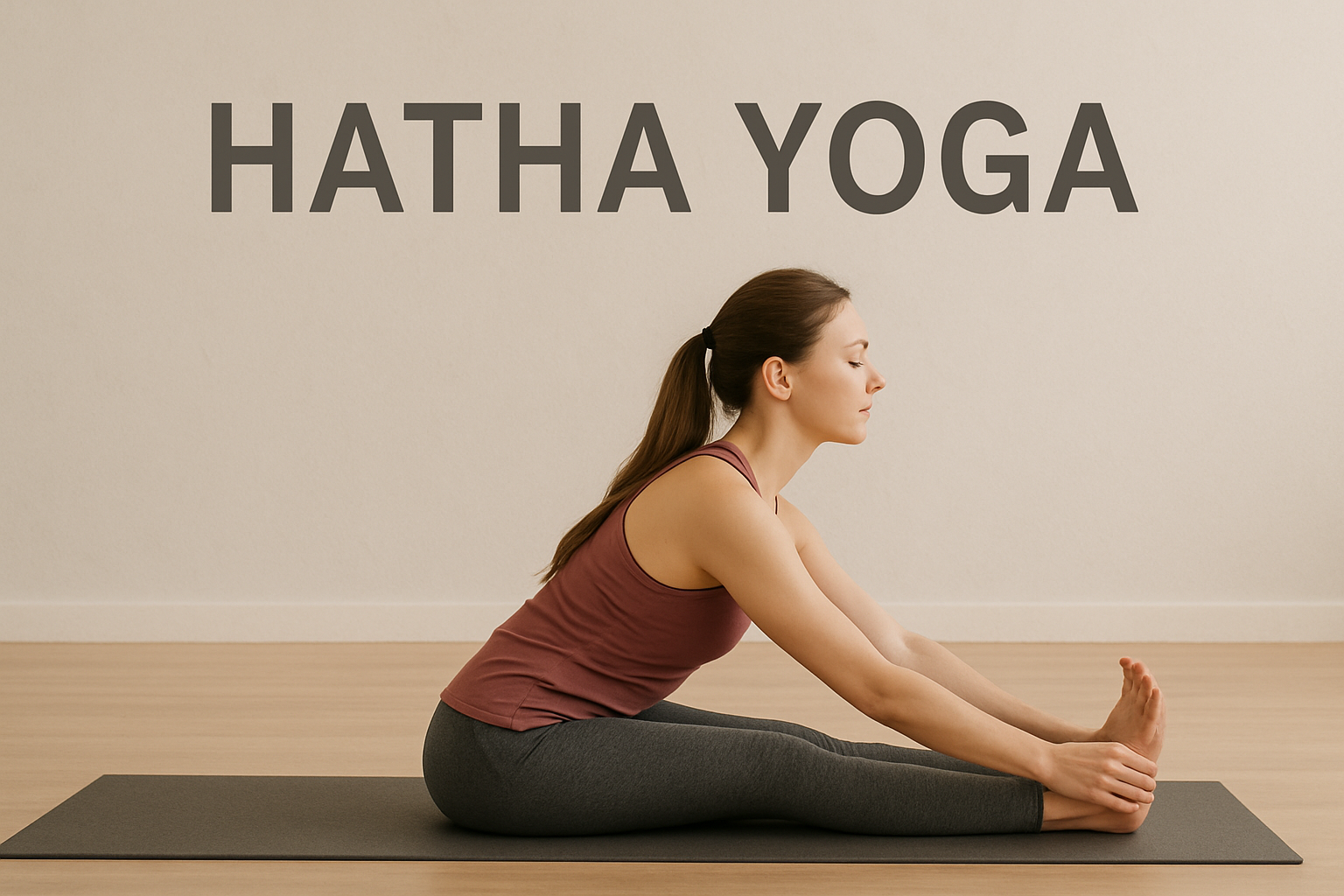
Over centuries, Kapalbhati evolved and gained recognition beyond monastic practice. Yogis began using it not only to prepare for meditation but also to revitalize prana—the life force that governs vitality.
Today, with global awareness growing and spiritual fitness becoming a wellness pillar, Kapalbhati is practiced everywhere—from Himalayan caves to urban rooftops at dawn.
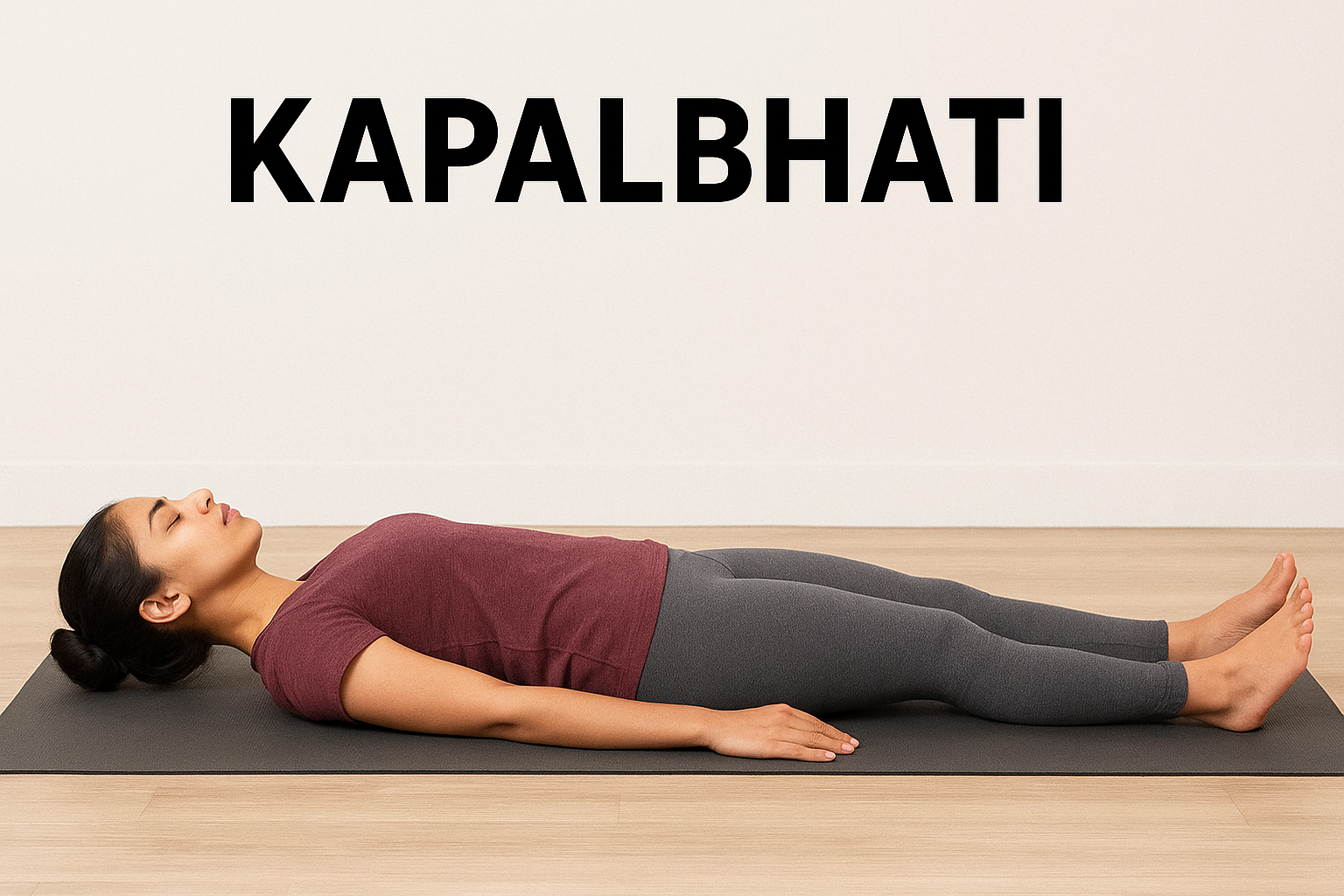
The Science Behind the “Miracle Breath”
What makes Kapalbhati feel so miraculous isn’t magic—it’s science beautifully synchronized with spirit.
At its core, Kapalbhati involves forceful exhalation and passive inhalation. You rapidly contract your abdominal muscles, push air out through the nostrils, and allow natural inhalation to follow. Each round triggers an instant wave of energy through your body.
Here’s what happens physiologically:
- Oxygen Surge: Each exhale expels stale air and carbon dioxide, while the reflexive inhale floods your bloodstream with oxygen.
- Lymphatic Flush: The pumping abdominal movement stimulates the lymphatic system, aiding detoxification.
- Core Activation: Your diaphragm, abdomen, and pelvic floor engage rhythmically, strengthening internal organs and improving digestion.
- Brain Revitalization: Increased oxygen improves focus, alertness, and mood. The forehead or “kapal” region receives enhanced blood flow, contributing to a radiant glow.
- Stress Release: Rapid exhalations move energetic blockages and create heat in the body, dissolving inertia and mental fatigue.
Put simply, Kapalbhati awakens the body’s inner fire—a purification mechanism both ancient and scientific. It’s the biological and spiritual antidote to modern-day laziness.
How to Practice Kapalbhati Correctly
Despite its vivid simplicity, Kapalbhati must be performed mindfully. Doing it with awareness ensures you harvest its full benefits without strain.
Step-by-Step Guide
- Sit Straight:
Choose a comfortable position—Padmasana (Lotus Pose), Sukhasana (Easy Pose), or Vajrasana (Thunderbolt Pose). Keep your spine erect, shoulders relaxed, and palms resting on your knees in Chin Mudra (index finger and thumb touching). - Focus:
Gently close your eyes. Take a few deep, calming breaths to prepare. Maintain a steady awareness on your abdomen. - The Exhalation:
Inhale normally, then focus on sharp, active exhalations. Each exhale should be a forceful contraction of your abdominal muscles, as if pushing the navel toward the spine. - The Inhalation:
Inhalation is automatic and passive. Do not force it; allow your abdomen to naturally expand. - Pace & Duration:
Begin with 30 exhalations in one round. Slowly build up to 60–100 strokes per minute with practice. Beginners should start gently—speed follows control. - Rest & Observe:
After each round (about 30–60 strokes), take a short pause. Breathe normally and feel the rising energy and stillness inside. - Repetitions:
Perform 3 rounds per session. With consistent practice, you can gradually increase duration as per your comfort.
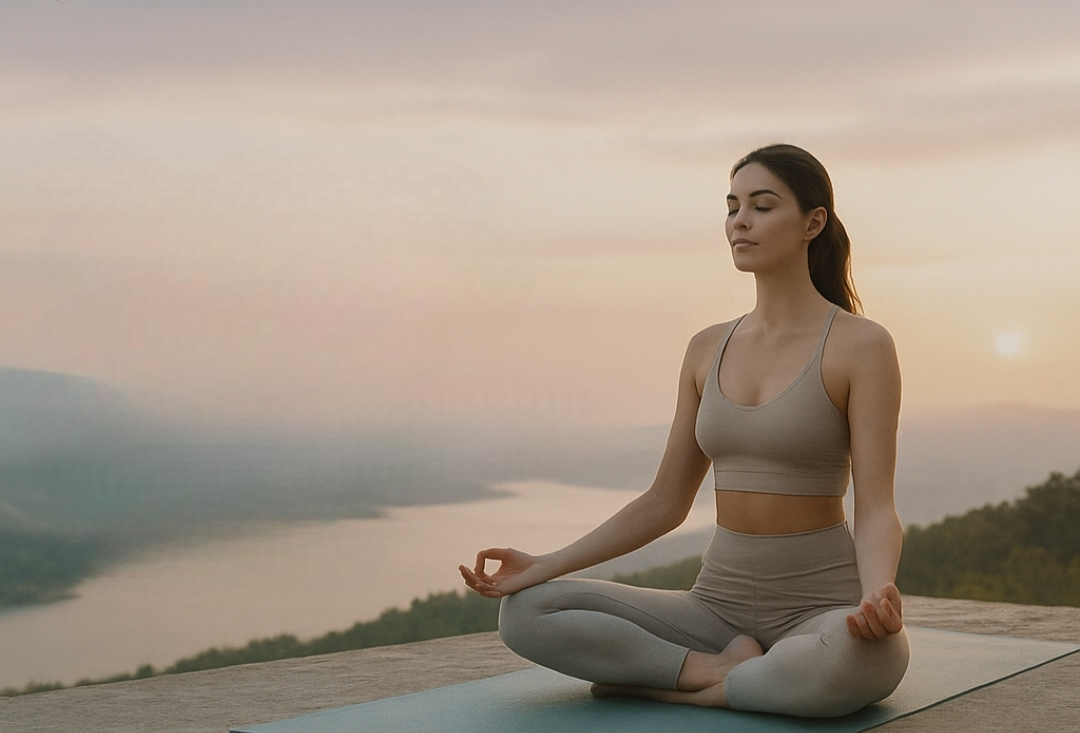
Key Tips for Beginners
- Keep your shoulders, face, and neck relaxed. Only the abdomen should move during exhalation.
- Avoid jerky movements; rhythm and consistency are vital.
- Practice on an empty stomach, preferably early morning.
- Avoid practicing in air-conditioned rooms; warmth supports the cleansing process.
- Stay hydrated before and after your session.
Common Mistakes to Avoid
Even though Kapalbhati feels dynamic, it’s not about raw force or speed. Common mistakes include:
- Overexertion: Forcing breath too aggressively can cause dizziness or fatigue.
- Shoulder Lifting: Unnecessary tension in shoulders or neck reduces effectiveness.
- Irregular Rhythm: Uneven exhalations scatter energy instead of channeling it.
- Posture Collapse: Slouching interrupts airflow and abdominal contraction.
- Ignoring Contraindications: Certain health conditions require avoiding or modifying the practice.
Like any sacred discipline, mindfulness is the key. Kapalbhati is about energy, not competition.
When Not to Practice Kapalbhati
Though powerful, Kapalbhati isn’t for everyone. Avoid this practice if you have:
- High blood pressure or heart disease
- Recent abdominal surgery or hernia
- Pregnancy or postpartum recovery
- Epilepsy or history of seizures
- Severe respiratory conditions (like asthma during flare-ups)
- Gastric ulcers or chronic acidity
Women should avoid Kapalbhati during menstruation, as the strong abdominal contractions could cause discomfort.
Always consult a certified yoga instructor or physician if unsure.
The Glow Factor: Why Kapalbhati Heals Your Radiance
Ever noticed how oxygenated skin glows naturally? Kapalbhati does exactly that, but from within.
Here’s why yogis often talk about Kapalbhati as a beauty ritual as much as a spiritual one:
- Boosted Circulation: Enhanced blood flow bathes your cells in oxygen and nutrients.
- Detox Through Breath: Rapid exhalation removes metabolic waste, giving skin a clear, fresh tone.
- Hormonal Harmony: Balanced endocrine activity reflects in improved skin and mood.
- Stress Detox: Reduced cortisol levels help prevent premature aging.
- Energetic Aura: The forehead, associated with intuition and clarity, literally “brightens”—metaphorically and physically.
That’s how Kapalbhati “heals your glow.” It doesn’t add something artificial; it removes what dulls your natural radiance.
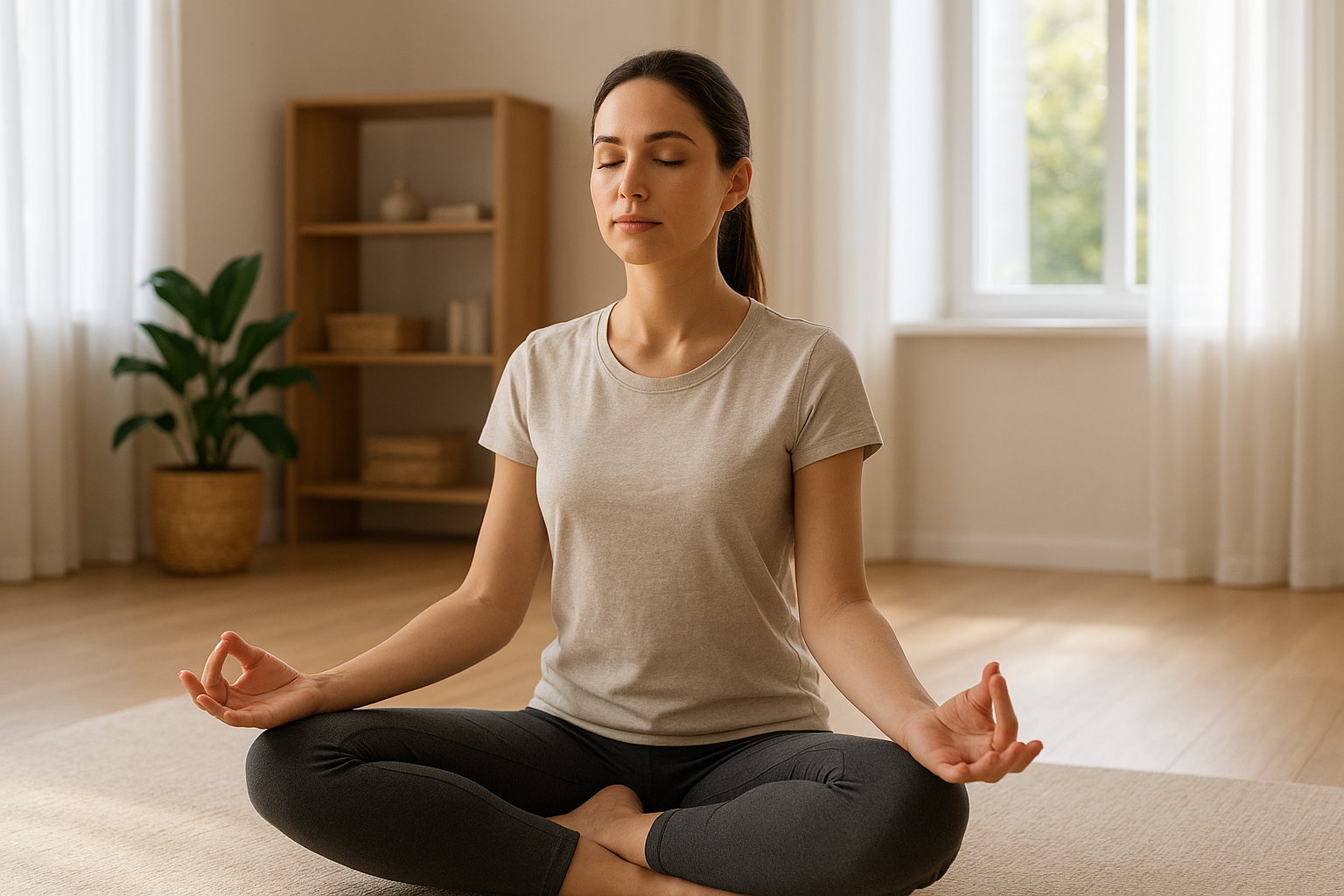
The Fire Within: How It Destroys Laziness
Laziness, in yogic philosophy, isn’t moral failure—it’s tamas, one of the three gunas or fundamental energies. Tamas is heaviness, inertia, resistance to change. Every time you feel lethargic after sleep, food, or emotional fatigue, tamas is in command.
Kapalbhati combats tamas at its energetic source:
- Heat (Agni) Activation: Rapid breathing stokes internal heat, cleansing physical and mental stagnation.
- Pranic Awakening: Each exhale expels sluggish prana (life energy) and draws in fresh vitality.
- Mental Clarity: The rhythmic sound and movement sharpen alertness, breaking inertia.
- Instant Energy Boost: Practicing even a few rounds in the morning feels like sipping natural sunshine.
After a few weeks of consistent practice, you’ll find it’s not just your body waking up—it’s your purpose.
The Yogic Philosophy Behind Kapalbhati
In yogic metaphysics, breath bridges the body and mind. Controlling breath means mastering prana; mastering prana means liberating consciousness.
Kapalbhati is described in traditional texts as a purifier of nadis, or energy channels. Yogic physiology identifies 72,000 such channels that distribute pranic energy throughout the subtle body. Over time, stress, poor habits, and toxins create “blocks” in these pathways. Kapalbhati acts like a spiritual wind, sweeping away energetic debris.
That’s why sages described it as a practice of light. When prana flows freely, the mind becomes luminous, body supple, and face radiant. It’s called the “miracle breath” for a reason—it transforms from the inside out.
The Psychological and Spiritual Benefits
While the visible results are motivating, the true treasure of Kapalbhati lies deeper:
- Mental Detox: Each exhale symbolically releases mental clutter—stress, worry, resentment.
- Heightened Awareness: Continuous focus on breath turns attention inward, fostering mindfulness.
- Emotional Resilience: The rhythmic intensity helps burn emotional stagnation, bringing emotional clarity.
- Spiritual Connection: Practitioners often describe a glowing sense of presence afterward—a taste of pure consciousness.
- Confidence and Willpower: The fiery aspect (Manipura chakra activation) increases determination and courage.
It’s not surprising that seasoned yogis practice Kapalbhati before meditation—the energy clears and nourishes the mind for deeper absorption.
Kapalbhati and Chakra Activation
Yoga considers the subtle body composed of chakras, or energy centers. Kapalbhati notably affects three:
- Manipura Chakra (Solar Plexus): The center of personal power, located near the navel. Kapalbhati activates this chakra, empowering action and motivation.
- Ajna Chakra (Third Eye): Located between the eyebrows, it governs intuition and clarity. Enhanced blood and pranic flow to this region stimulate insight.
- Sahasrara Chakra (Crown): When prana ascends, practitioners may experience a fleeting sense of light or bliss.
Thus, Kapalbhati not only lifts energy upward but also harmonizes the flow between physical vitality and mental illumination.
Kapalbhati for Daily Life: When and How Often
The best time to practice Kapalbhati is early morning, ideally before sunrise, when the air is pure and the mind is calm. Here are some useful patterns:
- Morning Energizer: 3 rounds before breakfast supercharge your day.
- Afternoon Reset: A short session restores focus during mid-day slump.
- Pre-Meditation: Warm-up for deeper stillness and sharper concentration.
Start with 5 minutes daily, gradually building to 15 minutes. Consistency matters more than intensity. Within a month, you’ll notice higher energy levels and sharper mental clarity.
Pairing Kapalbhati With Other Practices
Kapalbhati works best as part of a holistic yoga routine. Combine it with:
- Anulom Vilom (Alternate Nostril Breathing): For calming and balancing after the fiery Kapalbhati.
- Bhastrika Pranayama: To intensify energy production and strengthen lungs.
- Surya Namaskar (Sun Salutation): Pairing breath with movement magnifies the detox effect.
- Meditation or Yoga Nidra: After Kapalbhati, the mind naturally slips into deeper stillness.
A balanced yoga sadhana—purification, balance, silence—creates transformation that lasts.
The Emotional Reset You Didn’t Know You Needed
Modern fatigue isn’t just physical—it’s emotional. Our endless to-do lists, notifications, and digital immersion keep our minds buzzing but leave our emotional batteries drained. Kapalbhati works like an inner defibrillator, restarting joy and enthusiasm for life.
Regular practitioners often report:
- Feeling emotionally lighter
- Reduced anxiety and irritability
- Clearer thought processes
- Greater self-motivation
- Easier recovery from low moods
This isn’t placebo—it’s prana in motion. Breath is the most direct pathway to influence how you feel, and Kapalbhati is breath empowerment at its best.
Testimonials and Modern Evidence
Many yoga enthusiasts and wellness professionals have testified to Kapalbhati’s transformative power.
Studies support its benefits too:
- Research from the Indian Journal of Physiology and Pharmacology (2018) found that Kapalbhati improved pulmonary function and reduced resting heart rate in healthy adults.
- A 2020 study from AIIMS, New Delhi, noted significant stress reduction and increased brain-derived neurotrophic factor (BDNF), which supports mental resilience.
- Clinical practitioners use it as a supportive therapy for conditions like obesity, insulin sensitivity issues, and mild depression.
Science now echoes what yogis discovered centuries ago—your breath can heal you.
Kapalbhati and Modern Lifestyles
Why has Kapalbhati become so relevant today? Because our lives are saturated with stagnation—mental, physical, and digital.
- Sedentary Work: Hours of sitting reduce oxygen flow, leading to fatigue and dullness.
- Inbox Stress: Multitasking and overexposure to technology scatter mental focus.
- Sleep Disturbances: Poor sleep from overstimulation leaves the nervous system sluggish.
- Overindulgence: Heavy diets, caffeine, and alcohol all slow metabolism.
Kapalbhati, practiced daily, resets this imbalance. In ten minutes, you can flush toxins, awaken your nervous system, and re-spark joy. It’s the cheapest energy booster you’ll ever find—powered by your lungs.
A Ritual for Yoga Day
On Yoga Day, as cities across the world host mass sunrise yogathons, Kapalbhati holds a special place. It represents both ancient discipline and modern empowerment.
Here’s how you can honor Yoga Day through this practice:
- Set the Intention: As the sun rises, dedicate your breath to renewal—personal and planetary.
- Find Silence: Join a public yoga session or create your private corner.
- Practice with Collective Energy: Feel the unity of millions breathing together.
- Meditate Afterward: Stay in stillness for 5–10 minutes. Absorb the strength of your own vitality.
Through each exhalation, imagine clearing personal heaviness; through each inhalation, visualize accepting light. This ritual reminds us that healing doesn’t always come from outside—it often starts with breath.
Spiritual Reflection: The Inner Alchemy
Kapalbhati reflects one of yoga’s profound truths—transformation through purification. The technique embodies the ancient principle of Tapas (discipline and heat). Tapas burns impurities not only in the body but also within the mind.
When practiced consciously, Kapalbhati becomes a meditation on letting go:
- Each exhale releases ego, fear, doubt.
- Each inhale receives clarity, faith, courage.
- Slowly, you create space inside—a luminous calm.
This is the alchemy: turning the heaviness of inertia into radiant awareness. Over time, your breath no longer just sustains life—it awakens it.
Modern Adaptations and Mindful Breathing
For those living in cities or high-stress jobs, a gentle version of Kapalbhati offers the same mental clarity with less intensity.
Try Mini Kapalbhati:
- Sit comfortably at your desk.
- Take 20–30 gentle exhalations.
- Keep focus on your abdomen without straining.
- End with one deep calming breath.
Even 2 minutes during a break clears brain fog and lifts focus—a micro-meditation hidden inside modern life.
A Journey from Breath to Brilliance
In yogic wisdom, your external glow mirrors your inner frequency. Kapalbhati raises both. It detoxifies the body, purifies the mind, and sharpens energy channels, giving rise to a glow that cosmetics can’t create.
Regular practitioners often describe their transformation like this:
“At first, it felt like hard work. Then one day, the breath got lighter, my mind clearer, and my mornings brighter. I didn’t just feel healthier—I felt awake again.”
That’s the promise of Kapalbhati: To awaken the light that laziness once dimmed.
Integrating Kapalbhati Into Your Lifestyle
To make Kapalbhati a daily ritual, weave it gently into your schedule:
- Morning: Right after brushing your teeth, do 3 rounds. Follow with meditation or silent sitting.
- Midday Reset: A short session boosts productivity without caffeine.
- Evening Detox: Gentle Kapalbhati before dinner freshens your system after a long day.
Pair it with wholesome habits:
- Eat light, plant-rich meals.
- Hydrate well.
- Sleep early to restore your nervous system.
- End your day with gratitude breathing—slow and mindful.
Transformation is subtle but consistent. Over weeks, you’ll discover a sense of vitality that no energy drink can replicate.
The Symbolism of Breath in Yoga
In all yogic traditions, breath symbolizes spirit. The Sanskrit word prana translates both as “breath” and “life force.”
When you practice Kapalbhati, you don’t merely breathe; you participate in the flow of creation itself. Each breath becomes an act of renewal—a reminder that as long as you breathe consciously, you can recreate your energy and reshape your day.
This is why Kapalbhati is often referred to as the yoga of awakening. It doesn’t just make you alert—it helps you remember your aliveness.
Celebrating Yoga Day with Conscious Vitality
Yoga Day offers an invitation not just to move but to awaken collective consciousness. As communities gather in parks and studios, the synchronized rhythm of breathing becomes a global heartbeat.
Imagine millions of people inhaling light and exhaling heaviness together—this is planetary healing in motion.
Practicing Kapalbhati in such settings amplifies its transformative field. It’s not merely a technique; it’s a celebration of life force itself.
So, on this Yoga Day, as the first sunbeam touches your forehead:
- Sit tall.
- Inhale gently.
- Exhale powerfully.
- Feel your energy rise.
You are not lazy, tired, or distracted anymore; you are radiant, grounded, and alive.
Conclusion: The Miracle Within Every Breath
Kapalbhati is often called the miracle breath not because of superstition—but because it mirrors the miracle that is you. Within the simple act of exhalation lies the power to cleanse, energize, and transform.
As the ancient yogic saying goes:
“He who controls the breath, controls the mind. He who controls the mind, masters life.”
When you practice Kapalbhati with dedication, the laziness that once chained you becomes fuel for determination. You no longer need external motivation; your breath itself becomes your guide.
This Yoga Day—and every day after—gift yourself this miracle.
Because when your breath shines, you shine.