Namaste meaning is much more than a simple greeting often used at the end of yoga classes worldwide—it is a word imbued with centuries of cultural, spiritual, and philosophical significance in India and South Asia. While many Western practitioners know namaste as “the divine in me honors the divine in you,” its story is deeper, richer, and fraught with common misconceptions that often distort its beautiful truth.

What Does Namaste Really Mean?
is a Sanskrit word, derived from the roots “namah,” meaning bow or salutations, and “te,” meaning to you. When combined, namaste literally translates to “I bow to you.” In practice, it is a gesture symbolizing humility, respect, and the effort to dissolve one’s ego in the presence of another, recognizing the sacredness within each being.
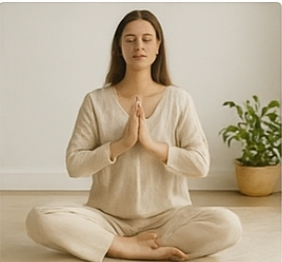
The gesture that accompanies the greeting—palms pressed together at the chest or forehead and a gentle bow—further expresses reverence and self-effacement, not simply a casual or fashionable sign-off at the close of a yoga session.

The Spiritual Significance
Far beyond its literal translation, carries a deeply spiritual message. In Hindu and yogic philosophy, it acknowledges the divinity present in every individual—the spark of the universal consciousness that links all beings together. Saying namaste is an affirmation: “The divine light in me honors the divine light in you.” This sentiment reminds us to see beyond physical and superficial differences and recognize our shared essence.
In ancient sacred texts, such as the Rigveda and the Atharvaveda, the act of bowing or offering salutations is seen as an act of surrender and respect—qualities at the heart of a spiritual path. When practiced with awareness, namaste is a practice of unity, compassion, and the dissolution of ego boundaries.
How Did Namaste Become Associated With Yoga?
adoption by yoga practitioners across the globe is relatively recent. Traditionally, namaste was (and still is) used daily in India as both a greeting and farewell, across various contexts—spiritual, social, and even professional. In the West, its rise to prominence came with the global spread of yoga, where it was embraced as a symbolic close to yoga classes, signifying gratitude, respect, and a sense of collective harmony.
Often, teachers use namaste to create a sense of authenticity or to foster a spiritual atmosphere at the end of a practice. However, the primary use of namaste in native Indian contexts is not limited to yoga; it’s a respectful and ordinary greeting among people of all ages.
The Beautiful Truth of Namaste
At its heart, is a beautiful invocation of unity, peace, and humility. It asks us to meet each person, not merely as a separate individual, but as a reflection of the same universal spirit. The act of bowing with folded hands places us in a position of receptivity and mutual respect, reminding us of the greater web of connection that weaves through all life.
In practice, whether used in a yoga class, a temple, or an everyday Indian home, namaste invites us to cultivate mindfulness, gratitude, and genuine respect towards all beings. It is an opportunity to pause, soften the ego, and meet each person as a spiritual equal.
Hidden Misconceptions and Western Misappropriation
Yet, as traveled across cultures, it acquired layers of misunderstanding—some innocent, others problematic. In many Western yoga studios, it is often imbued with mystical, exaggerated interpretations, such as “the belief that there is a Divine spark within each of us,” or “the divine light in me bows to the divine light within you”. While spiritually meaningful, these translations may obscure the word’s true humility and everyday usage in its home cultures.
One misconception is that namaste is exclusively spiritual or reserved only for sacred encounters. In reality, it is also a secular greeting in Indian society, performed daily in both casual and formal settings. Another misconception is pronouncing it in ways that obscure its actual meaning, such as “na-mas-tay” or punning on it in commercial slogans—ways that dilute its essence and can border on cultural appropriation or misunderstanding.
Furthermore, the practice of only saying namaste at the end of yoga classes—as is prevalent in the West—is unfamiliar and sometimes confusing to those who use the word fluently in daily life. For many South Asians, the sight of namaste on merchandise and in popular culture can feel like a shallow or even offensive reduction of their culture’s deep and nuanced traditions.
and the Question of Cultural Appropriation
With yoga’s popularity booming worldwide, the use (and misuse) of raises important questions about cultural respect and understanding. While yoga offers a valuable path to spiritual growth, mindfulness, and health, it is vital for practitioners to approach its symbols and terminologies with sensitivity and curiosity.
Saying namaste should ideally be an act of informed respect, not just a borrowed phrase to make a practice feel “authentic” or “spiritual”. Taking the time to learn the word’s roots, pronunciation, and context can transform a simple word into a powerful practice of honoring the cultures and philosophies that nourish yoga’s wisdom.
The Proper Way to Say and Use Namaste
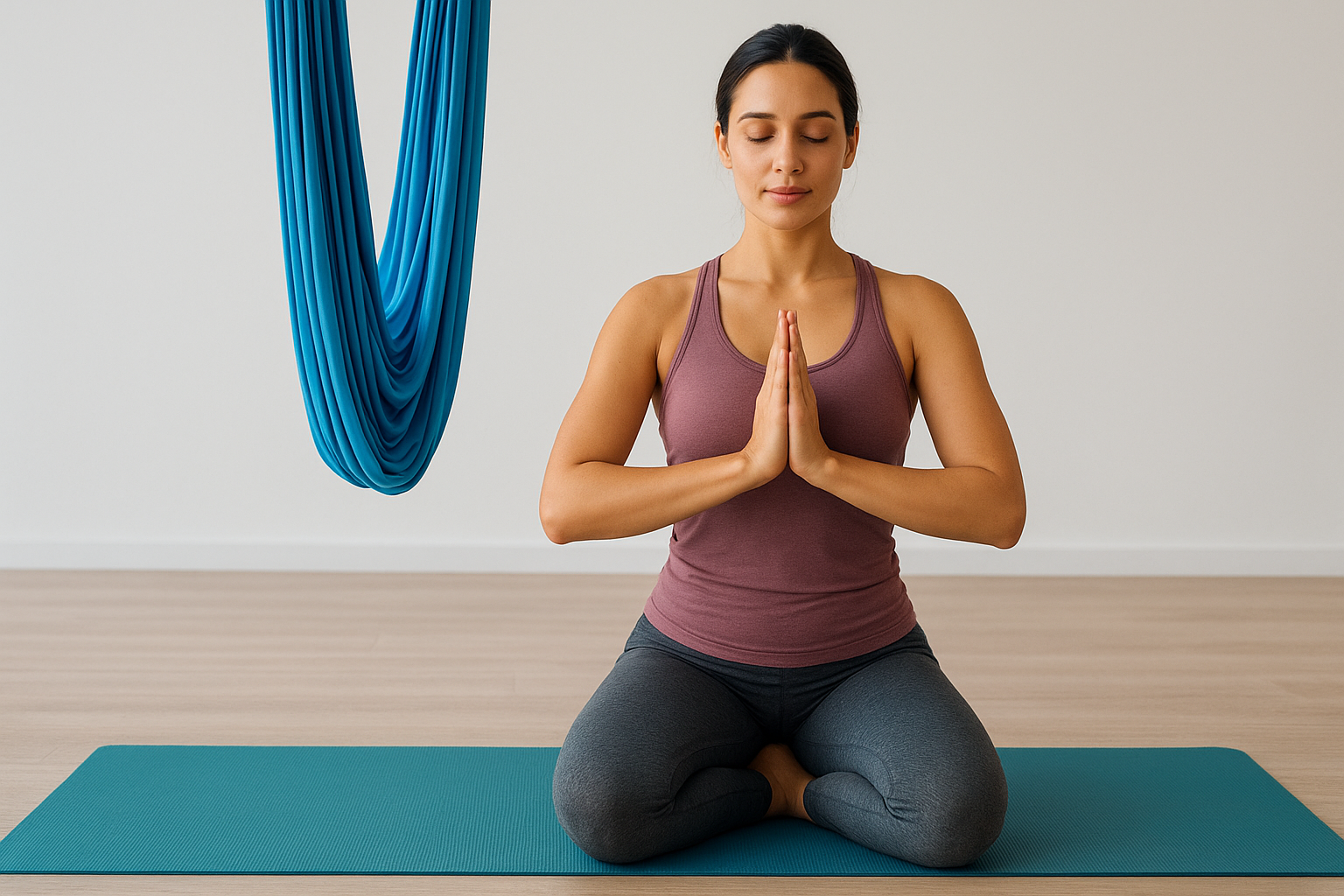
In India, is spoken while joining the palms together at the heart or forehead and offering a gentle bow. The gesture, known as anjali mudra, symbolizes honor, equality, and the dissolution of ego. The pronunciation is closer to “nuh-muh-stheh,” rather than the Anglicized “nah-mah-stay”.
It is appropriate as both a greeting and departure, as well as a respectful response to elders, teachers, and strangers alike. In the context of yoga, when offered with genuine awareness, it bridges the teachings of unity and humility beyond the mat and into everyday life.
Namaste as a Practice of Mindfulness
To truly embrace is to invite mindfulness into every interaction—treating every person, moment, and encounter as sacred and worthy of respect. Whether spoken aloud or silently in the mind, it serves as a pause, a centering breath, a brief but transformational act of seeing the light or worthiness in oneself and another.
Common Myths About Namaste
- Namaste is strictly spiritual: Namaste is also a daily greeting in Indian culture and extends beyond exclusively religious or spiritual encounters.
- Namaste means “peace” or “hello”: These are partial interpretations; the deeper meaning ties to humility, honor, and the acknowledgment of another’s inner divinity or worthiness.
- Only said at the end of yoga: Namaste can be used at both the start or end of a session and is not reserved only for yoga practice.
- All Indians use namaste: While common, there are many other greetings in Indian languages, and not all cultural groups or regions use namaste (e.g., “vanakkam” in Tamil, “namaskara” in Kannada).
Embracing Namaste With Integrity
Welcoming the wisdom of namaste into yoga practice (and life) means more than just reciting a word. It is a call to cultivate humility, self-reflection, and respect. For yoga practitioners, teachers, and enthusiasts around the world, understanding the origins and depth of namaste enriches both personal practice and cultural empathy.
Pausing to learn about —and perhaps correcting a few misconceptions—opens a door to greater mindfulness, community, and appreciation for the wisdom traditions that have shaped yoga for millennia.
What Does Really Mean?
is a Sanskrit word, derived from the roots “namah,” meaning bow or salutations, and “te,” meaning to you. When combined, namaste literally translates to “I bow to you.” In practice, it is a gesture symbolizing humility, respect, and the effort to dissolve one’s ego in the presence of another, recognizing the sacredness within each being.
The gesture that accompanies the greeting—palms pressed together at the chest or forehead and a gentle bow—further expresses reverence and self-effacement, not simply a casual or fashionable sign-off at the close of a yoga session.
The Spiritual Significance of Namaste
Far beyond its literal translation, namaste carries a deeply spiritual message. In Hindu and yogic philosophy, it acknowledges the divinity present in every individual—the spark of the universal consciousness that links all beings together. Saying namaste is an affirmation: “The divine light in me honors the divine light in you.” This sentiment reminds us to see beyond physical and superficial differences and recognize our shared essence.
In ancient sacred texts, such as the Rigveda and the Atharvaveda, the act of bowing or offering salutations is seen as an act of surrender and respect—qualities at the heart of a spiritual path. When practiced with awareness, namaste is a practice of unity, compassion, and the dissolution of ego boundaries.
How Did Namaste Become Associated With Yoga?
Namaste’s adoption by yoga practitioners across the globe is relatively recent. Traditionally, was (and still is) used daily in India as both a greeting and farewell, across various contexts—spiritual, social, and even professional. In the West, its rise to prominence came with the global spread of yoga, where it was embraced as a symbolic close to yoga classes, signifying gratitude, respect, and a sense of collective harmony.
Often, teachers use namaste to create a sense of authenticity or to foster a spiritual atmosphere at the end of a practice. However, the primary use of namaste in native Indian contexts is not limited to yoga; it’s a respectful and ordinary greeting among people of all ages.
The Beautiful Truth of Namaste
At its heart, is a beautiful invocation of unity, peace, and humility. It asks us to meet each person, not merely as a separate individual, but as a reflection of the same universal spirit. The act of bowing with folded hands places us in a position of receptivity and mutual respect, reminding us of the greater web of connection that weaves through all life.
In practice, whether used in a yoga class, a temple, or an everyday Indian home, namaste invites us to cultivate mindfulness, gratitude, and genuine respect towards all beings. It is an opportunity to pause, soften the ego, and meet each person as a spiritual equal.
Hidden Misconceptions and Western Misappropriation
Yet, as namaste traveled across cultures, it acquired layers of misunderstanding—some innocent, others problematic. In many Western yoga studios, it is often imbued with mystical, exaggerated interpretations, such as “the belief that there is a Divine spark within each of us,” or “the divine light in me bows to the divine light within you”. While spiritually meaningful, these translations may obscure the word’s true humility and everyday usage in its home cultures.
One misconception is that namaste is exclusively spiritual or reserved only for sacred encounters. In reality, it is also a secular greeting in Indian society, performed daily in both casual and formal settings. Another misconception is pronouncing it in ways that obscure its actual meaning, such as “na-mas-tay” or punning on it in commercial slogans—ways that dilute its essence and can border on cultural appropriation or misunderstanding.
Furthermore, the practice of only saying namaste at the end of yoga classes—as is prevalent in the West—is unfamiliar and sometimes confusing to those who use the word fluently in daily life. For many South Asians, the sight of namaste on merchandise and in popular culture can feel like a shallow or even offensive reduction of their culture’s deep and nuanced traditions.
Namaste and the Question of Cultural Appropriation
With yoga’s popularity booming worldwide, the use (and misuse) of namaste raises important questions about cultural respect and understanding. While yoga offers a valuable path to spiritual growth, mindfulness, and health, it is vital for practitioners to approach its symbols and terminologies with sensitivity and curiosity.
Saying should ideally be an act of informed respect, not just a borrowed phrase to make a practice feel “authentic” or “spiritual”. Taking the time to learn the word’s roots, pronunciation, and context can transform a simple word into a powerful practice of honoring the cultures and philosophies that nourish yoga’s wisdom.
The Proper Way to Say and Use
In India, is spoken while joining the palms together at the heart or forehead and offering a gentle bow. The gesture, known as anjali mudra, symbolizes honor, equality, and the dissolution of ego. The pronunciation is closer to “nuh-muh-stheh,” rather than the Anglicized “nah-mah-stay”.
It is appropriate as both a greeting and departure, as well as a respectful response to elders, teachers, and strangers alike. In the context of yoga, when offered with genuine awareness, it bridges the teachings of unity and humility beyond the mat and into everyday life.
Namaste as a Practice of Mindfulness
To truly embrace is to invite mindfulness into every interaction—treating every person, moment, and encounter as sacred and worthy of respect. Whether spoken aloud or silently in the mind, it serves as a pause, a centering breath, a brief but transformational act of seeing the light or worthiness in oneself and another.
Common Myths About Namaste
- Namaste is strictly spiritual: is also a daily greeting in Indian culture and extends beyond exclusively religious or spiritual encounters.
- Namaste means “peace” or “hello”: These are partial interpretations; the deeper meaning ties to humility, honor, and the acknowledgment of another’s inner divinity or worthiness.
- Only said at the end of yoga: Namaste can be used at both the start or end of a session and is not reserved only for yoga practice.
- All Indians use namaste: While common, there are many other greetings in Indian languages, and not all cultural groups or regions use namaste (e.g., “vanakkam” in Tamil, “namaskara” in Kannada).
Embracing With Integrity
Welcoming the wisdom of into yoga practice (and life) means more than just reciting a word. It is a call to cultivate humility, self-reflection, and respect. For yoga practitioners, teachers, and enthusiasts around the world, understanding the origins and depth of namaste enriches both personal practice and cultural empathy.
Pausing to learn about namaste—and perhaps correcting a few misconceptions—opens a door to greater mindfulness, community, and appreciation for the wisdom traditions that have shaped y
Namaste in Hinduism, Buddhism, and Jainism
The beauty of Namaste lies in its universality across India’s philosophical traditions. In Hinduism, it is much more than a sociocultural greeting—it is a spiritual expression of reverence, humility, and gratitude. Within Buddhist communities, the gesture accompanies acts of devotion and mindfulness, symbolizing recognition of interconnectedness. In Jainism, Namaste is a part of the daily litany and rituals, emphasizing non-violence (ahimsa) through honoring every soul.
During major Hindu festivals, such as Navratri and Diwali, greeting elders, peers, and even strangers with Namaste is a reinforcement of shared values: humility, respect, and gratitude. These deeply rooted customs are reminders of the sacredness woven into everyday life in India.
The Anjali Mudra: The Sacred Gesture
Central to Namaste is the Anjali Mudra—palms pressed together at the heart chakra (Anahata), accompanied by a gentle bow. This physical mudra is a ritual in itself, bridging the gap between the mundane and the sacred. It unites body, mind, and spirit, reflecting not only gratitude and respect but also the desire for spiritual integration. Symbolically, the joining of palms signifies the unity of dualities—left/right, masculine/feminine, individual/divine.
In yogic philosophy, Anjali Mudra is believed to harmonize both hemispheres of the brain and align personal energy with universal consciousness. The intention set through this mudra—peace, humility, devotion—transforms a simple greeting into a spiritual practice.
Historical Depth and Etymology
Namaste is referenced in ancient Sanskrit scriptures, including the Rigveda and Atharvaveda, as an act of reverential salutation. Evidence of similar gestures can be traced to Indus Valley Civilisation figurines, illustrating its ancient lineage and continuity. Over the centuries, this greeting has transcended language barriers within India—becoming “Namaskara” in Kannada, “Vanakkam” in Tamil, “Nomoskar” in Bengali—each expressing the same spirit of respect.
In Sanskrit, the terms “te” and “tvam” used in Namaste reflect a familiar and warm inflection. The use of “Namas-te” in both social and sacred contexts strengthens the idea that this greeting addresses both the outer individual and the inner divinity. Variations like “Namo vām” (for two recipients) and “Namo vaḥ” (for groups) reveal its grammatical sophistication and cultural specificity.
Namaste as a Living Tradition
Namaste is woven intricately into the fabric of daily life in India. Whether welcoming a guest, meeting elders, or even greeting strangers, the hand gesture and greeting are performed countless times a day. It is seen in homes, temples, schools, and official gatherings. Even children are taught to greet visitors with Namaste as a sign of good manners and cultural pride.
The deep spiritual roots of the practice are accompanied by practical social wisdom: joining hands with a bow signals openness, non-aggression, and acknowledgment of another’s worth. Especially in a world where physical contact might be inappropriate or unwelcome, Namaste is a gentle, respectful way to connect across boundaries.
The Symbolism of the Heart Chakra
Bringing the palms together at the heart’s center is highly symbolic in yogic and spiritual traditions. The heart chakra (Anahata), located at the center of the chest, is believed to be the seat of love, compassion, and connection. Gesturing Namaste at this point reinforces the intention to interact with others from an authentic and compassionate place within oneself.
Practicing Namaste, then, is more than a habitual act—it is a conscious effort to be present, to meet others (and oneself) with kindness and honor, and to align intentions with the highest principles of unity and peace.
Namaste’s Contemporary Evolution
Today, Namaste is a global symbol for peace, unity, and respect. Its presence is visible not just in yoga studios or meditation centers outside India but also in international forums, diplomatic meetings, and wellness retreats. During the COVID-19 pandemic, leaders around the world adopted the Namaste gesture as a means of greeting without physical contact, further solidifying its universal relevance.
However, as Namaste traverses cultures, its meaning continues to evolve—and sometimes, to be misunderstood. Its growing popularity serves as both an opportunity for deeper understanding and a reminder of the responsibility to honor its origins respectfully.
Respecting the Cultural Context
Using Namaste with awareness and cultural appreciation is critical. For those not raised in Indian traditions, learning and practicing the correct pronunciation, gesture, and context is a form of respect. Avoiding the commodification or trivialization of Namaste—such as using it in commercial slogans or memes—protects the significance of the practice for those to whom it remains sacred.
Within India itself, Namaste is often used in secular contexts, much like “hello,” yet its spiritual and social undertones remain ever-present. This dual usage highlights how words and gestures can serve multiple purposes—connecting worlds of spirit and society seamlessly.
Final Reflections: The Living Soul of Namaste
Ultimately, Namaste is more than the sum of its etymology, ritual, and history. It is a living truth—a daily invitation to see and honor the sacred in every being we encounter. It encourages humility, dissolves barriers, and builds bridges of compassion. Whether exchanged in a bustling market or a quiet temple, at the end of yoga or the beginning of a journey, Namaste holds the power to transform how we relate to the world.
Approaching Namaste with awareness allows every yoga practitioner and global citizen to move beyond superficiality and into authentic, embodied presence.