Introduction: A Journey from Inner Awakening to Outer Turmoil
Isha Foundation Adiyogi a world filled with chaos, distraction, and a thirst for meaning, yoga has become both a refuge and a revolution. From fitness studios in New York to ashrams in Coimbatore, yoga has evolved into a global phenomenon that transcends religion, geography, and language. At the heart of this spiritual wave stands the Isha Foundation’s Adiyogi, symbolizing the origin of yoga and the timeless journey toward self-realization. Isha Foundation Adiyogi Yet, parallel to this sacred pursuit lies a web of discontent, shaped by controversies surrounding Bikram Yoga and debates about authenticity, commercialization, and ethics.
This intersection between Adiyogi’s spiritual magnificence and the ethical shadows of Bikram Yoga forms a landscape rich with insight and introspection. As we explore the inspiring power of Raja Yoga, the path of meditative mastery, we uncover why the Isha Foundation’s approach stands apart — and why the essence of yoga must forever remain rooted in awareness, integrity, and inner transformation.
The Isha Foundation and the Legacy of Adiyogi
Isha Foundation Adiyogi Founded by Sadhguru Jaggi Vasudev in 1992, the Isha Foundation has emerged as one of the world’s most influential spiritual organizations. Positioned in the lush foothills of the Velliangiri Mountains in Tamil Nadu, India, the foundation serves as a beacon for spiritual seekers from every corner of the world. Its centerpiece — the 112-foot-tall Adiyogi statue — stands as a monumental tribute to the first yogi, symbolizing humanity’s potential for the ultimate consciousness.
Isha Foundation Adiyogi The number 112 holds deep yogic significance: according to ancient scriptures, there are 112 ways through which human beings can attain enlightenment. The Adiyogi statue thus represents not just an icon but an invitation — an open call to transcend the limitations of the body and mind through the discipline of yoga.
Isha’s Core Mission
- To revive classical yoga in its purest form.
- To make meditative practices accessible to modern lives.
- To integrate spirituality, ecology, and education.
Unlike the modern fitness-oriented versions of yoga that dominate Western studios, Isha’s teachings emphasize inner engineering — a process that aligns body, mind, emotions, and energy to bring balance and bliss from within.
Understanding Raja Yoga: The Royal Path of Union
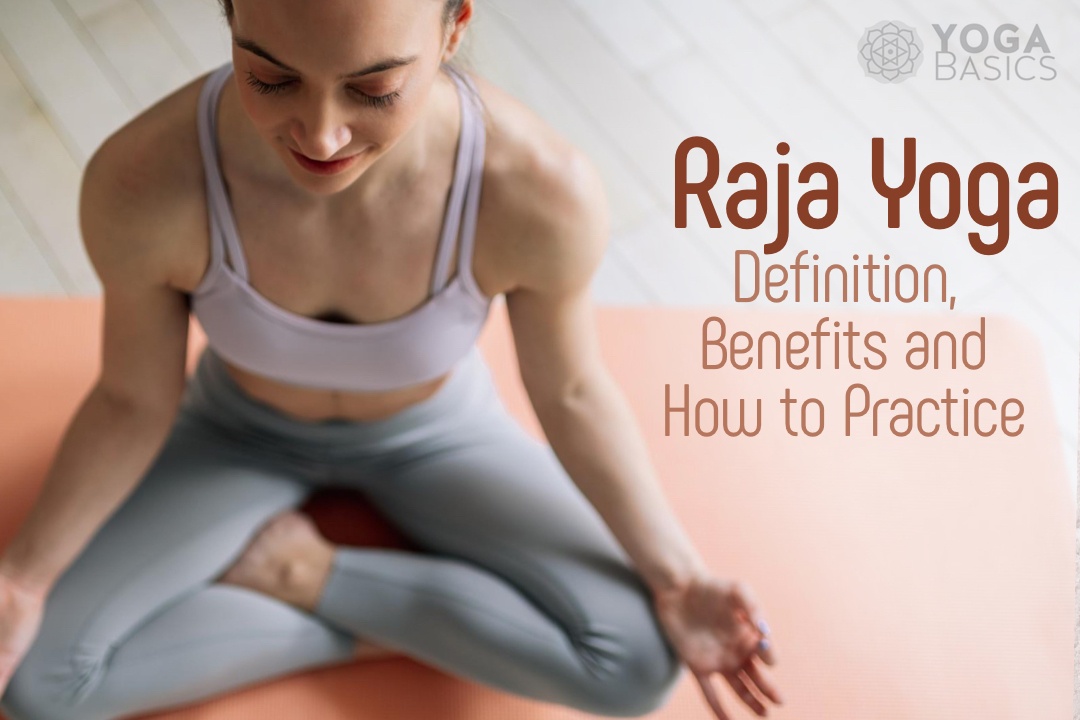
Isha Foundation Adiyogi and Raja Yoga, often called the “royal path,” is one of the four classical schools of yoga described in Patanjali’s Yoga Sutras. It focuses primarily on mental mastery through meditation, concentration, and ethical discipline. If Hatha Yoga is the body’s science, Raja Yoga is the mind’s alchemy.
Patanjali outlines Eight Limbs of Yoga (Ashtanga Yoga), forming the foundation of Raja Yoga:
- Yama – Ethical restraints such as truth, non-violence, and moderation.
- Niyama – Observances including discipline, self-study, and contentment.
- Asana – Physical postures that prepare the body for meditation.
- Pranayama – Regulation of breath to harmonize energy flow.
- Pratyahara – Withdrawal of the senses from external distractions.
- Dharana – Concentration of the mind.
- Dhyana – Deep meditative absorption.
- Samadhi – The ultimate union with universal consciousness.
Through these steps, Raja Yoga cultivates clarity, focus, and spiritual maturity — leading to liberation (moksha).
For the Isha Foundation, Raja Yoga isn’t a concept but a lived reality. Sadhguru emphasizes that yoga begins when we transcend mere physical postures and enter dimensions of stillness and awareness. Meditation, in this framework, becomes not a relaxation technique but a science of self-realization.
Adiyogi as a Symbol of Limitless Possibility
The Adiyogi statue, consecrated by Sadhguru in 2017, stands not merely as art but as energy architecture. Designed to radiate powerful spiritual vibrations, it draws millions of visitors annually. Isha Foundation Adiyogi Built from steel and designed with exacting geometrical precision, it embodies alignment — not just physical, but cosmic.
Symbolism of Adiyogi
- The half-closed eyes represent the balance between the material and the spiritual.
- The calm expression embodies inner stillness amid chaos.
- The flowing locks signify freedom from societal constructs.
More than a monument, Adiyogi is a reminder: the potential of human consciousness is infinite. While modern yoga trends may fixate on physical form, the Adiyogi calls humanity to return to the essence — transformation from within. Isha Foundation Adiyogi
The Rise of Bikram Yoga: From Discovery to Disillusionment
In the 1970s, Bikram Choudhury introduced a new yoga system in the United States — a blend of 26 rigid postures practiced in a heated room. Promoted as a miraculous route to health, vitality, and confidence, Bikram Yoga achieved instant global popularity. Studios spread across continents, and practitioners included celebrities, athletes, and wellness enthusiasts.
However, alongside fame came a storm of controversy. Bikram Choudhury’s name became entangled with lawsuits, accusations of misconduct, and ethical violations. Isha Foundation Adiyogi Eventually, his empire shattered, leaving behind a divided yoga community questioning authenticity and spiritual integrity.

The Ethical Divide: Commercial Yoga vs. Classical Discipline
The Isha Foundation’s approach and Bikram Yoga’s commercial model stand as polar opposites on the yoga spectrum. The former emphasizes transcendence, awareness, and service; the latter often reflects material success, exclusivity, and branding.
| Aspect | Isha Foundation (Adiyogi) | Bikram Yoga |
|---|---|---|
| Philosophy | Rooted in spiritual evolution and ancient yogic sciences. | Focused on physical health, detox, and aesthetic benefits. |
| Approach | Holistic—includes meditation, kriya, and community service. | Structured routine of 26 postures under heat. |
| Ethics | Conducted by trained volunteers under strong moral discipline. | Centered on a charismatic leader with ethical controversies. |
| Accessibility | Open to all, often free or donation-based. | Commercially franchised and expensive. |
| Goal | Liberation and inner balance. | Physical transformation and performance. |
The difference arises not just in practice but in intention. Isha Foundation’s work reminds practitioners that yoga is not a fitness routine but a path to freedom. Bikram’s downfall, meanwhile, underscores how detachment from yogic values can lead to spiritual and moral decay.
Raja Yoga and the Power of Inner Leadership
Isha Foundation Adiyogi Inner leadership is the hallmark of Raja Yoga — mastering one’s emotions, behavior, and consciousness to lead without control. In the corporate world, leadership often revolves around systems, people, and profit. In yoga, it concerns awareness, balance, and compassion.
Sadhguru often highlights that Raja Yoga is like becoming the monarch of one’s internal kingdom. Through deep meditation, one learns to:
- Reduce emotional turbulence.
- Overcome mental distraction.
- Expand awareness beyond personal identity.
Isha Foundation Adiyogi This inner stability translates into outer success. Leaders, teachers, and entrepreneurs who adopt principles of Raja Yoga report improved focus, empathy, and clarity. The Isha Foundation’s programs like Inner Engineering and Shambhavi Mahamudra Kriya embody this transformation.
The Shadow Side of Fame: Lessons from the Bikram Yoga Saga
The Bikram Yoga controversy teaches invaluable lessons about spiritual leadership and integrity. Choudhury’s rise and fall illustrate how ego, when unchecked by ethical boundaries, can distort even the most sacred teachings. Isha Foundation Adiyogi
Some of the major concerns that surfaced include:
- Authoritarian control in yoga teacher training.
- Financial exploitation through franchising.
- Allegations of abuse and misconduct.
Isha Foundation Adiyogi These revelations forced many yoga practitioners to reevaluate what “authentic yoga” truly means. It also sparked a broader movement urging mindfulness, consent, and humility within spiritual communities.
In contrast, organizations like the Isha Foundation emphasize transparency, volunteerism, and community involvement — values that help prevent the power imbalance often seen in guru-centric institutions.
The Power Word: Transformation
Transformation — the most potent power word in the realm of yoga — runs like a current through both Isha’s initiatives and the essence of Raja Yoga. True transformation is not a makeover but a metamorphosis — a breaking of limitations, a crossing into boundless awareness.
At Adiyogi, seekers undergo meditation programs that don’t merely teach techniques but reshape perception. Many participants describe experiences of:
- Heightened presence and stillness.
- Relief from anxiety and stress.
- A newfound sense of responsibility toward the planet.
Such transformation cannot be bought; it must be earned through discipline, consistency, and surrender.
Integrating Bikram Yoga with Awareness: A Balanced View
It’s important to note that Bikram Yoga, despite its tarnished reputation, helped millions experience yoga’s tangible health benefits. The heated environment aids flexibility and detoxification, promoting cardiovascular strength and endurance. However, without the philosophical foundation of yoga, physical benefits risk being superficial.
The key lies in integration — merging Bikram’s physical discipline with Raja Yoga’s meditative core. When posture (asana) serves as preparation for stillness, yoga regains its sacred role as a bridge to consciousness. The Isha Foundation’s teachings remind practitioners to use the body as a tool, not an identity.
The Adiyogi Ecosystem: Blending Ecology and Enlightenment
Beyond yoga, Isha Foundation’s activities represent a larger movement toward holistic living. Through initiatives like Project GreenHands, Rally for Rivers, and Cauvery Calling, Sadhguru’s organization integrates spirituality with sustainability. The message is simple: inner balance must reflect as outer harmony.
At the Adiyogi complex, visitors often describe a palpable energy field — a sense of silent guidance urging mindfulness and compassion. It’s not just a site for meditation; it’s a living classroom where spiritual experience and ecological consciousness coexist.
Science Meets Spirituality
Modern neuroscience supports many insights that ancient yogis intuitively discovered. Research shows that yogic practices like meditation and pranayama alter brain structures associated with attention, empathy, and self-regulation. Raja Yoga, in particular, promotes neuroplasticity — rewiring neural circuits for calmness and resilience.
Studies also confirm that such practices lower cortisol, reduce inflammation, and improve mental health. Thus, even from a scientific standpoint, the Isha Foundation’s emphasis on mindfulness, inner stability, and energy balance stands validated.
The Global Ripple: Adiyogi’s Message Beyond India
Since its unveiling, the Adiyogi statue has inspired replicas and spiritual centers globally, including installations in Tennessee, USA, and Nepal. These symbols transcend religion, inviting people from all faiths to discover the universality of yoga.
At global gatherings, Sadhguru reiterates: “Yoga is neither Hindu nor Buddhist; it belongs to humanity.” This message counters the divisive commercialism often associated with branded yoga forms like Bikram’s. It shifts the focus back from profit to presence, from celebrity to consciousness.
Navigating Contradictions: Positivity and Negativity as Dual Forces
The title’s dual sentiment — inspiring power and controversies — mirrors reality itself. Yoga’s journey has always been about navigating opposites: comfort and discomfort, light and darkness, stillness and chaos. The negative shadows surrounding Bikram Yoga make the positive radiance of Adiyogi even more relevant.
Negativity, when faced with awareness, becomes a teacher. The controversies that shook modern yoga have prompted essential questions:
- Is commercial yoga diluting the sacred?
- How can practitioners protect authenticity?
- Can ancient wisdom survive modern ego?
The answer lies within the practice itself. Raja Yoga trains seekers to witness rather than react, to transform challenges into growth. Through such awareness, even negativity becomes a catalyst for evolution.
A Seeker’s Perspective: Living Yoga Beyond Postures
Those who visit the Isha Yoga Center often describe it as a turning point. The structure, the silence, and the energy of Adiyogi evoke a sense of unity often missing in modern life. Here, yoga transcends fitness — it becomes life management.
Many visitors combine their Isha experience with personal reflections on global yoga controversies. They recognize that true spirituality requires both discernment and devotion — the ability to see the flaws in systems while staying rooted in inner truth.
Testimonials from Seekers
- “I came seeking peace and found power — not power over others, but within.”
- “After years of gym yoga, I realized what stillness truly means.”
Such expressions capture the transformative essence that Bikram Yoga’s focus on performance could never offer.
From Outer Poses to Inner Possibilities
In a world obsessed with achievement, Adiyogi calls for acknowledgment of the unseen — the journey inward. Raja Yoga teaches that mastery over the mind is the only true victory. What use is a perfect posture if the heart is restless?
Through stillness, the yogi discovers liberation not in the body but in consciousness. The contrast between Isha’s spiritual practice and Bikram’s commercial style echoes the eternal conflict between being genuine versus being glamorous.
Reclaiming the Sanctity of Yoga
Yoga’s commercialization has often reduced it to fitness classes, brand labels, and social media trends. Yet, the global resurgence of interest in Adiyogi signals a collective desire to return to authenticity.
The Isha Foundation’s teachings emphasize that yoga must be transmitted experientially — with reverence, purity, and precision. Without these, it becomes performance art rather than spiritual science.
Sadhguru’s consistent message to the world is straightforward: “Yoga is not something you do. It is something you become.” This distinction separates the seeker from the performer, the devotee from the opportunist.
The Way Forward: Bridging the Divide
As yoga continues its global evolution, bridging the gap between the physical and the spiritual is essential. Bikram Yoga’s downfall shouldn’t be seen purely as failure; instead, it should serve as a mirror reflecting what happens when spirituality loses its moral compass.
By contrast, Adiyogi’s grace reminds us that yoga’s true purpose is to dissolve boundaries — between body and mind, self and other, joy and sorrow. The way forward requires:
- Reintegrating ethical foundations into yoga teaching.
- Encouraging inclusivity over elitism.
- Merging physical health with spiritual well-being.
Only then can humanity rediscover the completeness that yoga promises.
The Eternal Relevance of Adiyogi in Modern Times
In an age driven by artificial intelligence, economic pressure, and information overload, the essence of yoga becomes more vital than ever. The Adiyogi statue stands as a silent reminder that inner clarity is not optional — it is essential. Where machines emulate human intelligence, yoga awakens human consciousness, something no algorithm can replicate.
The modern seeker faces a paradox: access to endless information, yet disconnection from genuine wisdom. This is precisely where the Isha Foundation’s approach provides direction. Instead of feeding the mind more theories, it encourages experiential knowing. Every program — whether Inner Engineering, Shoonya meditation, or Hatha Yoga practices — is designed to align the participant with the natural rhythm of life. Unlike Bikram Yoga’s rigid, heat-based sessions, Isha’s practices work multi-dimensionally — tuning mind, body, energy, and emotion in harmony.
The result is a human being who functions out of stillness, not chaos; response, not reaction. Those who spend time near Adiyogi often report a shift in perception — as though the environment itself encourages introspection and self-inquiry.
Raja Yoga as a Blueprint for Inner Governance
At its heart, Raja Yoga is governance — over oneself. It transforms the practitioner from a prisoner of impulses into a ruler of awareness. Sadhguru often compares this to mastering a vehicle: before driving fast, one must first learn control. Similarly, before seeking material success or spiritual power, one must first master inner mechanics.
Modern psychology increasingly resonates with this concept. Mindfulness practices, emotional intelligence frameworks, and leadership models now emphasize self-awareness as the cornerstone of decision-making. What Yogic sciences codified thousands of years ago, neuroscience is only beginning to explain.
The eight limbs of Raja Yoga thus serve as an instruction manual for human consciousness. In contrast, commercialized yoga often isolates a single limb — asana — and separates it from the wholeness intended by Patanjali. Without meditation, ethics, and devotion, physical postures become exercise routines rather than instruments of evolution.
The Isha Foundation revives this wholeness by reconnecting postures with presence, breath with awareness, and movement with stillness. Each practice becomes sacred when done consciously. In this lies Adiyogi’s eternal promise: that yoga is not escape, but empowerment.
The Global Misunderstanding of Yoga
As yoga entered the West, much of its spiritual depth was filtered out to fit cultural expectations. The 20th century saw yoga converted from a mystical journey into a lucrative wellness industry. Terms like “hot yoga,” “power yoga,” and “celebrity yoga” emerged — glamorous yet hollow interpretations of an ancient discipline.
Bikram Yoga epitomized this trend. Its strict sequencing, mirror walls, and heated studios appealed to a population seeking rapid transformation. Yet, what sold as discipline was in many cases an ego-driven obsession with physical perfection. Without spiritual grounding, the same heat that was meant to purify became a metaphor for arrogance and exploitation.
By contrast, Raja Yoga asks nothing external of its practitioners — no mirrors, no heat, no competition. It directs awareness inward, where the real battle lies. The comparison between the Adiyogi tradition and Bikram’s enterprise showcases two pathways: one leads to self-realization, the other to self-display.
This dichotomy reflects a deeper human truth — that without values, success becomes hollow; without humility, power turns destructive.
Adiyogi’s Influence on Global Consciousness
Since its inauguration, the Adiyogi statue and the teachings emanating from Isha Foundation have inspired millions around the world. It has become a spiritual magnet for seekers, scientists, leaders, and everyday citizens alike. The statue, recognized by Guinness World Records as the largest bust sculpture, is not celebrated merely for its scale but for its energetic precision.
Every curve, proportion, and alignment of Adiyogi symbolizes balance between Shiva (the consciousness) and Shakti (the energy). It is designed not as an idol of worship but a technology of transformation. Visitors often describe feeling palpable peace just by sitting silently before it — a phenomenon that many consider a testament to the consecrated energy fields surrounding the site.
Interestingly, even those who approach Adiyogi from a secular, scientific mindset report shifts in their sense of calm, focus, and purpose. This illustrates that yoga, at its peak, transcends religion and belief; it touches the universal human yearning for expansion.
The Psychological Battle Between Purity and Corruption
Yoga’s global journey mirrors the human struggle itself — purity at birth, corruption by the world, then a return to authenticity. Over time, fame, authority, and greed distort the essence of even the most sacred paths. The Bikram Yoga episode isn’t just about one individual’s fall; it’s a metaphor for what happens when ego overshadows enlightenment.
The tragedy lies not just in ethical misconduct but in how it damages public trust in yoga itself. Many newcomers feel skeptical of gurus and spiritual institutions, fearing manipulation. Here, the Isha Foundation serves as a healing force — restoring dignity to yoga through transparency, discipline, and community service.
Sadhguru’s teaching model decentralizes power. Thousands of volunteers manage programs collectively, reducing dependency on any single personality. This ensures that the transmission of yoga remains faithful, accessible, and safe. The difference between such an ecosystem and a guru-centric empire like Bikram’s could not be starker.
The Feminine Dimension of Yoga: Balance in a Masculine World
While Adiyogi represents Shiva — the primordial yogi — the foundation of his teaching lies in balance with Shakti, the feminine energy. Yoga cannot be sustained in an environment of domination, control, or aggression — qualities often associated with patriarchal interpretation. True spiritual growth arises from receptivity, grace, and balance.
This aspect further differentiates Raja Yoga and Adiyogi’s path from the hyper-masculine energy often observed in certain modern yoga movements. Where Bikram Yoga celebrates endurance and competition, Isha’s teachings celebrate surrender and balance. The feminine principle restores harmony between discipline and devotion, action and stillness, effort and ease.
As modern society increasingly recognizes the need for gender and energetic balance, Adiyogi’s silent presence becomes a reminder that yoga is not about domination but union — not about mastery over others but harmony within.
Technology, Meditation, and the Future of Consciousness
The 21st century’s obsession with technology and external progress contrasts sharply with the ancient yogic call for inner engineering. While societies race toward artificial intelligence, the Adiyogi tradition invites us toward absolute intelligence — awareness untouched by data, algorithms, or memory.
Sadhguru often says, “Technology is fantastic — but if human beings remain unchanged, it will magnify our problems, not solve them.” This insight echoes the essence of Raja Yoga: mastery of the mind before mastery of the world. Without emotional balance and spiritual maturity, innovation can become destruction.
As meditation apps and digital yoga studios proliferate, the next question becomes: can technology truly convey consecration? Isha’s digital initiatives carefully balance accessibility with sacredness — ensuring that energy-based practices like Shambhavi or Kriya are never fully reduced to online formats, preserving their vitality.
Thus, while the Bikram model commodified yoga, the Isha Foundation safeguards its sanctity — embracing technology without surrendering essence.
Toward a Conscious Civilization
Imagine a civilization where education fosters inner stillness as much as intellectual growth. Where leaders meditate before making policy. Where yoga is not an industry but an integral part of daily culture. This vision, inspired by Adiyogi, may seem idealistic — but it’s becoming real.
Programs like Isha Vidhya (rural education), Rally for Rivers, and Save Soil campaigns integrate consciousness with community. Each initiative translates inner balance into societal wellbeing. Raja Yoga’s principles — discipline, clarity, compassion — become guiding templates for leadership, sustainability, and creativity.
The power of this model lies in its integration: physical posture becomes meditation; spiritual awareness becomes social action. It’s a holistic cycle where inner transformation fuels external evolution.
The Final Balance: Light and Shadow in the Yoga World
When viewed as a whole, the coexistence of Adiyogi’s brilliance and Bikram Yoga’s downfall illustrates a profound truth: every sacred discipline faces distortion, yet light always prevails. The controversies serve as a necessary contrast, revealing what happens when yoga loses its heart.
Adiyogi represents renewal — a rebirth of authentic yoga rooted in awareness rather than ambition. His statue stands unmoved while the world changes around him, teaching one silent lesson: stillness is power. Where Bikram’s empire collapsed under ego, Adiyogi’s presence grows stronger with humility and service.
The path of Raja Yoga assures that each individual holds the same potential. To awaken that inner Adiyogi is to dissolve the confusion between right and wrong, success and failure, body and soul.
Closing Reflections: The Power of Choice
Every seeker today stands at a crossroads between two choices: to pursue yoga as a lifestyle brand or as a lifelong path. The first offers recognition; the second offers realization. One feeds the ego; the other dissolves it.
The Adiyogi symbolizes the timeless truth that yoga’s real transformation is invisible — not in the mirror, but in the mind. Raja Yoga gives the tools; sincerity provides the strength.
The inspiring power of this ancient wisdom continues to guide humanity, even as controversies arise. Like the calm center of a storm, Adiyogi remains unshaken — a reminder that true liberation requires discipline, devotion, and discernment.
The controversies of the modern age may dominate headlines, but it is the silent seekers sitting in meditation before Adiyogi who will shape the consciousness of the future.