The world of yoga is as colorful and complex as the tapestry of human emotions it seeks to balance. For centuries, the path of yoga has promised inner peace, physical mastery, and spiritual liberation. Yet, behind the tranquil faces and serene postures often shared on social media lies a deeper truth about the challenges and triumphs of modern yogis.
Among the many branches of this ancient discipline, Rajayoga and Bikram Yoga stand out as two distinctly powerful but contrasting practices. One is meditative and rooted in inner stillness; the other is physically intense and forged in the crucible of heat. Why do some yogis flourish within Rajayoga’s calm while others find strength in the sweat-soaked rigor of Bikram? Why, conversely, do others struggle to find equilibrium in either path?
In exploring this question, we uncover not just the philosophies of two profound systems of yoga, but also the deeper spiritual and psychological truths that shape how modern practitioners respond to challenge, transformation, and self-realization.
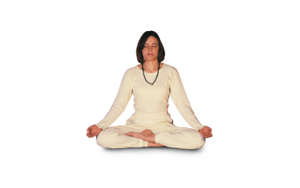
Understanding the Paths: Rajayoga and Bikram
Rajayoga – The “Royal Path” of Inner Mastery
Rajayoga, often translated as the “Royal Path,” emphasizes the control of the mind and senses. Derived from the foundational text Yoga Sutras of Patanjali, this path systematically leads a practitioner toward union with the higher self through disciplined mental and spiritual practices.
Rajayoga is not necessarily about twisting oneself into complex postures. Instead, it centers around the Eight Limbs of Yoga:
- Yama – ethical restraints
- Niyama – personal observances
- Asana – physical posture
- Pranayama – breath control
- Pratyahara – withdrawal of the senses
- Dharana – concentration
- Dhyana – meditation
- Samadhi – liberation or union
This sequence moves from external to internal disciplines. A true Rajayogi progresses from ethical clarity and bodily stillness to an ultimately transcendental state of consciousness—the sought-after samadhi.
In essence, Rajayoga is the science of mind. It teaches yogis to go within, to master thoughts, and to recognize that the key to transformation lies not in the body, but in awareness itself.

Bikram Yoga – The Heat of Discipline
In stark contrast, Bikram Yoga—founded by Bikram Choudhury—focuses on rigorous physical discipline within a controlled environment. Each 90-minute session follows a fixed sequence of 26 postures and 2 breathing exercises, performed in a room heated to approximately 105°F (40.5°C) with 40% humidity.
This intense setting is designed to:
- Improve flexibility through heat-induced muscle relaxation
- Detoxify the body through profuse sweating
- Strengthen mental endurance by maintaining focus under physical stress
Unlike Rajayoga’s meditative subtlety, Bikram Yoga channels transformation through heat, repetition, and willpower. It’s a trial by fire—literally and metaphorically—meant to burn away weakness and ego through persistence.
The Yogi’s Journey: A Matter of Temperament and Purpose
Every yogi brings their unique temperament, goals, and life experiences to their practice. A person drawn to deep reflection may thrive in Rajayoga, while another seeking physical transformation or mental toughness may gravitate toward Bikram.
Yet, a crucial truth emerges: no yoga discipline is universally suitable. Success or struggle depends not on the yoga style, but on the alignment between practice and personality.
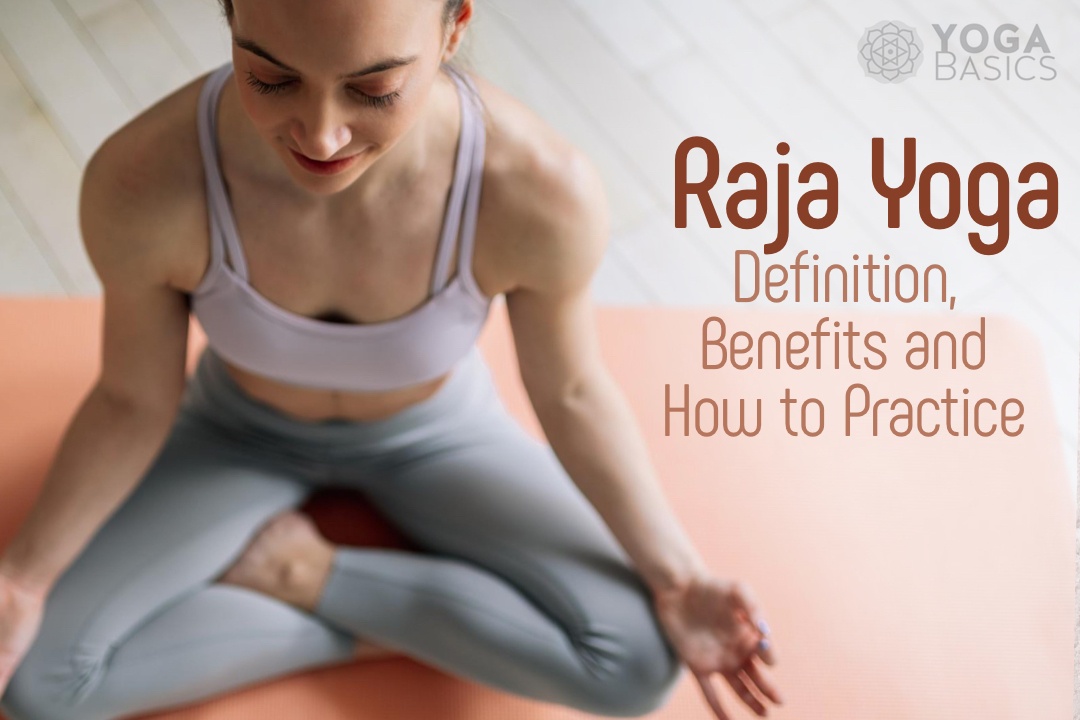
Yogis Who Thrive in Rajayoga
Those thriving in Rajayoga tend to share certain traits:
- Introspective nature: They find meaning in silence and self-reflection.
- Patience: Progress in Rajayoga is slow, often intangible, and requires faith.
- Mental discipline: The focus on meditative stillness appeals to minds that crave inner order.
- Spiritual hunger: Rajayoga often attracts seekers striving for transcendence beyond material life.
For these individuals, the lack of external excitement is not a drawback but a gift. The stillness becomes fertile ground for insight and serenity.
Yogis Who Struggle in Rajayoga
However, not all find peace in the quiet. Those who are action-oriented, highly social, or prone to restlessness may become frustrated by Rajayoga’s intense inwardness.
Common challenges include:
- Boredom or mental agitation during meditation
- Difficulty maintaining focus or posture for long durations
- Resistance to abstract spiritual concepts
For them, the subtle gains of Rajayoga may seem elusive or “too slow.” Without the visible milestones of physical transformation, discouragement can set in.
Yogis Who Thrive in Bikram Yoga
Bikram Yoga, by contrast, rewards determination, physical grit, and a love of challenge. Many who flourish in Bikram are naturally competitive, disciplined, and results-oriented. They thrive in environments where effort leads to tangible outcomes.
Benefits they experience often include:
- High physical endurance
- Rapid improvement in flexibility and core strength
- A sense of emotional release through intensity
- Empowerment from mastering discomfort
For these yogis, the heat and rigor of Bikram are not punishments—they are purifying forces that reveal inner resilience.
Yogis Who Struggle in Bikram
Still, Bikram’s demanding nature can overwhelm beginners or individuals with health and psychological limitations.
Those who struggle often report:
- Dehydration and dizziness due to heat exposure
- Physical strain, especially on joints and lower back
- Emotional resistance to the strict, repetitive class format
- Difficulty staying motivated without variety
Here, the line between discipline and punishment blurs. Without awareness and self-care, Bikram can turn from transformational to traumatic.
The Psychology of Success and Struggle in Yoga
Why do two people in the same class—Rajayoga or Bikram—experience such different journeys? The answer lies not in the yoga but in psychological readiness.
The Role of Ego
In Bikram Yoga, the ego manifests in comparison: “Who’s stretching deeper? Who’s sweating more?” Yet, this same ego can become the fuel of progress if harnessed with mindfulness. The yogi learns humility through repetition, discovering that endurance is liberation from self-limitation.
In Rajayoga, the ego shows up differently. It resists surrender. The mind rebels against stillness, inventing distractions. Success here demands dissolving the ego’s constant chatter.
Thus, Bikram challenges the body’s ego, while Rajayoga challenges the mind’s ego—two fronts of the same inner war.
The Power of Purpose
A practice without purpose becomes a grind. Yogis who thrive—be it in Rajayoga or Bikram—approach yoga as a spiritual discipline, not just a workout or relaxation technique.
Purpose acts as the compass during doubt. When a yogi understands why they practice—whether for mental peace, self-knowledge, or health—they find meaning beyond momentary discomfort or confusion.
The Importance of Self-Acceptance
Struggle often intensifies when we resist our nature. A perfectionist Bikram student may push beyond safety, injuring themselves in pursuit of mastery. A Rajayogi may feel guilty for wandering thoughts, mistaking natural mental restlessness for weakness.
Progress begins with self-compassion. Yoga was never about conquest—it’s about connection.
The Meeting Point: Integrating Rajayoga and Bikram
Many modern practitioners find that combining the principles of Rajayoga and Bikram yields powerful synergy.
Mind in Motion
By applying the mindfulness of Rajayoga to the movement of Bikram, one can transform a physical challenge into a meditative experience. Every posture becomes a chance to embody awareness, to breathe consciously, and to observe rather than react.
Heat as a Teacher
In Rajayoga, the inner “heat” (tapas) symbolizes the fire of self-discipline that burns impurities. Bikram externalizes this metaphor—making heat the literal purifier. When both are unified, the outer fire meets the inner one, deepening transformation.
The Balanced Path
A yogi might practice Bikram to strengthen the body and Rajayoga to steady the mind. Together, they cultivate harmony between willpower and surrender, intensity and rest, effort and grace.
This integrative approach reflects the essence of yoga itself—union—where body, mind, and soul act as one.
The Spiritual Dimensions
Beyond fitness and flexibility, both Rajayoga and Bikram point toward the same spiritual truth: that the highest mastery is self-mastery.
The Inner Fire of Tapas
In yogic philosophy, tapas means “to burn.” It refers not to physical heat but the inner fire of transformation that refines character. Whether through meditation or sweat, both paths ignite tapas.
- In Rajayoga, tapas is mental austerity—disciplining the mind to silence.
- In Bikram, tapas is physical endurance—staying centered amid discomfort.
Both cultivate resilience. Both demand balance between detachment and dedication.
The Role of Breath
Breath bridges the physical and spiritual realms. In both practices, it is a tool of self-regulation:
- Rajayoga uses pranayama to still the mind.
- Bikram uses breathing to survive intensity.
Each teaches that mastery of breath equals mastery of life force itself.
The Lesson of Surrender
Perhaps the greatest paradox in yoga is that true strength arises from surrender. Rajayogis surrender to stillness; Bikram yogis surrender to heat. In yielding to the process, they stop fighting reality—and find peace even in struggle.
Common Misconceptions About Rajayoga and Bikram
“Rajayoga is only for monks.”
This is false. Rajayoga’s principles—ethics, discipline, focus, and meditation—apply equally to laypeople. Its tools help anyone cultivate mindfulness in everyday life, from professionals to parents.
“Bikram Yoga is dangerous.”
When practiced responsibly and under guidance, Bikram Yoga is safe and deeply rewarding. The danger lies not in the heat itself, but in ignoring the body’s limits. Awareness and hydration transform risk into resilience.
“Yoga should be easy and peaceful.”
Yoga is transformative, not merely relaxing. Both Rajayoga and Bikram demand courage—the courage to face one’s inner chaos. Peace is the outcome, not the starting point.
Case Studies: Real-Life Journeys of Yogis
Meera – The Rajayogi in the City
A 34-year-old marketing executive, Meera turned to Rajayoga after burnout from corporate stress. At first, sitting still for even five minutes felt impossible. Thoughts raced, impatience boiled. But through months of discipline, she discovered clarity and emotional resilience.
Her colleagues noticed subtle changes—measured speech, calm decision-making, unflappable focus. Meera credits her transformation not to ambition but surrender. “Rajayoga didn’t make me successful,” she says. “It made me whole, so success became natural.”
Arjun – The Bikram Warrior
After a sports injury ended his athletic career, Arjun sought healing through Bikram Yoga. The first session nearly broke him—the suffocating heat, the trembling muscles. But he returned daily, driven by a quiet determination.
Six months later, Arjun not only regained strength but also emotional stability. “The heat taught me to stop running from discomfort,” he explains. “Now I face challenges with the same steady breath I learned in that room.”
Kavya – The Integrator
Torn between stillness and movement, Kavya practiced Rajayoga in the mornings and Bikram in the evenings. Over time, she realized each balanced the other. The calm of Rajayoga tempered her physical zeal, while Bikram grounded her meditations in the body.
Her insight captures the essence of modern yoga: “Every path leads home when walked with awareness.”
The Inspiring Truth: Yoga Mirrors Life
Why do some yogis thrive while others struggle? Because yoga, like life, reflects individual readiness for transformation.
Rajayoga appeals to those seeking serenity within chaos. Bikram appeals to those seeking strength through challenge. Yet both reveal the same truth: growth requires discomfort, and both peace and pain are teachers on the journey.
Yoga is not a competition or a checklist—it’s a mirror. The heat of Bikram shows what we cling to; the stillness of Rajayoga shows what we avoid. To thrive means to embrace both aspects with grace.
Integrating Yoga into Modern Life: The Balanced Yogi’s Vision
As yoga evolves beyond its traditional roots into a global wellness phenomenon, the question arises—how can modern yogis embody the depth of traditions like Rajayoga and Bikram without losing balance in today’s fast-paced world?
The answer lies in integration rather than separation. Every yogic system—ancient or modern—points to the same ultimate goal: union with the self. When practiced with awareness, each path becomes a means of aligning mind, body, and spirit in a chaotic environment.
Adapting Ancient Wisdom to Modern Needs
Today’s yogi might meditate in a coworking space, practice pranayama between meetings, or roll out a mat in a high-rise apartment instead of a forest hermitage. The external context has changed drastically, but the inner principles of self-discipline, awareness, and compassion remain timeless.
Rajayoga’s stillness is now a remedy for digital burnout, while Bikram’s heat offers a cathartic outlet for physical and emotional tension accumulated from sedentary lifestyles. The world may look different, but the human nervous system has not evolved beyond the need for stillness, strength, and self-regulation.
Balancing the Inner and Outer Heat
One of the most profound lessons that unites both Rajayoga and Bikram is the balance between inner heat (tapas) and outer endurance. In the ancient sense, tapas referred to any action that purified the heart and sharpened awareness.
Modern life, filled with distractions and demands, already generates immense “mental heat.” To prevent burnout, modern yogis must learn to balance outer effort with inner rest. Bikram teaches endurance and self-control under physical strain, while Rajayoga teaches detachment from mental overexertion.
When practiced together, they form a self-regulating system: the body learns when to push; the mind learns when to release. This dynamic balance becomes a living meditation that extends beyond the yoga mat.
The Subtle Science of Energy
At a deeper level, both systems address the movement of prana, or vital energy. Rajayoga refines and directs prana through stillness and attention, while Bikram burns away energetic blocks through intensity and breath synchronization.
In yogic anatomy, energy channels known as nadis and centers called chakras regulate this flow. When energy stagnates—due to stress, negative emotions, or physical tension—both mind and body suffer.
- Rajayoga activates the ajna (third eye) chakra through meditation and awareness.
- Bikram awakens the manipura (solar plexus) chakra, the seat of will and confidence.
Together, these complementary activations awaken intuition and personal power—qualities that every modern yogi needs to navigate today’s shifting realities.
The Discipline Dilemma
Another critical reason some yogis thrive while others falter lies in the misunderstanding of discipline. Many associate discipline with restriction or punishment, yet in its purest form, discipline means devotion—devotion to growth, awareness, and balance.
Rajayoga demands gentle but consistent discipline of the mind. The practitioner shows up daily not because it feels easy, but because stillness has become a sacred ritual.
Bikram demands bold discipline of the body. Each posture holds a mirror to the yogi’s potential and pain, challenging them to stay present when every instinct screams to flee.
Both disciplines teach sovereignty—self-rule—over external chaos and internal resistance. Discipline is not the enemy of freedom; it is its foundation.
The Emotional Purification Process
Beyond the muscular or meditative benefits, both Rajayoga and Bikram act as profound tools for emotional cleansing. Each posture, breath, and moment of stillness allows buried emotions to rise to the surface.
In Bikram, the physical heat accelerates detoxification not only in tissues but in the psyche. Many practitioners report emotional breakthroughs after intense sessions—tears, laughter, or sudden clarity.
In Rajayoga, silence becomes the fire. Sitting with one’s thoughts without distraction brings unresolved emotions into awareness. Though uncomfortable, this act of conscious witnessing releases emotional weight built up over years.
Emotional purification is neither glamorous nor easy—it is the sacred work of self-liberation. Those who embrace it experience genuine transformation that transcends physical mastery.
A Holistic Practice for the Future
Future wellness trends show a shift toward holistic integration—merging physical fitness with emotional intelligence and spiritual health. Yoga, in its full spectrum, already embodies this vision.
Rajayoga provides the psychological toolkit—mindfulness, ethical awareness, presence. Bikram offers the physiological engine—heat, endurance, and strength. Together, they form a complete nervous system reset—balancing sympathetic “fight or flight” activation with parasympathetic calm.
Corporations, athletes, and healthcare practitioners are beginning to adopt integrative yoga approaches for stress management, productivity, and recovery. These modern initiatives echo the timeless understanding that mind and body cannot be healed separately.
The Role of the Teacher and Community
One essential factor in determining whether a yogi thrives or struggles is guidance. A compassionate teacher can bridge the gap between aspiration and practice, offering corrections not just in posture but in mindset.
- Rajayoga mentors often guide students through meditative consistency and ethical insight.
- Bikram instructors inspire physical courage and accountability.
The teacher’s role is to help students adapt yoga to their unique constitution—avoiding extremes of indulgence or austerity.
Similarly, community plays an unseen but critical role. A tribe of like-minded practitioners fosters support, humility, and shared growth. As ancient ashrams once served communal seekers, modern studios and online sanghas now fulfill that purpose, reminding yogis that the path, while personal, is never solitary.
The Ultimate Realization: Yoga Beyond Style
After years of practice, seasoned yogis often realize that distinctions like “Rajayoga” and “Bikram Yoga” are conceptual bridges—tools to lead toward the same destination: union with the self.
This realization marks the point of mastery, where external labels fade, and every moment—whether spent in silence or in sweat—becomes yoga.
The modern yogi embodies adaptability—not bound by tradition, nor seduced by novelty. They recognize that a sunrise meditation and a heated evening class are not opposites but reflections of the same cosmic dance between stillness and energy.
It is in this integration that yoga fulfills its true meaning—not as a practice we perform, but as a state of being we remember.
Final Contemplation
So, why do some yogis thrive while others struggle?
The inspiring truth is that struggle itself is sacred. Whether in the meditative quiet of Rajayoga or the fiery discipline of Bikram, growth happens in the space between resistance and surrender.
A yogi’s success is not measured by flexibility, endurance, or even hours of meditation—it is measured by awareness, humility, and love.
In the end, when mind and body unite through practice, every drop of sweat and every moment of silence becomes a prayer—a reminder that we are not merely doing yoga; we are becoming yoga.