In today’s high-speed world, stress has become as common as the air we breathe. Our calendars overflow, our minds race, and our bodies carry tension without pause. Amid this turbulence, emerges as more than an exercise—it is an ancient science designed to restore harmony between mind, body, and soul. But beyond the physical postures lies a deeper promise: the transformation of stress into serenity.
This journey unfolds beautifully through three profound paths— Kriya Yoga, and Yoga Nidra—each guiding us to inner stillness, clarity, and liberation from daily chaos. Understanding their roots and practices unveils the timeless truth: peace was never outside—it always resided within.
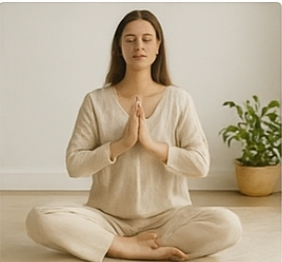
The Modern Epidemic: Understanding Stress
Before diving into s power, we must first understand what we’re combating. Stress, at its core, is the body’s natural response to perceived threats. A little stress can sharpen our senses and prepare us for challenge, but chronic stress keeps the body in perpetual “fight-or-flight” mode. Elevated cortisol levels disrupt sleep, digestion, concentration, and emotional stability.
Common stress triggers include:
- Overcommitment and work overload
- Emotional dependency or social pressure
- Financial instability
- Digital fatigue and constant connectivity
- Suppressed emotions or unresolved trauma
What makes stress destructive is not just the trigger but our inability to release it. This is precisely where yoga intervenes—not by avoiding stressors, but by transforming our response to them.
Yoga: The Ancient Path to Serenity
Yoga, derived from the Sanskrit root Yuj meaning “to unite,” signifies the union of the body, mind, and consciousness. It is not merely a set of physical postures, but a multidimensional lifestyle encompassing ethics, breath, movement, meditation, and spiritual insight.
At its essence, brings awareness to the present moment—the only place serenity can truly exist.
The Philosophical Foundation
Yoga originated over 5,000 years ago, as a profound spiritual discipline codified by the sage Patanjali in the Yoga Sutras. Patanjali’s eightfold path, or Ashtanga Yoga, provides a holistic blueprint for liberation:
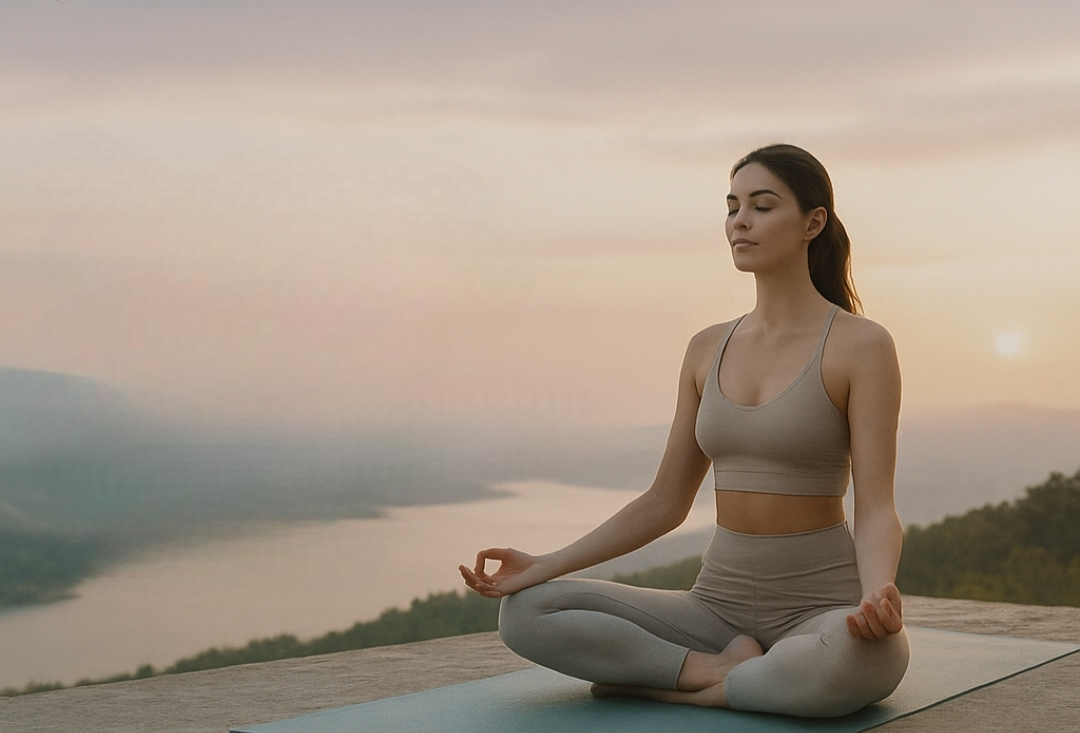
- Yamas – Ethical principles (non-violence, truth, non-stealing, moderation, non-possessiveness)
- Niyamas – Personal observances (purity, contentment, self-discipline, self-study, surrender to the divine)
- Asana – Physical postures cultivating strength and stillness
- Pranayama – Regulation of breath to refine energy
- Pratyahara – Withdrawal of senses from distractions
- Dharana – Concentration
- Dhyana – Meditation
- Samadhi – Union with the higher self
Each step reduces mental agitation, detoxifies the body, and brings the practitioner closer to inner serenity. The physical aspect (asanas) may be the most visible, but yoga’s true transformation blooms in the unseen realms of awareness, breath, and consciousness.

How Yoga Transforms Stress
- Regulates Breath and Nervous System: Through conscious breathing, yoga activates the parasympathetic nervous system—the body’s rest-and-digest mode—lowering cortisol and heart rate.
- Releases Muscular Tension: Asanas target stress-prone areas like neck, shoulders, and spine, dissolving stored tension.
- Enhances Emotional Intelligence: Regular practice enables one to observe emotions without attachment, diffusing anger, anxiety, or fear.
- Boosts Endorphins: Yoga fosters dopamine and serotonin release, balancing mood naturally.
- Promotes Mindfulness: Awareness of postures and breath leads to mindfulness off the mat, cultivating calm responsiveness instead of impulsive reaction.
Foundational Asanas for Stress Relief
- Child’s Pose (Balasana): Deeply calming and grounding.
- Legs-Up-the-Wall (Viparita Karani): Restorative, reduces fatigue and anxiety.
- Cat-Cow (Marjaryasana-Bitilasana): Releases spine tension and encourages gentle movement.
- Bridge Pose (Setu Bandhasana): Opens the chest, alleviating emotional stagnation.
- Savasana (Corpse Pose): The ultimate relaxation pose integrating the essence of stillness.
Every breath and stretch in yoga is a gentle conversation between your body and soul—a whisper that says, “You are safe. You are home.”
Kriya Yoga: The Science of Inner Purification
While yoga nurtures harmony through mindfulness and posture, Kriya digs even deeper, awakening the higher dimensions of consciousness through controlled breath and energy refinement.
The Essence of Kriya Yoga
Kriya , introduced to the modern world by Paramahansa Yogananda, is one of the most powerful spiritual practices originating from the Himalayan tradition. It focuses on purifying the subtle energy channels (nadis) and balancing the life force (prana) within the spinal column.
Yogananda defined it as “a scientific technique by which human consciousness can be accelerated and expanded.” In essence, Kriya Yoga is both an inward journey and an alchemical process, converting restlessness into radiant stillness.
The Philosophy and Technique
Kriya has its roots in ancient Raja , emphasizing disciplined practice (sadhana). It combines three primary components:
- Tapas (Self-discipline): Cultivating determination and purification through regular practice.
- Svadhyaya (Self-study): Self-reflection and study of sacred wisdom texts.
- Ishvara Pranidhana (Surrender): Offering the fruits of all efforts to the Divine.
When applied together, these principles elevate consciousness, freeing one from the cycles of worry, negativity, and ego-driven stress.
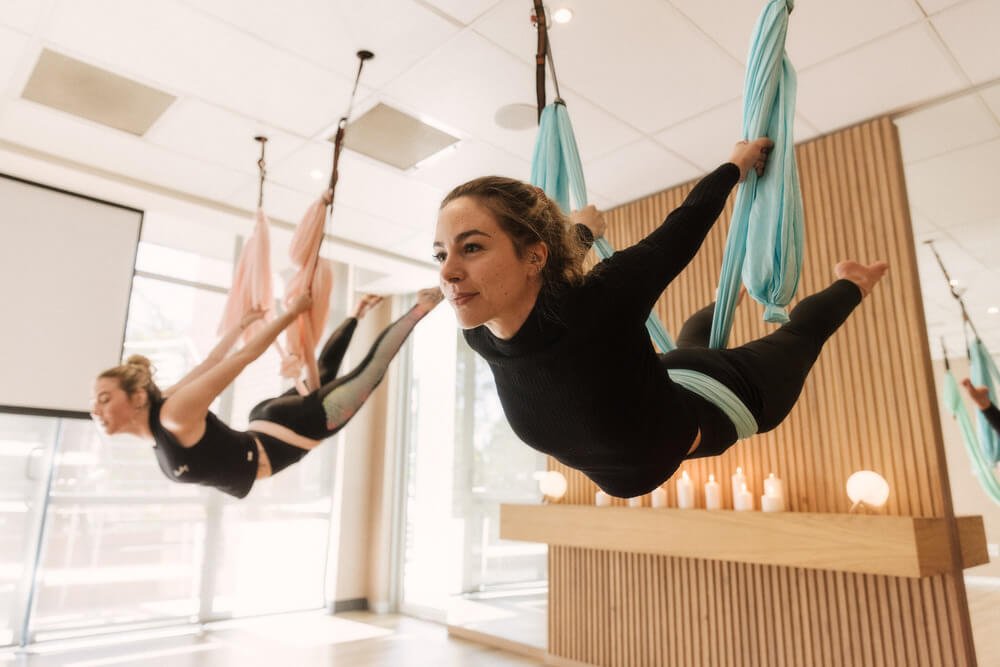
The Power of Breath and Energy
The defining technique of Kriya Yoga involves controlled breathing (pranayama) synchronized with awareness along the spine. This internal current of life force magnetizes the body and mind, dissolving emotional toxins and karmic patterns lodged within.
Through this, practitioners experience:
- Detoxification of the nervous system
- Greater emotional resilience
- Enhanced focus and spiritual insight
- Profound inner peace
Yogananda explained that one Kriya pranayama can be equivalent to years of natural spiritual evolution—not through mysticism, but through direct energetic awakening.
The Psychological Transformation
Kriya Yoga works where traditional stress methods often fail: at the pranic level—the subtle realm where thoughts arise before becoming emotions. When prana flows freely, the mind naturally becomes serene. Mental chatter diminishes, and creativity, compassion, and clarity begin to blossom.
This cultivates a profound sense of sovereignty over one’s inner world—where outer circumstances lose the power to disturb one’s equilibrium.
Integrating Kriya Yoga in Daily Life
- Begin each morning with 5–10 minutes of conscious breathing.
- Keep awareness on the spine—imagining energy ascending and descending with breath.
- Practice gratitude after each session, reinforcing surrender and peace.
- Allow silence to conclude the practice; serenity deepens when the mind stops chasing sound.
As energy stabilizes, joy ceases to depend on external validation. What remains is unwavering calm—the serenity of the soul itself.
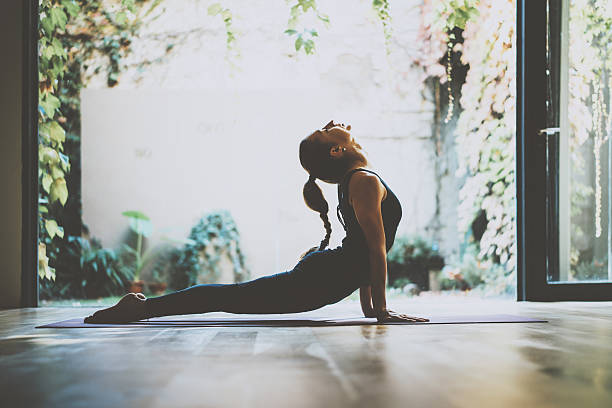
Yoga Nidra: The Art of Conscious Sleep
When physical stillness meets mental rest, true healing unfolds. Yoga Nidra, or “Yogic Sleep,” is the sacred bridge connecting outer awareness with the subconscious and beyond. It is neither wakefulness nor sleep—it is the space in-between.
What Is Yoga Nidra?
Yoga Nidra is a guided meditative practice where the body sleeps, but consciousness remains awake. It systematically relaxes every layer of being—the physical, energetic, mental, emotional, and spiritual—leading to complete rejuvenation.
Originating from ancient tantric texts, Yoga Nidra was reformulated in modern times by Swami Satyananda Saraswati as a therapeutic and spiritual practice. Its profound simplicity makes it accessible to everyone seeking stress relief, focus, or spiritual insight.
The Stages of Yoga Nidra
- Preparation: Lie comfortably in Savasana. Allow the body to surrender to stillness.
- Setting Sankalpa: A positive affirmation or resolve, such as “I am calm and whole.”
- Rotation of Consciousness: Awareness is guided through body parts, promoting deep relaxation.
- Breath Awareness: Observing breath naturally and silently, balancing life force.
- Emotional Release: Imagery and visualization dissolve subconscious tension.
- Experience of Opposites: Awareness of sensations like hot/cold or heavy/light creates mental balance.
- Sankalpa Reinforcement: The resolution is repeated, planting seeds of transformation.
- Return to Waking State: The practitioner gradually awakens to renewed clarity and serenity.
Why Yoga Nidra Heals Stress
- Deeply Restorative: Thirty minutes of Yoga Nidra can equal hours of sleep in mental rest.
- Balances Brain Waves: Shifts the brain from beta (active) to theta and delta (deep relaxation).
- Detoxifies the Mind: Clears emotional and subconscious clutter.
- Activates the Parasympathetic Nervous System: Enhances digestion, immune strength, and calm.
- Empowers Intention (Sankalpa): Rewires the mind toward positivity and peace.
The Science Behind It
Researchers have confirmed that Yoga Nidra reduces stress biomarkers, including cortisol, and enhances GABA levels—a neurotransmitter that promotes relaxation. EEG scans reveal practitioners displaying patterns linked to meditation, creativity, and emotional regulation.
Psychologically, it rewires cognitive patterns associated with anxiety, PTSD, and insomnia. Many therapists now integrate Yoga Nidra into trauma recovery frameworks, helping patients heal from within rather than suppressing distress outwardly.
Experiencing Yoga Nidra
All you need is a quiet space and a comfortable surface. The practice can be done through guided audio or self-guided awareness. As you float in conscious rest, you begin to access the infinite stillness that resides beneath the surface of thought—a stillness untouched by circumstance.
The Connection Between the Three Paths
Yoga, Kriya Yoga, and Yoga Nidra may appear distinct in practice, but they share a single vision: the transcendence of stress through realization of inner stillness.
Their synergy creates a trinity of transformation:
| Practice | Focus | Effect on Stress |
|---|---|---|
| Yoga | Harmonizing body and mind through movement and breath | Releases physical tension, induces relaxation |
| Kriya Yoga | Refinement of energy and consciousness through breath control | Purifies the nervous system, quiets inner turbulence |
| Yoga Nidra | Conscious relaxation of the subconscious mind | Rewires thought patterns, promotes deep rest |
When integrated, these disciplines act as a complete system for stress alchemy—from releasing bodily tension to transcending the very source of psychological unrest.
Embracing Serenity in Daily Life
True peace is not the absence of challenges but the presence of stillness within them. Yoga’s wisdom is most meaningful when it extends beyond the mat into conversations, choices, and reactions.
Practical Ways to Live Yoga Beyond Practice
- Begin your morning with 5 minutes of gratitude breathing.
- Move your body daily, even through simple stretches.
- Replace judgment with observation. Pause before reacting.
- Practice digital detachment—schedule “no-scroll” hours.
- Rest in silence every evening for self-reflection.
- Use a Sankalpa during Yoga Nidra to guide personal growth.
- Lie down for 10 minutes in Savasana when overwhelmed.
When serenity becomes a habit, stress loses its grip.
A Personal Invitation to Peace
Imagine a day where deadlines don’t dictate your worth, where the mind no longer runs on autopilot, and every breath feels like a returning home. This state is not a fantasy reserved for monks—it’s your natural condition, waiting to be remembered.
Yoga reconnects you to that truth. Kriya Yoga enlivens it through energy. Yoga Nidra sustains it through rest. Together, they dissolve the storm and reveal the ocean of calm always present beneath.
Transformation does not occur in grand leaps but in quiet consistency—one conscious breath, one kind thought, one moment of awareness at a time.
Let your mat become your sanctuary. Let your breath become your mantra. And let serenity become not just a fleeting moment but the foundation of how you live.
Awakening Through Practice: Moving from Knowledge to Experience
Intellectual understanding of yoga’s power is only the first step. Real transformation occurs when these teachings become lived experience. Many seekers discover that while reading about yoga soothes the mind, only consistent practice liberates it.
To fully transform stress into serenity, one must move from concept to connection—from talking about stillness to actually feeling it in the body, breath, and awareness. This awakening unfolds gradually through discipline (abhyasa) and surrender (vairagya), two pillars highlighted in the Yoga Sutras.
The Discipline of Practice
Consistency matters far more than duration or intensity. The mind, trained by years of distraction, needs gentleness and repetition to rewire itself. Think of meditation, pranayama, or yoga nidra as mental hygiene—cleansing the layers of accumulated tension daily.
Start small:
- Five minutes of mindful breathing upon waking
- Fifteen minutes of asanas before work
- Ten minutes of Yoga Nidra before sleep
Over time, these moments turn into milestones in self-awareness. The body learns relaxation as a default response rather than reaction.
Just as the body craves nourishment, so does the mind crave stillness—a space where creativity, intuition, and inner joy naturally rise.
The Science of Inner Calm
Modern neuroscience now quantifies what ancient yogis intuitively knew: the state created by yogic practices profoundly reshapes both brain and body.
1. The Nervous System Reset
Yoga and Kriya practices directly stimulate the vagus nerve, which governs heart rate, digestion, and relaxation. When activated, it signals safety to the brain, releasing calming neurotransmitters like acetylcholine. This shifts the nervous system from the high-alert state of sympathetic dominance to the soothing rhythm of parasympathetic balance.
2. Neuroplasticity and Thought Patterns
Meditation and Yoga Nidra reduce activity in the default mode network—the brain system tied to rumination and self-centered thinking. Regular practitioners exhibit greater connection between the prefrontal cortex (decision-making) and insula (empathy). Essentially, yoga rewires the brain to choose peace over panic.
3. Breath and Biochemistry
Controlled breathing in Kriya Yoga improves heart rate variability (HRV)—a key indicator of stress resilience. Slow, rhythmic breath raises oxygen exchange and stabilizes carbon dioxide levels, producing an immediate calming effect. In turn, this enhances concentration and emotional balance.
4. Cellular Harmony
Emerging epigenetic studies reveal that mindfulness and yogic breathwork can “turn off” genes linked to inflammation and stress response. A calm mind literally influences cellular function, proving that serenity is not only psychological—it is physiological transformation.
Stress, Trauma, and the Subconscious Mind
Stress often takes root far beneath conscious awareness. Many individuals carry unresolved trauma—events never fully processed by the nervous system. Yoga Nidra and Kriya Yoga address this hidden realm where talk therapy or surface relaxation cannot reach.
During Yoga Nidra, as the body enters the hypnagogic state, subconscious memories gently surface for integration rather than suppression. In this safe, half-awake awareness, emotional energy trapped for years can finally dissolve. Practitioners frequently report spontaneous tears, warmth, or visions—not as distress, but as release.
Kriya Yoga complements this process by removing energetic residue in the nadis (energy channels). Every pranayama act becomes a cleansing wave, eroding the pain of the past. With time, the heart becomes lighter, free from the recurring echoes of old wounds.
As a psychological and spiritual technology, Yoga does not suppress pain—it transmutes it.
The Role of Sankalpa: Reprogramming the Mind
At the core of Yoga Nidra lies a sacred tool—Sankalpa, a vow or heartfelt intention made in full awareness. Unlike wishful thinking, a Sankalpa arises from the depths of the soul; it aligns personal will with universal intelligence.
Stress thrives on unconscious repetition of limiting beliefs: I am not good enough… I don’t have time… I can’t handle this.
Yoga Nidra interrupts these loops by planting seeds of opposite vibrational truth: I am balanced. I have all the time I need. I trust life’s flow.
How to form an effective Sankalpa:
- Phrase it in the present tense (“I am calm and confident”).
- Make it positive and concise.
- Feel its truth emotionally while repeating it.
- Reinforce it during the deep state of relaxation when the subconscious is receptive.
Repeated over weeks, this affirmation shapes perception, behavior, and energy—reshaping stress at its root.
Integrating Yoga into the Modern Lifestyle
Yoga is most powerful not when reserved for studios or retreats but when woven into everyday living. The modern seeker often battles deadlines, digital overload, and sensory saturation; yoga offers tools to meet these exact challenges.
Morning Rituals: Creating an Energetic Foundation
Morning sets the tone for the entire day. Begin with silence before stimulation.
A suggested 20-minute routine:
- 3 minutes of mindful breathing (observe natural inhalation and exhalation).
- 5 minutes of gentle stretching or Surya Namaskar, synchronizing movement with breath.
- 5 minutes of Pranayama (e.g., alternate nostril breathing or Nadi Shodhana).
- 5 minutes of seated meditation or affirmations.
- End with gratitude—mentally thank life for the gift of presence.
This short ritual calibrates the nervous system before external input begins. The first hour of wakefulness determines how stress will interact with your awareness for the rest of the day.
Mindfulness in Motion
Yoga is not confined to the mat. Whether walking to work, sipping coffee, or answering emails, practice mindful engagement:
- Feel your feet touching the ground.
- Notice the rhythm of breathing amidst conversation.
- Pause before responding to tension. Observe. Then act.
This off-the-mat awareness is the heartbeat of yoga in daily life.
Conscious Work Habits
Modern offices and devices demand sustained attention that drains energy. Apply yogic principles to rejuvenate mental focus:
- Follow the Pomodoro technique blended with 2-minute breath breaks.
- Keep screens below eye level to prevent spinal compression.
- Between meetings, close eyes and exhale slowly through the mouth three times.
Small energetic resets accumulate serenity like interest in the bank of awareness.
Guided Example: A 15-Minute Stress-Reset Routine
Below is a simple integrated routine combining Yoga, Kriya, and Yoga Nidra principles you can use at any time.
- Seated Centering (2 minutes): Sit tall, close eyes, and focus on breath.
- Alternate Nostril Breathing—Nadi Shodhana (5 minutes): Inhale left, exhale right, then alternate. Balances hemispheres of brain.
- Gentle Asanas (4 minutes): Cat-Cow, Forward Bend, Seated Twist, and Child’s Pose—fluidly synchronize with breath.
- Mini Yoga Nidra (3 minutes): Lie down; mentally relax feet to head. Repeat a brief Sankalpa (“Peace resides within me”).
- Closing Awareness (1 minute): Rest in silence before re-engaging.
This micro-practice trains the mind-body system to reset stress circuitry on demand—no matter where you are.
The Subtle Dimensions of Kriya: Awakening Energy Centers
To go deeper, Kriya Yoga teaches the alignment of consciousness along the spine, awakening subtle centers known as chakras—wheels of energy corresponding to psychological and physiological states.
- Muladhara (Root): Stability and security
- Svadhisthana (Sacral): Emotions and creativity
- Manipura (Solar Plexus): Confidence and willpower
- Anahata (Heart): Compassion and forgiveness
- Vishuddha (Throat): Communication and truth
- Ajna (Third Eye): Intuition and perception
- Sahasrara (Crown): Divine connection and bliss
Through rhythmic breath and focus, Kriya practitioners move prana up and down this inner ladder, harmonizing all aspects of being. Stress, often manifesting as energy blocks, dissolves naturally as flow returns. The practitioner eventually experiences stillness not as an absence of movement but as perfect balance in motion.
The Spiritual Dimension of Serenity
Beyond physiology and psychology, the deepest serenity arises from spiritual realization—the recognition that the self is not the mind but the silent witness behind it. Yoga gradually unveils this truth.
During Kriya or deep Yoga Nidra, one may glimpse pure awareness: boundless, luminous, untouched by thought. It is in this space that all stress ceases to exist—not because problems vanish, but because the experiencer transcends identification with them.
When life’s turbulence arises again, the yogi no longer resists it; stress becomes energy in motion, observed and embraced. This is the heart of serenity—acceptance through awareness.
Stories of Transformation
Across cultures and ages, countless individuals testify to yoga’s profound impact on their stress and mental wellbeing.
- Maria, a corporate executive, began practicing Yoga Nidra nightly after years of insomnia. In two months, her sleep normalized and productivity soared—not because workload reduced, but because her inner response changed.
- Anil, a trauma survivor, found Kriya Yoga gave him a path to process pain beyond words. The breath became a bridge back to safety.
- Clara, a student, integrated 10 minutes of morning yoga and gratitude journaling. Her anxiety levels dropped noticeably, and decision-making improved.
These stories illustrate yoga’s real miracle: transformation from the inside out.
The Ripple Effect of Inner Peace
The serenity cultivated through yoga radiates outward. A calm individual influences their family, workplace, and community silently but powerfully. Emotional regulation spreads empathy; patience awakens mutual respect.
When a mind is peaceful, it emits coherence, which modern physics describes as resonance. One peaceful being harmonizes the environment energetically—proving yoga’s social dimension of healing.
Thus, your personal pursuit of calm is not selfish; it contributes to collective balance. Every deep breath you take restores equilibrium to the world around you.
The Eternal Message: Returning to Yourself
At its spiritual core, yoga does not add peace; it reveals peace—the peace that was never lost but merely buried beneath noise and conditioning. In an age obsessed with external success, this return to inner fullness is revolutionary.
Serenity is not found in external control but in surrender. When you stop striving to fix the outer world and nurture the inner alignment, circumstances lose their power over you.
In this stillness, you discover:
- Freedom from identity and fear
- Spontaneous compassion without effort
- Deep appreciation for simplicity
- A rooted joy that no stress can shake
This is the ultimate transformation—the alchemy of awareness.
Final Reflection: Living as Serenity Itself
The teachings of Yoga, Kriya Yoga, and Yoga Nidra converge in one truth: You are not a fragment of restlessness seeking peace; you are peace temporarily dreaming of restlessness.
Each breath consciously lived reclaims that truth.
Each act of stillness reforms the chaos around it.
Each moment of surrender widens the space where serenity blooms.
Let your journey begin with one breath, one intention, one moment of presence. Slowly, the stress dissolves into serenity—not as an occasional escape but as the natural rhythm of your life.
May your every movement become meditation, your every thought a reflection of awareness, and your every day a testimony to the powerful truth behind Yoga, Kriya Yoga, and Nidra.