The world around us is often chaotic — filled with noise, distractions, and a whirlwind of emotions. In this relentless storm, finding peace may seem impossible. Yet, deep within the ancient teachings of yoga and meditation lies a path to conquer this chaos. The greeting “Namaste,” commonly associated with yoga, is more than a gesture; it is a profound acknowledgement of the divine light within each of us. Through understanding the Yoga Sutras and practicing meditation, we can transcend negativity and cultivate lasting bliss.
Understanding Namaste: A Sacred Greeting
Namaste is a Sanskrit word that translates to “I bow to you” or “The divine in me honors the divine in you.” It is often spoken with hands folded in the Anjali Mudra—a gesture symbolizing respect, unity, and acknowledgment of the shared light within all beings. This simple salutation embodies essential yoga philosophy — that we are all connected and that recognition of this interconnectedness can bring harmony to internal and external conflicts.
In a world overwhelmed by external chaos, remembering Namaste can be a transformative starting point. It invites us to shift inward, realign our energies, and embrace the interconnected nature of existence.

The Nature of Chaos and Negativity
Chaos manifests in many forms: stress from work, emotional turmoil, societal unrest, or even internal mental conflicts. Negativity thrives in this turbulence, amplifying feelings of anxiety, fear, and disconnection. This emotional clutter clouds the mind and disrupts our sense of balance.
Science now supports what yogis have known for millennia — the mind and body cannot function optimally in states of chronic stress or negativity. Mental chaos impacts physical health, relationships, and creativity, leading to a downward spiral from which escape requires conscious, deliberate effort.
Meditation: A Gateway from Chaos to Calm
Meditation serves as a powerful tool to counteract chaos by training the mind to settle in the present moment. It creates a space where the restless mind can rest, allowing us to observe thoughts rather than be consumed by them.
How Meditation Conquers Chaos
- Mindfulness and Presence: Meditation cultivates awareness. Rather than reacting impulsively to external triggers, we learn to respond calmly.
- Emotional Regulation: With consistent meditation, emotional reactivity decreases. We become less vulnerable to waves of negativity.
- Neural Rewiring: Scientific studies demonstrate that meditation changes brain structure, enhancing areas responsible for executive function and emotional control.
- Enhanced Resilience: Meditation builds inner strength to face challenges without being overwhelmed.
Whether it’s breath-focused meditation, body scans, or mantra repetition, the ultimate goal is to stabilize the mind and reclaim peace amid the storm.
Yoga Sutras: The Philosophy Guiding Our Practice
The Yoga Sutras of Patanjali, composed around 2,000 years ago, provide a timeless framework to understand and overcome suffering. They articulate the eightfold path of yoga (Ashtanga Yoga), which guides practitioners toward liberation and bliss.
Key Concepts Relevant to Conquering Chaos:
- Chitta Vritti Nirodha: The central teaching is about controlling the fluctuations (vritti) of the mind (chitta). The Yoga Sutras assert, “Yoga is the cessation of the modifications of the mind.”
- Ashtanga Yoga (Eight Limbs): These are ethics, self-discipline, posture, breath control, sensory withdrawal, concentration, meditation, and blissful absorption. Each limb builds on the other to create a strong foundation for peace.
- Ahimsa (Non-Violence): Extending compassion to ourselves and others reduces internal conflict and fosters positivity.
- Svadhyaya (Self-Study): Encouraging deep introspection to understand thought patterns that fuel negativity.
- Ishvara Pranidhana (Surrender to a Higher Power): Letting go of ego-driven control reduces anxiety and fear.
By incorporating these principles into daily life, we learn to calm the mental turbulence and align with the natural flow of peace.
Integrating Meditation and Yoga Sutras in Daily Life
The combination of meditation and applying Yoga Sutras creates a robust practice to conquer chaos.
Practical Steps:
- Start with a Daily Meditation Practice: Even 10–15 minutes of focused breathing or mindfulness meditation can anchor your day.
- Adopt Ethical Guidelines: Practice kindness, truthfulness, and non-attachment to ease inner turmoil.
- Use Asanas to Release Physical Tension: Postures like Bhujangasana, child’s pose, or forward bends help relax the nervous system.
- Apply Pranayama (Breath Control): Techniques like Nadi Shodhana (alternate nostril breathing) balance energy and calm the mind.
- Reflect Regularly: Journal or meditate on your thoughts and emotions, applying svadhyaya to spot negativity.
- Surrender Control: Practice Ishvara Pranidhana by embracing uncertainty and trusting the journey.
Discovering Bliss Beyond Negativity
Bliss is not mere happiness from external conditions; it is a deep, unshakeable peace that arises when the mind is free from disturbances. The Yoga Sutras describe this state as “Ananda,” the bliss of the self.
As meditation quiets the chaotic mind and the ethical frameworks guide behavior, the inner light shines brighter. Negative patterns lose their grip, and the intrinsic joy of being reveals itself.
Namaste, then, is not just a greeting but an invitation: To recognize this bliss within ourselves and others, to honor the interconnectedness that lifts us beyond transient negativity.
Modern Science Supporting Ancient Wisdom
Recent research validates the benefits of these practices:
- Meditation reduces cortisol (stress hormone) and boosts serotonin (mood enhancer).
- Yoga practice improves autonomic nervous system balance, thereby reducing anxiety.
- Ethical behavior and social connection enhance brain oxytocin release, fostering trust and love.
- Mindfulness and self-study alter neural pathways, creating lasting mental resilience.
This blend of science and tradition enriches our understanding and underscores the relevance of Yoga Sutras and meditation in conquering chaos.
Common Challenges and How to Overcome Them
- Restless Mind: Use guided meditations or mantra repetition to maintain focus.
- Inconsistent Practice: Commit to small daily sessions; consistency beats intensity.
- Physical Discomfort: Modify poses and use props to create comfort.
- Impatience with Results: Remember transformation unfolds gradually.
- Dealing with Strong Emotions: Practice self-compassion and breath awareness.
Embracing the Inner Journey: Deepening the Practice
The path of conquering chaos is not a quick fix but a lifelong journey. Integration of meditation and yogic principles into daily routines can yield profound shifts over time, leading to lasting inner peace and bliss.
Establishing a Sustainable Routine
Creating consistency is key. Start with small, regular sessions—perhaps five minutes in the morning and evening—and gradually expand. Use techniques that resonate personally, such as breath awareness, guided visualizations, or mantra chanting.
Tip: Establish a dedicated meditation space free from distractions, where you can connect with your practice without interruption. This space becomes a sacred container for transformation.
Advanced Meditation Techniques
As you settle into regular practice, explore advanced techniques:
- Transcendental Meditation: Repeating specific mantras to access deeper states of consciousness.
- Laya Yoga: Focusing on energy centers (chakras) within the subtle body for greater inner harmony.
- Zazen: Sitting meditation that emphasizes observation of thoughts and sensations.
Incorporating these techniques can accelerate mental clarity and emotional stability, forging resilience against chaos.
The Power of Inner Disciplines: Yamas and Niyamas
The Yoga Sutras emphasize ethical disciplines that serve as a foundation for mental peace. These become vital tools in quieting the mind:
- Yamas (restraints): Ahimsa (non-violence), Satya (truthfulness), Asteya (non-stealing), Brahmacharya (moderation), and Aparigraha (non-possessiveness).
- Niyamas (observances): Shaucha (purity), Santosha (contentment), Tapas (discipline), Svadhyaya (self-study), and Ishvarapranidhana (surrender).
Practicing these daily transforms external behaviors, reducing inner conflict, and cultivating a mindset receptive to bliss.
Scientific Evidence Supporting Yogic Practices
Recent research underscores the efficacy of yoga and meditation:
- Neuroplasticity: The brain’s capacity to rewire itself in response to consistent mental training. Meditation creates new neural pathways that enhance focus, emotional regulation, and compassion.
- Stress Reduction: Studies document decreased cortisol levels and improved autonomic nervous system balance following regular practice.
- Enhanced Focus and Creativity: Meditation sharpens cognitive functions and fosters innovation.
- Mental Health Benefits: Vast evidence links these practices to reductions in anxiety, depression, and PTSD symptoms.
This scientific validation encourages integrating ancient wisdom with modern healthcare for holistic well-being.
Conquering Deep-Rooted Negativity: A Transformational Approach
Negativity often stems from unresolved trauma, conditioning, or unresolved emotions. Addressing these root causes demands patience and compassion.
Techniques for Deep Emotional Cleansing
- Inner Child Work: Releasing trauma stored in the subconscious by engaging in visualization and loving kindness meditations toward your younger self.
- Cognitive Restructuring: Recognizing negative thought patterns and consciously replacing them with positive affirmations.
- Chanting and Mantra: Using sacred sounds to transmute negative energies. Om, So Hum, and other mantras align energetic vibrations and invoke higher consciousness.
- Self-Compassion: Cultivating kindness toward oneself during difficult emotional phases.
Through consistent practice, these techniques will gradually dissolve negativity and unveil inner serenity.
The Role of Karma Yoga and Service
Serving others (Karma Yoga) is a powerful method to transcend ego and negativity. Selfless service redirects attention from personal struggles to collective well-being, fostering empathy and increasing happiness.
Implementing Karma Yoga:
- Volunteer in community service.
- Practice random acts of kindness.
- Support environmental or social causes.
- Offer skills and time freely without expectation of return.
Research shows altruism boosts oxytocin levels, enhances mood, and promotes social bonds—key elements in overcoming personal chaos.
Cultivating Mindful Living: Practical Tools and Daily Rituals
Living mindfully is about bringing awareness into every activity, transforming mundane tasks into spiritual practice.
Simple daily rituals:
- Morning intention-setting: Begin each day with a few moments of silence, setting an intention for peace.
- Mindful eating: Fully experience each bite, savoring textures and flavors.
- Breath breaks: Pause during the day for a series of conscious breaths to reset the nervous system.
- Evening reflection: Review your day, acknowledge progress, and release what does not serve you.
These small practices accumulate, gradually eroding the influence of negativity and reinforcing inner peace.
The Power of Community and Sangha
Practicing yoga and meditation collectively enhances motivation and growth. Sacred communities (Sangha) provide support, inspiration, and accountability.
- Join local or online meditation groups.
- Attend yoga retreats or workshops.
- Engage in discussion groups exploring yogic philosophy.
- Share your journey and learn from others’ experiences.
A supportive community fosters shared strength, making the journey more joyful and sustainable.
Modern Challenges and How Ancient Wisdom Meets Them
Today’s world presents unique challenges—digital distractions, information overload, and societal unrest.
Adapting Practice for Modern Life:
- Use technology to access guided meditations and teachings.
- Limit screen time, especially before bed, to maintain mental clarity.
- Practice digital detoxes regularly to reconnect with nature and the present moment.
- Incorporate mindful pauses during busy activities to regain focus.
Ancient teachings are adaptable; applying their core principles in contemporary contexts preserves their relevance and potency.
The Ultimate Goal: Self-Realization and Unending Bliss
Integral to all these teachings is the realization of the Self (Atman), which is inherently pure, blissful, and non-dual. As we progress, the ego-bound limitations dissolve, revealing our true nature:
- Ego dissolution: At the root of negativity lies attachment, fear, and identification with transient phenomena. Yoga helps shed these layers.
- Living in Satchitananda: True happiness resides in awareness of existence (Sat), consciousness (Chit), and bliss (Ananda).
- Experiencing oneness: Recognizing the unity of all life fosters compassion and dissolves the illusion of separateness.
This awakening is the ultimate conquest of chaos—an embodiment of peace that radiates outward, transforming personal and collective experiences.
Cultivating Compassion: The Heart of Overcoming Negativity
One of the most profound antidotes to chaos and negativity is cultivating compassion — both for ourselves and others. Compassion dissolves barriers, softens judgments, and creates a fertile ground for healing.
The Yoga Sutras highlight Ahimsa (non-violence) as the first Yama, underscoring its importance in spiritual practice. Ahimsa goes beyond refraining from physical harm; it includes non-violence in thought and speech. Negative self-talk can be as damaging as external conflict, so mindfulness of our inner dialogue is critical.
Practical Compassion Practices:
- Loving-Kindness Meditation (Metta): Regularly sending goodwill and kindness to yourself, loved ones, and even those you struggle with, rewires emotional responses and reduces mental agitation.
- Forgiveness: Holding onto resentment breeds inner turmoil. Meditative reflection on forgiveness can release emotional blocks and restore peace.
- Journaling: Write down moments when you exercised compassion or could have, helping to cultivate awareness and growth.
Through compassionate living, the grip of negativity loosens, opening a pathway to joy and tranquility.
The Mind-Body Connection: Yoga Asanas for Mental Clarity
Yoga postures (asanas) do more than strengthen or stretch the body; they actively influence the mind’s state through the mind-body connection.
Certain poses are especially effective at reducing stress and shifting the nervous system from sympathetic (“fight or flight”) to parasympathetic (“rest and digest”) dominance, fostering mental clarity and calm.
Recommended Asanas to Conquer Chaos:
- Bhujangasana (Cobra Pose): Opens the chest and stimulates the nervous system, increasing vitality and countering fatigue.
- Balasana (Child’s Pose): Provides deep relaxation, grounding, and surrender.
- Viparita Karani (Legs-Up-The-Wall Pose): Helps reduce anxiety, lowers blood pressure, and calms the mind.
- Uttanasana (Standing Forward Bend): Releases tension in the neck and spine, nourishing the brain with oxygenated blood.
- Setu Bandhasana (Bridge Pose): Opens the heart chakra and alleviates emotional stagnation.
A regular asana practice combined with mindful breathing complements meditation by preparing the body for stillness and supporting emotional balance.
Using Breath as an Anchor: Pranayama Techniques
Yoga places tremendous importance on breath control (pranayama) as the bridge between mind and body. Breath practices can rapidly shift mental states, calm anxiety, and bring focus.
Key Pranayama Techniques:
- Nadi Shodhana (Alternate Nostril Breathing): Balances left and right hemispheres of the brain, harmonizes energy flows, and reduces stress.
- Ujjayi Breath (Victorious Breath): Creates a soothing audible sound that anchors awareness and deepens meditation.
- Bhramari (Bee Breath): The humming vibration calms the nervous system, releasing anger and frustration.
- Sheetali (Cooling Breath): Reduces agitation and cools the body-mind during emotional or physical heat.
Integrating breathwork into daily life offers an immediate tool to reclaim calm when chaos threatens to overwhelm.
Sankalpa: The Power of Intention Setting
Setting a positive, heartfelt intention (Sankalpa) is a powerful practice from yogic tradition that influences mental focus and life direction.
A Sankalpa is a short, simple statement phrased in the present tense, such as “I am peaceful,” or “I approach life with calm and clarity.” Unlike a general resolution that relies on willpower, a Sankalpa roots itself in the subconscious, helping to reprogram limiting beliefs.
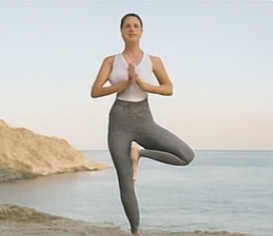
How to Practice Sankalpa:
- Choose a sincere and positive affirmation.
- Repeat it silently at the beginning and end of meditation or yoga practice with full awareness.
- Embody the qualities your Sankalpa represents in daily actions.
This subtle but potent practice creates an inner compass that guides you through turbulent times.
Yoga Nidra: The Yoga of Sleep for Deep Healing
Yoga Nidra, also called “yogic sleep,” is a guided meditation technique that induces deep relaxation and restores the nervous system. It traverses states between wakefulness and sleep where the subconscious mind is most receptive.
Practicing Yoga Nidra regularly offers:
- Relief from insomnia, anxiety, and stress.
- Processing of deep traumas and emotions.
- Heightened intuition and creativity.
A typical session involves body scanning, breath awareness, and visualization, gradually moving the practitioner into profound restful states. This practice aligns perfectly with the Yoga Sutras’ goal of quieting mental fluctuations to reveal the underlying bliss.
The Role of Svadhyaya: Self-Study and Reflection
Svadhyaya, or self-study, encourages honest examination of our thoughts, emotions, and behaviors.
- Journaling prompts can include: “What thoughts tend to pull me into negativity?” or “When do I feel most connected to peace?”
- Reading spiritual texts, including the Yoga Sutras, inspires insight and resilience.
- Use mindfulness throughout the day to catch reactive patterns as they arise.
This disciplined self-awareness leads to greater mastery over mind fluctuations and a deeper understanding of self, accelerating progress toward bliss.
Surrendering to the Flow: Ishvara Pranidhana
The practice of surrender means letting go of rigid control and trusting the unfolding of life. Ishvara Pranidhana teaches that while active effort is necessary, attachment to outcomes causes unnecessary suffering.
Surrender brings relief from the pressure of striving and fear of failure.
Cultivating Surrender:
- Practice gratitude regularly to acknowledge what is working.
- Use affirmations like “I trust in life’s wisdom.”
- Embrace uncertainty as fertile ground for growth.
- Meditate on the divine presence within to feel supported beyond ego will.
Through surrender, we find peace amid chaos and open to the bliss that resides untouched by external conditions.
Embodying Namaste Beyond Yoga Practice
Translating the essence of “Namaste” off the mat and into daily interactions enriches life:
- Approach conversations with genuine presence and respect.
- See conflict as a reflection of inner unrest and respond with compassion.
- Honor the light in others even when facing disagreement.
- Foster community connection grounded in mutual dignity.
This daily embodiment shifts collective energy and nurtures peaceful coexistence.
Closing Invitation: Begin Your Journey Now
Each moment offers a fresh opportunity to choose peace over chaos, light over darkness, awareness over distraction. Whether you start with a single breath, an ethical commitment, or a quiet meditation, the seeds of transformation are planted.
Yoga and meditation, illuminated by the wisdom of the Yoga Sutras, invite you to discover the bliss that always resides within—beyond negativity, beyond the noisy mind.
When you greet yourself and others with Namaste, you honor that sacred spark—the unshakeable peace and radiant joy that are your birt
Final Reflection: The Joy of the Journey
The path of spiritual growth is not about escaping chaos but transforming it into opportunities for awakening. Each meditation session, each ethical choice, each act of service shapes a more peaceful inner world—one that radiates outward in harmony and love.
Namaste encourages us to honor the divine presence within ourselves and others—acknowledging that bliss is always accessible when we quiet the noise and connect with our higher selves.
As you deepen your practice, remember: the journey to bliss beyond negativity is uniquely yours. Embrace it with patience, compassion, and unwavering trust in the transformative power of yoga and meditation.