Introduction
Brief overview of , mudras, and Kriya Yoga, and why integrating these practices leads to holistic transformation.
Understanding Bhujangasana: The Cobra Pose
- Origin and significance in yoga
- Physical benefits: back strength, spinal flexibility, digestion, respiratory improvement
- Energetic effects: activating the heart chakra and awakening kundalini energy
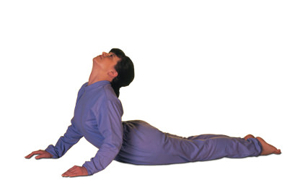
- Proper steps and alignment for practicing Bhujangasana safely
The Role of Mudras in Enhancing Bhujangasana’s Benefits
- What are mudras?
- How mudras influence prana (life energy) flow
- Common mudras suitable during Bhujangasana
- Detailed explanation of three powerful mudras to integrate
Overview of Kriya Yoga and Its Spiritual Dimensions
- Origins and philosophy behind Kriya Yoga
- The practice of breath control (Pranayama) and meditation in Kriya Yoga
- How Kriya Yoga cultivates higher consciousness and inner peace
- Synergies between Bhujangasana, mudras, and Kriya Yoga
Step-by-Step Guide to Integrating Bhujangasana, Mudras, and Kriya Yoga
- Preparing the body and mind
- Performing Bhujangasana with mudras
- Incorporating Kriya Yoga breathing techniques within the posture
- Suggested sequence for daily practice
- Tips for beginners and cautions
Holistic Benefits of Integrating Bhujangasana, Mudras, and Kriya Yoga
- Physical transformations: flexibility, strength, vitality
- Energetic and mental benefits: clarity, focus, emotional balance
- Spiritual awakening and deeper self-awareness
- Case studies or testimonial excerpts (if available)
Practical Tips for Sustaining Your Practice
- Creating a conducive environment
- Tracking progress and setting intentions
- Overcoming common challenges
- Resources for further learning
Unlock the Power of Bhujangasan: Integrate Mudras and Kriya Yoga for Holistic Transformation
Introduction
Yoga is much more than just physical postures; it is a harmonious blend of body, mind, and spirit working together toward holistic well-being and transformation. Among the many powerful yogic tools available, or the Cobra Pose stands out for its ability to open the chest and spine, invigorate the nervous system, and awaken inner energy. When combined with mudras—symbolic hand gestures that direct the flow of prana—and the profound meditative practice of Kriya Yoga, Bhujangasana becomes a gateway to deep healing and spiritual awakening. This blog explores how to unlock the full power of Bhujangasana by integrating mudras and Kriya Yoga, offering you a path to holistic transformation.
Understanding Bhujangasana: The Cobra Pose
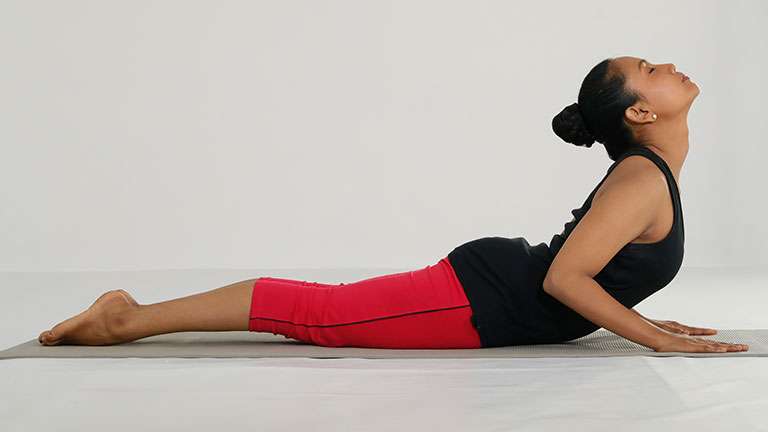
, named after the serpent or cobra, is a foundational backbend in Hatha Yoga revered for its rejuvenating effects on the spine and nervous system. References to this posture date back to classical yoga texts emphasizing its significance in stimulating vital energy.
Physically, it strengthens the muscles around the spine, improves posture, enhances spinal flexibility, and opens up the chest—facilitating better lung capacity and oxygen intake. This makes it excellent for digestive health and boosting energy levels. It also activates the heart chakra (Anahata), fostering emotional openness and compassion.
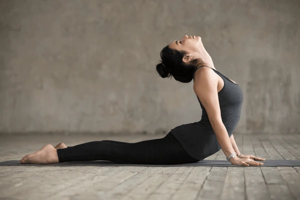
To perform :
- Lie flat on your stomach, legs extended with the tops of your feet on the floor.
- Place your palms flat under your shoulders, elbows close to your body.
- Inhale, pressing your palms into the floor, slowly lift your chest using your back muscles rather than pushing strongly with your hands.
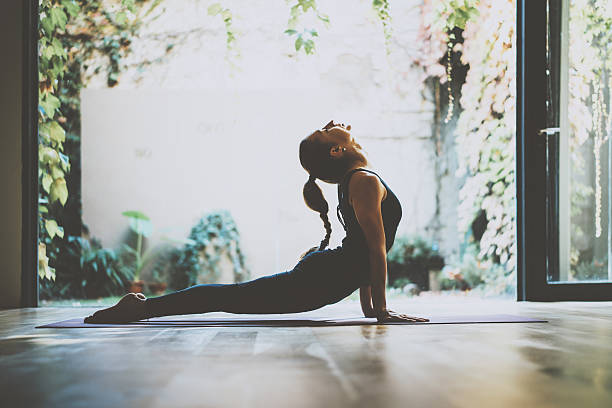
- Arch your back as comfortably as possible without strain, keep shoulders relaxed away from ears.
- Gaze gently forward or slightly upward.
- Hold for 15-30 seconds breathing smoothly, then exhale and slowly lower down.
Proper spinal alignment and mindful breathing are crucial to reap its full benefits and avoid injury.
The Role of Mudras in Enhancing Bhujangasana’s Benefits
Mudras are ancient hand gestures that channel and balance subtle energies through specific finger placements. According to yogic philosophy, the body’s prana circulates through energy channels (nadis), and mudras help open blockages and direct this vital force with intention.
Mudras can amplify the holistic effects of by elevating energy flow to particular chakras or calming the mind. Here are three mudras you can integrate during your practice:
- Jnana Mudra (Gesture of Wisdom): Touch the tip of the thumb and index finger together while keeping the other fingers extended. This mudra enhances concentration and insight, supporting meditation during holding the pose.
- Prana Mudra (Gesture of Life): Join the tip of the thumb with the ring and little fingers. It invigorates the energy body, enhances vitality, and stimulates the root chakra, injecting strength while arching the spine.
- Anjali Mudra (Prayer Gesture): Palms pressed together at the chest center. This mudra centers the mind and heart, cultivating gratitude and balance, making it perfect as a preparatory or concluding gesture in practice.
Integrating these mudras not only intensifies the pranic energy flow but also deepens your awareness and connection to the posture.
Overview of Kriya Yoga and Its Spiritual Dimensions
Kriya Yoga is a meditative and breathing-based yogic path popularized by Paramahansa Yogananda, focusing on accelerating spiritual growth through conscious breath control and energy purification techniques. It is often described as a science of breath and mind that awakens latent spiritual energy (kundalini) gently and safely.
The key elements of Kriya Yoga include:
- Pranayama: Controlled breathing techniques to regulate prana and calm the nervous system.
- Meditation: Focused attention to expand awareness and dissolve mental constraints.
- Spiritual Philosophy: Emphasizes direct experience of divine consciousness through disciplined practice.
Combining Kriya Yoga with and mudras creates a practice that not only benefits the body but also elevates your consciousness and emotional resilience.
Step-by-Step Guide to Integrating Bhujangasana, Mudras, and Kriya Yoga
To begin, prepare your space by sitting quietly for a few moments, setting an intention for your practice—whether it’s healing, stress relief, or spiritual growth.
- Starting Position: Lie down in setup position as described.
- Apply a Mudra: Choose one mudra (e.g., Prana Mudra) and form it with your fingers while placing your palms under your shoulders.
- Breath Awareness: Begin Kriya Yoga breathing (such as a slow, deep inhalation through the nose, retention for a few breaths, and controlled exhalation). Synchronize this pranayama with your ascent and descent in Bhujangasana.
- Lift into Cobra Pose: Inhale deeply, engage your back muscles to lift, holding the mudra in your hands, maintaining smooth breathing.
- Meditative Focus: Hold the posture while focusing your mind on breath, prana flow, or a mantra aligned with Kriya Yoga principles.
- Release and Rest: Exhale calmly and gently lower your chest, release the mudra, and rest in a prone or Child’s Pose for a few breaths.
Practice this sequence for 5-10 rounds daily, progressively increasing hold time as your body adapts.
Holistic Benefits of Integrating Bhujangasana, Mudras, and Kriya Yoga
This integrative practice promotes:
- Physical vitality: Enhanced spinal flexibility, improved posture, and increased lung function.
- Energetic balance: Opened and aligned chakras, smoother prana flow, and awakened kundalini energy.
- Mental clarity: Heightened concentration, calm emotions, reduced stress and anxiety.
- Spiritual expansion: A direct experience of inner peace, expanded consciousness, and connection to universal energy.
Practitioners often report sustained energy levels, emotional resilience, and a deeper sense of purpose after consistent practice.
Practical Tips for Sustaining Your Practice
To maintain and deepen your transformation:
- Practice at the same time daily, preferably early morning.
- Wear comfortable clothing and practice on a yoga mat in a quiet, well-ventilated space.
- Journal your experiences after practice to track subtle changes.
- Stay patient; holistic transformation unfolds gradually.
- Consult a qualified yoga instructor if unsure about technique or if you have back issues.
Expanding on Bhujangasana: Ancient Roots, Modern Power
it owes its place in the yogic repertoire to both its mythic roots and its profound physiological effects. In ancient texts such as the Hatha Yoga Pradipika and the Gheranda Samhita, the cobra is a symbol of latent energy and transformation. The pose itself is reminiscent of a cobra poised and alert, representing both strength and graceful awareness.
The physical execution of , as described earlier, is deceptively simple; yet its benefits extend deeply. When practiced with conscious alignment and subtle engagement, Bhujangasana:
- Relieves chronic lower back pain by strengthening the erector spinae and paraspinal muscles.
- Opens the ribcage, heart, and shoulders, promoting optimal breathing mechanics.
- Stimulates abdominal organs including kidneys, liver, spleen, and digestion, combating sluggish metabolism.
- Helps regulate adrenal glands, counteracting fatigue and anxiety.
Beyond the anatomical, gentle backward arch encourages openness and vulnerability—qualities that cultivate courage and receptivity off the mat.
Bhujangasana and the Energy Body
Yogic philosophy teaches that we are more than just flesh and bones; we are energetic beings, with systems of subtle energy known as chakras and nadis. directly influences this energetic anatomy:
- Solar Plexus (Manipura) Chakra: Located above the navel, the solar plexus is the seat of willpower, digestion, and personal transformation. The upward stretch and arch activate this region, inviting clarity and dynamism.
- Heart (Anahata) Chakra: As the chest lifts and spreads, love, compassion, and interpersonal connection are enhanced.
- Kundalini Awakening: it is often included in kundalini practices as it symbolically “awakens” the snake-like energy at the base of the spine—preparing it to rise up.
When performed mindfully, becomes a moving meditation, bridging the physical body and energetic reality.
Mudras: Amplifying Transformation with Sacred Gestures
Mudras are more than gestures—they are energetic codes, a silent language that rewires your inner circuitry. When coupled with asana, especially , the effects can be remarkable.
More About Mudras
Each mudra corresponds to different elements (earth, water, fire, air, ether) and regulates subtle forces. Scientific studies suggest mudras can influence electrical activity in the brain and nervous system, reduce anxiety, and improve focus.
Advanced Mudras
- Surya Mudra: Bend the ring finger to the base of the thumb and press gently with the thumb. Enhances metabolism and body heat, making it ideal for older practitioners or those seeking weight management.
- Hridaya Mudra: Tip of index pointing into the base of the thumb, middle and ring fingers touching the thumb. Often used to open and heal heart-centered emotions during deep backbends.
- Apana Vayu Mudra: Used for decompressing the digestive tract and stabilizing emotional turbulence.
Practicing these mudras during Bhujangasana multiplies the posture’s effects, channeling your intention into a living stream of subtle energy.
Kriya Yoga: Meditative Movement and Inner Alchemy
Kriya Yoga is a living tradition aimed at spiritual evolution through precise breathwork and meditation. Its core principle rests on purification—cleansing both the body and the mind so that inner light shines forth.
Kriya Techniques to Combine with Bhujangasana
- Kriya Pranayama: Practice slow inhalations counting to four, hold for four, exhale for four, and rest for four. This “square breath” calms anxiety and enhances mindfulness in the pose.
- Inner Visualization: While in Bhujangasana, imagine prana flowing up the spinal column, illuminating each chakra as you breathe deeply.
- Mantra Integration: Silently repeat seed mantras (such as “Om Hridayam”) to reinforce spiritual intent while maintaining the pose.
This integration of breath, mantra, and mudra creates a “meditative movement”—physical, energetic, and spiritual systems working as one.
Practical Sequences for Transformation
Here is a more detailed step-by-step sequence, combining , mudras, and Kriya Yoga techniques for holistic transformation:
- Preparation: Sit in a comfortable position. Close your eyes for 2-3 minutes, setting your intention (healing, energy, peace).
- Warm-Up: Mobilize the spine gently with Cat-Cow poses or gentle twists.
- Mudra: Move into the Cobra Pose. Choose one advanced mudra based on your intent (Surya Mudra for vitality, Hridaya Mudra for emotional healing).
- Kriya Breath: Practice four-count breathing as you hold Bhujangasana. Visualize energy rising through the spine.
- Release: Exhale smoothly, return to the mat, and rest in Makarasana (Crocodile Pose) to integrate the effects.
- Meditation: After the physical practice, sit in easy pose (Sukhasana), hands in Anjali or Jnana Mudra, focus on the breath for 5-10 minutes.
- Closure: Express gratitude internally, journal your experience, and observe any shifts throughout the day.
Repeating this sequence consistently creates a momentum of transformation that ripples into all areas of your life.
Overcoming Common Challenges
Modern practitioners may face certain hurdles while practicing Bhujangasana, mudras, and Kriya Yoga:
- Physical Limitations: Stiffness in the spine or shoulders can restrict movement. Solution: Use props (a folded blanket under the pelvis), warm-up thoroughly, and avoid overexertion.
- Mental Distraction: Racing thoughts can diminish meditative effects. Solution: Use mantra repetition, slow breath, and gentle focus on bodily sensations.
- Emotional Blockages: Backbends can unearth suppressed emotions. Solution: Cultivate self-compassion, allow tears or release, and seek support from a teacher or group if needed.
- Consistency: Difficulty in maintaining daily practice. Solution: Set achievable goals, use reminders, and celebrate small victories.
Understanding that each practice session is unique liberates you from perfectionism and opens the door to real growth.
Bhujangasana and Holistic Health: The Science
Recent studies on yoga’s therapeutic impact confirm what yogic sages have intuited for millennia:
- Spinal Health: Regular backbending, including , increases serum anti-inflammatory markers, reducing chronic pain risks.
- Hormonal Balance: The gentle pressure on adrenal glands and thyroid stimulates production of supportive hormones for energy and metabolism.
- Mental Wellness: Backbends boost serotonin and dopamine, aiding depression and anxiety management.
Yoga researchers emphasize the importance of integrating breath and mindfulness, noting that results are exponentially better when postures are combined with meditative focus or mudras.
Case Studies and Real-Life Testimonies
Many practitioners have experienced dramatic changes by consistently practicing with mudras and Kriya Yoga.
- Ritu, 38, Mumbai: After three months of integrated practice, she observed reduced back stiffness and enhanced resilience to stress. “My mornings are brighter. The inner calm I feel remains through my workday.”
- James, 52, London: Suffering from digestive issues and emotional burnout, James reports “With mudras and conscious breathing, Bhujangasana feels more like an inner massage. There’s clarity now, as if the fog has lifted.”
- Priya, 28, Delhi: A yoga teacher, Priya adds “Kriya Yoga connects me to the source of joy. Bhujangasana with Hridaya Mudra helped me face emotional wounds and release them gently.”
Such stories reveal that transformation flows not just at the physical level, but percolates into the emotional and spiritual layers of our lives.
Philosophical Dimensions: Transformation Beyond Fitness
Yoga, in its purest form, is a path of inner awakening. When you combine , mudras, and Kriya Yoga, you step into a journey that:
- Cultivates Svadhyaya (self-study): You observe your inner landscape, becoming aware of habitual patterns and emotional residues.
- Encourages Tapas (discipline): Regular practice builds resilience and adaptability for life’s challenges.
- Invokes Ishvara Pranidhana (surrender): You learn to relinquish control, trusting in the process of transformation.
Teachers often highlight that what happens on the mat is a rehearsal for life off the mat. If you can open your heart in , surrender in Kriya breath, and steady your intent with mudras, you will find resilience and clarity in daily living.
Advanced Integration: Bhujangasana for Subtle Energy Healing
Experienced yogis recommend visualizing healing light during , combining the physical stretch with subtle energy work:
- Imagine golden light entering through the crown, flowing down the spine as you arch into Bhujangasana.
- Direct healing intentions toward any area of discomfort, using mudras as “antennas” for universal energy.
- Coordinate Kriya breath with visualization, feeling the expansiveness in both body and energy field.
Such integrated approaches echo ancient tantric practices, where asana, breath, mudra, and visualization converge for profound healing.
Practical Lifestyle Strategies for Deepening Practice
Transformation is sustainable when you align your practice with life’s rhythms:
- Consistency: Even five minutes of integrated practice daily is more powerful than sporadic long sessions.
- Ritual Setting: Light a candle, play gentle music, purify the air with incense or essential oils.
- Support System: Join online communities or local yoga classes, share experiences, and learn from others.
- Reflection: Write in a journal weekly, noting changes in mood, physical capacity, and life perspective.
- Rest and Nutrition: Honor your body with wholesome food and quality sleep, supporting the healing process.
Anchor your practice in self-love, curiosity, and humility—the fruits will surprise and delight you.
Exploring Further: Resources and References
For those eager to dive deeper:
- Read classic texts: “Autobiography of a Yogi” (Paramahansa Yogananda), “Light on Yoga” (B.K.S. Iyengar), and “The Heart of Yoga” (T.K.V. Desikachar).
- Enroll in certified Kriya Yoga courses to learn safe techniques.
- Seek experienced teachers who integrate mudra and subtle energy work in their teaching.
Remember, a single posture practiced with awareness can shift your entire existence.
Conclusion
it is far more than a physical stretch—it is an invitation to open, heal, and evolve. By integrating mudras and Kriya Yoga into your practice, you transform everyday movement into sacred ritual and personal growth. The journey from stiffness and limitation to openness and freedom is not measured solely in physical mobility, but by the expansion of your awareness, compassion, and spiritual strength.
Make this integrated practice your own. Approach each session with patience and reverence. Over time, the power unlocked in Bhujangasana will ripple through your life, awakening creativity, confidence, and contentment. As you embody this holistic transformation, you contribute to the healing of not only yourself, but also the collective consciousness.