Modern life moves at unparalleled speed. Between endless notifications, deadlines, and responsibilities, our minds rarely find stillness. Meditation, however, remains a timeless tool to nurture peace, mental strength, and emotional clarity. Among its vast array of techniques, two—Kapalbhati Pranayama and Mindfulness Meditation—stand out for their capacity to balance mind and body, driving deep and lasting calm.
In this comprehensive guide, we’ll explore seven powerful meditation techniques that can transform your mental landscape and help you tap into a profound state of tranquility. Together, these practices weave breath, body, and awareness into a single, harmonious rhythm.
Understanding the Essence of Meditation
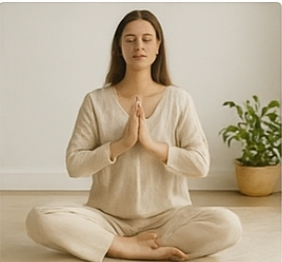
Before diving into techniques, it’s essential to understand what meditation truly means. Meditation is not about escaping thoughts—it’s about befriending them. It trains the mind to rest in awareness rather than react, allowing one to witness thoughts, sensations, and emotions without attachment.
This self-observation leads to:
- Enhanced focus and emotional stability
- Reduced anxiety and stress
- Deeper spiritual connection
- Improved energy regulation
- Heightened presence in everyday life
While different traditions offer various paths to meditation—like yogic pranayamas, Buddhist vipassana, or mindful breathing—the destination remains the same: mental stillness and self-clarity.
The Science Behind Meditation
Over the past two decades, neuroscience has illuminated meditation’s profound effects on the brain:
- Reduced amygdala activity: Less emotional reactivity and anxiety.
- Increased prefrontal cortex thickness: Improved executive function, focus, and resilience.
- Boosted gray matter density: Better memory, empathy, and self-awareness.
- Enhanced neuroplasticity: Greater adaptability to stress and change.
Practicing meditation consistently for even 10–15 minutes a day can realign the nervous system, calm cortisol spikes, and improve heart rate variability—all signs of balanced well-being.
1. Kapalbhati Pranayama: The Yogic Breath of Fire
Origin and Meaning
Kapalbhati, a Sanskrit term meaning “skull-shining breath,” originates from the yogic science of pranayama. Rooted in the Hatha Yoga Pradipika, it’s hailed not just as a breathing exercise but as an energetic purification practice. The rhythmic exhalations cleanse the respiratory tract, awaken inner energy, and rejuvenate the mind.
How It Works
Kapalbhati involves passive inhalations and forceful exhalations through the nose, driven by the contraction of abdominal muscles. The emphasis lies in exhaling short bursts of air, allowing the inhalation to occur naturally.
Step-by-Step Guide
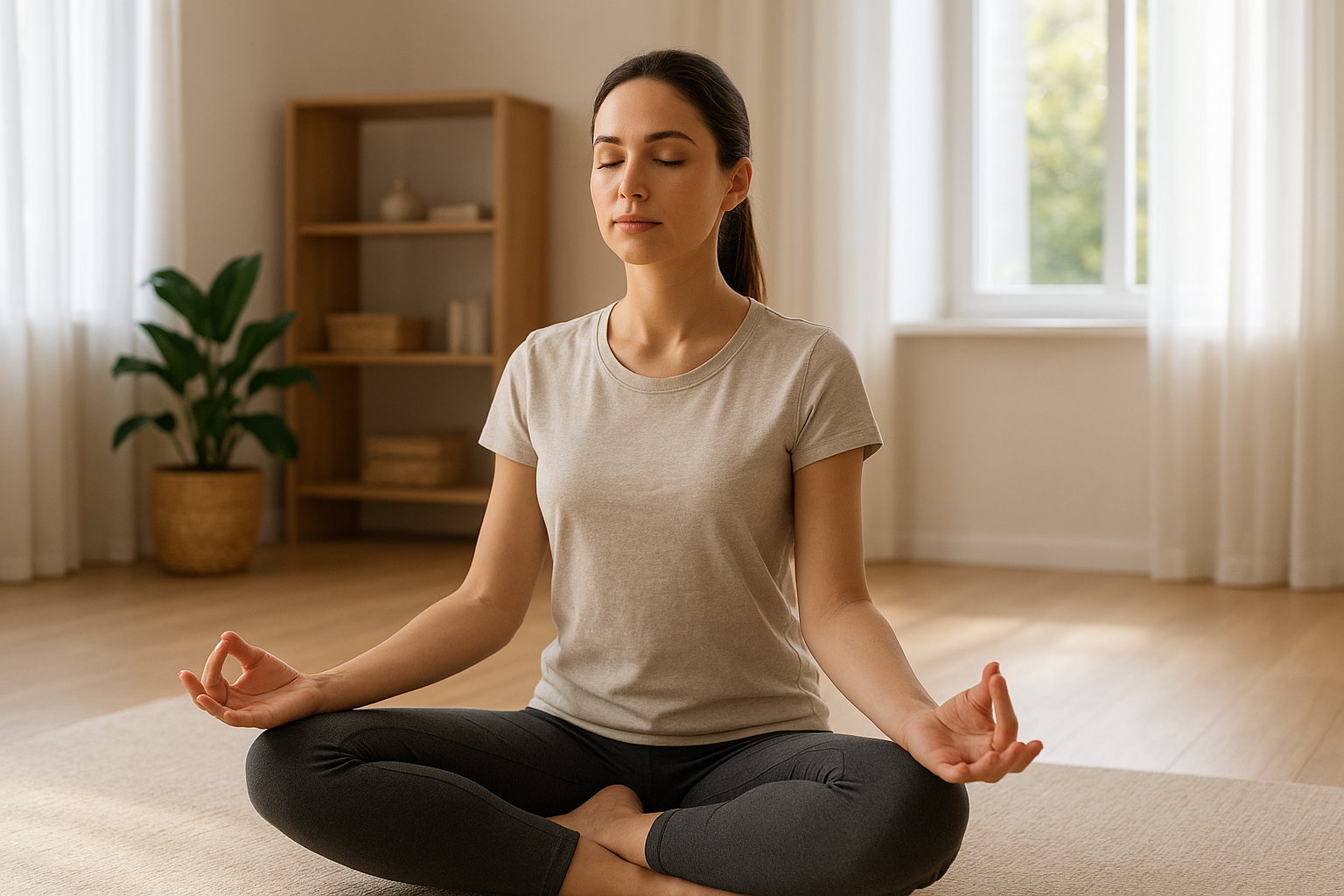
- Sit comfortably in a cross-legged posture (Sukhasana or Padmasana).
- Keep your back straight, shoulders relaxed, and chin slightly tucked.
- Take a deep breath in to start.
- Begin forceful, rhythmic exhalations through the nose, pulling your navel toward the spine each time.
- Allow inhalations to happen automatically.
- Continue this for 30–60 seconds (one round), then rest.
- Complete 3–5 rounds daily.
Benefits of Kapalbhati
- Detoxifies lungs and sinuses
- Enhances oxygen supply to the brain
- Improves digestion and metabolism
- Stabilizes emotions by balancing prana (life force)
- Aids concentration and dispels mental lethargy
Caution: Avoid during pregnancy or if experiencing high blood pressure, hernia, or heart conditions. Practice under guidance if new.
2. Mindfulness Meditation: The Art of Present Awareness
The Core Principle
Mindfulness is the simple yet profound practice of being fully present. Instead of judging or avoiding sensations and thoughts, mindfulness invites us to notice them with compassion. It derives from ancient Buddhist traditions but has become the cornerstone of modern stress reduction therapies, such as Mindfulness-Based Stress Reduction (MBSR) developed by Jon Kabat-Zinn.
How to Practice Mindfulness Meditation
- Find a quiet corner and sit comfortably.
- Bring your attention to the breath—observe the natural flow of inhalation and exhalation.
- Notice sensations in your body, sounds around you, and passing thoughts.
- Each time the mind wanders, gently bring it back to the rhythm of your breathing.
- Continue for 10–15 minutes, gradually increasing duration.
Key Benefits
- Decreases anxiety and emotional volatility
- Improves cognitive performance and focus
- Enhances empathy and emotional regulation
- Promotes restful sleep
- Strengthens resilience under stress
Linking with Kapalbhati
Practicing Kapalbhati before mindfulness meditation can amplify the effects. The active breathwork clears mental fog, preparing the mind to settle into quiet observation with ease.
3. Loving-Kindness Meditation (Metta Bhavana)
The Essence of Compassion
Loving-Kindness Meditation (or Metta Bhavana in Pali) cultivates empathy, warmth, and benevolence toward oneself and others. Instead of focusing solely on breath or awareness, this technique opens the heart center, fostering deep emotional healing.
Practice Steps
- Sit quietly and center your breath.
- Begin by directing kind thoughts toward yourself—wishing happiness, peace, and safety.
- Gradually expand these wishes to loved ones, acquaintances, and even those you struggle with.
- End with a universal invocation of goodwill toward all beings.
Benefits
- Increases compassion and forgiveness
- Reduces anger and resentment
- Encourages emotional healing after trauma
- Enhances feelings of connectedness
Combining Loving-Kindness with Mindfulness Meditation can soften inner rigidity, helping you dwell in kind awareness rather than self-criticism.
4. Body Scan Meditation: Reconnecting with the Physical Self
The Body Scan technique integrates awareness and relaxation by systematically moving attention through different parts of the body. Originating from mindfulness-based programs, it is particularly effective for those combating physical tension or insomnia.
How to Do a Body Scan
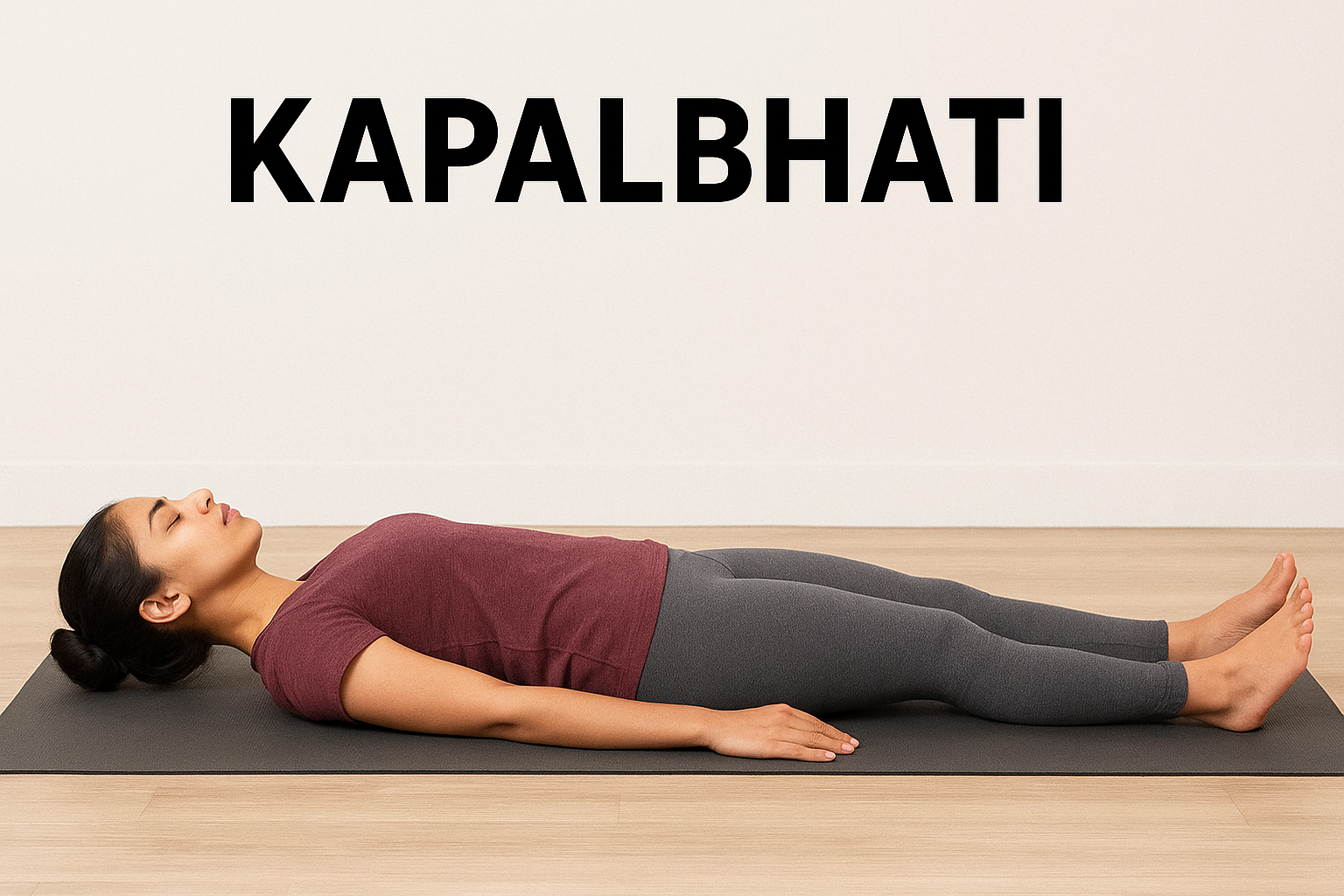
- Lie down comfortably or sit upright.
- Close your eyes and bring awareness to your feet.
- Gradually move attention upward—legs, abdomen, chest, arms, neck, and head.
- Notice any tension, pain, or warmth without trying to change it.
- Breathe into sensations as you gently release tightness.
Benefits
- Reduces muscle tension
- Enhances body awareness and sensory perception
- Aids in pain management
- Improves sleep quality
Best Time to Practice
Evening or bedtime body scans help transition the mind from alertness to relaxation, especially when paired with deep breathing.
5. Mantra Meditation: The Sound of Stillness
Power of Vibrational Focus
Mantra meditation engages mental focus through repetitive sound or vibration, which centers attention and calms the restless mind. The Sanskrit word mantra translates to “instrument of thought.” When repeated consciously, a mantra can synchronize mental waves with serene frequencies.
Common Mantras
While traditional Sanskrit mantras like Om, So Hum, or Om Shanti are deeply symbolic, you can also use affirmations in your own language, such as “I am calm” or “Peace is within me.”
Practice Method
- Sit comfortably with spine straight.
- Choose a mantra that resonates with you.
- Close your eyes and repeat it mentally or aloud in rhythm with your breath.
- Focus on the sound vibration without forcing concentration.
- Continue for 10–20 minutes.
Benefits
- Deepens concentration and inner tranquility
- Aligns mind and breath rhythm
- Reduces internal chatter
- Evokes positive emotions and self-confidence
Integrating short mantra repetitions into transitions throughout the day—before meetings or stressful tasks—can sustain mindfulness beyond static meditation sessions.
6. Trataka: Concentrated Gazing for Mental Clarity
What Is Trataka?
Trataka means “steady gazing” and is a powerful form of concentration meditation from yoga’s Shatkarma purification tradition. It enhances vision, cognition, and mental focus by fixing one’s gaze on a single object, typically a candle flame or symbol.
Step-by-Step Guide
- Sit in a dark, comfortable room with a candle lit at eye level.
- Gaze steadily at the flame’s tip without blinking for as long as possible.
- When eyes water, close them and visualize the flame in your mind’s eye (Ajna chakra area).
- Repeat 2–3 rounds.
Benefits
- Sharpens eyesight and memory
- Improves mental steadiness
- Cleanses and activates the third-eye chakra
- Reduces restlessness and improves sleep
Pro Tip: Pair Trataka with Kapalbhati for comprehensive mind purification—breath cleanses energy channels while gaze meditation refines focus.
7. Transcendental Meditation (TM): Effortless Awareness
The Philosophy
Popularized by Maharishi Mahesh Yogi, Transcendental Meditation (TM) fosters restful awareness without concentration or control. Practitioners silently repeat a personalized mantra, allowing the mind to transcend active thinking and rest in pure consciousness.
Practice Outline
- Sit comfortably with eyes closed.
- Allow thoughts to arise naturally while gently returning to the chosen mantra.
- Avoid effort or evaluation; the mind naturally settles into deeper quiet.
- Practice twice daily for 15–20 minutes.
Benefits
- Profound stress reduction
- Enhanced creativity and intuition
- Stable emotional health
- Deeper states of inner peace
TM pairs beautifully with mindfulness: the former allows transcendence beyond thought, while the latter refines moment-to-moment awareness.
Integrating These Techniques into Daily Life
Meditation isn’t confined to a cushion—it’s a way of life. Integrating these seven techniques across your day can weave mindfulness into work, relationships, and daily tasks. Here’s how:
Morning Routine
Start with Kapalbhati to energize your system, followed by Mindfulness Meditation. This combination clears the mind and sets a focused tone for the day.
Midday Reset
During lunch or breaks, engage in Mantra Meditation or Trataka to restore concentration and prevent digital fatigue.
Evening Wind-Down
Close your day with a Body Scan or Loving-Kindness Meditation, releasing accumulated tension and reinforcing emotional balance.
Weekly Deep Practice
Dedicate one or two longer sessions weekly to Transcendental Meditation or extended Mindfulness practice, deepening your state of awareness.
Synergy Between Kapalbhati and Mindfulness
At the heart of this article lies the profound union of Kapalbhati Pranayama and Mindfulness Meditation. When practiced together, they blend the dynamism of breath with the stillness of presence.
Why They Work So Well Together
- Physiological Balance: Kapalbhati stimulates the sympathetic nervous system briefly but ends with parasympathetic dominance, leading to deep calm—perfect for mindfulness afterward.
- Mental Preparation: The rhythmic breathing purges inner restlessness and mental fog, making mindfulness easier.
- Enhanced Focus: Conscious breath regulation trains attention, a skill directly transferrable to mindful awareness.
- Energetic Activation: Kapalbhati raises prana shakti, fueling deeper meditative absorption (Dhyana).
Sample Combined Practice (20 Minutes)
- Kapalbhati (5 minutes): Active breathwork to cleanse and energize.
- Deep Natural Breathing (2 minutes): Transition phase for heart rate stabilization.
- Mindfulness Meditation (10–12 minutes): Observe the mind, breath, and emotions with full awareness.
- Gratitude Reflection (1 minute): End the session by silently expressing thanks.
This approach grounds the mind in stillness while radiating energy evenly throughout the body—a complete meditation circuit for body, breath, and consciousness.
Tips for Sustaining Meditation Practice
1. Start Small and Stay Consistent
Commit to five minutes daily and expand gradually. Consistency develops habit pathways that deepen results over time.
2. Create a Dedicated Space
Choose a quiet corner with minimal distractions. A small mat, candle, and incense can anchor the mood.
3. Use Guided Meditations
For beginners, guided sessions help maintain focus and structure. Apps and online teachers provide accessible options.
4. Journal After Practice
Writing brief reflections reveals patterns—emotional releases, calm periods, or insights—that nurture awareness growth.
5. Honor Nonlinear Progress
Some days feel peaceful, others distracted. Meditation encourages acceptance rather than performance. Every session counts.
Meditation and Modern Well-Being
In our age of overstimulation, meditation is the ultimate detox for the overstressed individual. Beyond relaxation, it’s a transformative practice reprogramming the nervous system to favor balance over burnout.
When practiced consistently:
- It lowers baseline stress hormones (cortisol, adrenaline).
- Enhances immune response and digestion.
- Improves emotional intelligence and relationships.
- Promotes creative problem-solving through lateral thinking.
Corporations, athletes, and even schools now integrate mindfulness and breathwork training to boost performance and empathy—proof of meditation’s universal relevance.
Ancient Wisdom Meets Modern Science
Yoga and meditation’s ancient frameworks are now echoed in scientific findings. Kapalbhati, for instance, increases oxygenation and enhances cerebral blood flow, while mindfulness awareness reconfigures emotional regulation centers in the brain. Together, they bridge two worlds: ancient intuition and modern evidence.
Consider the overlap:
| Yogic Understanding | Scientific Correspondence |
|---|---|
| Cleansing of Nadis (energy channels) | Improved autonomic nervous function |
| Prana balance | Enhanced brain oxygenation |
| Dharana (concentration) | Strengthening of attention networks |
| Dhyana (meditation state) | Reduced amygdala activity, increased neuroplasticity |
Meditation stands as both spiritual evolution and neurobiological optimization—the perfect confluence of inner peace and brain health.
Overcoming Common Challenges
“I can’t stop thinking.”
Meditation isn’t about stopping thoughts but shifting your relationship to them. Observe without engagement.
“I fall asleep.”
Practice earlier in the day, keep your spine active, or open eyes partially.
“I feel restless.”
Try dynamic breathwork like Kapalbhati before sitting—movement often prepares the mind for stillness.
“I don’t have time.”
Even micro-meditations—two mindful breaths before answering a call—retrain awareness.
The secret lies in mindfulness off the mat—breathing consciously while driving, cooking, or walking.
The Path Ahead: Turning Practice Into Transformation
Meditation unfolds in stages. Initial calmness deepens into expanded self-awareness, followed by equanimity and eventually insight. By weaving together these seven techniques—Kapalbhati, Mindfulness, Loving-Kindness, Body Scan, Mantra, Trataka, and Transcendental Meditation—you activate a holistic wheel of self-evolution.
To sustain transformation:
- Practice daily, however briefly.
- Alternate active (Kapalbhati, Trataka) with passive (Mindfulness, TM) meditations.
- Reflect weekly on emotional and behavioral shifts.
With time, the turbulence of thought quiets, revealing the serene ocean beneath.
FAQs About Meditation, Kapalbhati, and Mindfulness
1. How long should I practice meditation each day?
Beginners can start with 5–10 minutes daily, gradually extending to 20–30 minutes as comfort and focus improve. Consistency matters more than duration, so aim to practice at the same time each day.
2. Can I practice Kapalbhati every day?
Yes. Kapalbhati can be done daily, preferably in the morning on an empty stomach. Start with 30–60 strokes per round and increase slowly with practice. Avoid overexertion and always maintain steady breathing afterward.
3. Is Kapalbhati safe for everyone?
Not entirely. People with high blood pressure, heart disease, recent surgery, hernia, or pregnancy should avoid or consult a qualified yoga instructor before practicing Kapalbhati.
4. What is the best time to meditate?
Traditionally, early morning (Brahma Muhurta—around sunrise) and evening (sunset) are ideal. These are quiet, energetically balanced times conducive to deep awareness. However, any consistent time works as long as you can practice undisturbed.
5. Does mindfulness meditation require any spiritual belief?
No. Mindfulness is a secular practice grounded in attention training and awareness. It benefits anyone seeking reduced stress, better focus, and emotional balance, regardless of religion or belief system.
6. How do I combine Kapalbhati and Mindfulness effectively?
Begin with 5 minutes of Kapalbhati to energize and clear the mind, followed by 10–15 minutes of Mindfulness Meditation. This sequence aligns physical vitality with mental stillness for deeper concentration and inner peace.
7. What should I do if I get distracted during meditation?
Distraction is natural. When you notice wandering thoughts, gently return your attention to the breath, mantra, or chosen focus. Each redirection strengthens your mental discipline.
8. Can meditation replace medical treatment?
Meditation complements but does not replace medical care. While it assists in managing stress, anxiety, and chronic conditions, always follow professional medical advice for diagnosis and treatment.
9. How soon can I expect results from daily meditation?
Some benefits—like improved relaxation and focus—may appear after a few sessions. Long-term advantages, such as emotional resilience and profound calm, develop gradually over weeks or months of consistent practice.
10. What’s the difference between mindfulness and concentration?
Concentration focuses attention on one object, such as breath or mantra. Mindfulness, on the other hand, is open awareness of the present moment—thoughts, sensations, and emotions—without judgment. Both complement each other and can be practiced together.
11. Can I meditate lying down?
Yes, especially for relaxation or body scan practices. However, lying down may induce sleep, so for alert meditations like Kapalbhati or mindfulness, sitting upright is preferable.
12. Do I need a teacher to learn meditation?
While basic meditation can be self-taught through credible resources, a teacher can guide correct breathing, posture, and technique—especially for advanced pranayama like Kapalbhati or Transcendental Meditation.
13. How do I know if I’m meditating correctly?
Signs include calmer breathing, clearer thoughts, emotional stability, and a sense of lightness or centeredness after practice. Perfection isn’t the goal—presence is.
14. Can children or older adults practice these techniques?
Yes, with proper guidance. Minors should focus on simple breathing and mindfulness, while seniors can benefit greatly from gentle pranayamas and relaxation-based meditations like the Body Scan or Loving-Kindness practices.
15. How can I stay motivated to meditate daily?
Set small goals, create a quiet space, track progress in a journal, or join a meditation group. Remember the ultimate reward: a peaceful and balanced mind that serves you throughout life.
Final Reflection: Finding Lasting Calm Within
In essence, calm is not something discovered—it’s something unveiled. The noise of daily life merely clouds an already luminous mind. Kapalbhati purifies that surface; mindfulness allows the light beneath to shine.
When you merge breath mastery with conscious awareness, meditation transcends exercise—it becomes a way of being. Every breath, step, and word begins to reflect mindful clarity. That is lasting calm: the quiet joy of being fully alive.