Yoga Nidra and Face Yoga: The Ultimate Mind-Body Relaxation Practice
In the fast-paced rhythm of our modern lives, the search for stillness has become a quiet revolution. More and more people are turning to ancient yogic practices not just for physical fitness, but for mental clarity, emotional resilience, and inner balance. Among these transformative practices, Yoga Nidra and Face Yoga are rising stars — subtle, yet incredibly powerful tools for rejuvenating both the mind and body.
While Yoga Nidra takes you on an inward journey of conscious sleep, Face Yoga brings awareness to the face — the mirror of our emotions. Together, they form a seamless bridge between rest and radiance, stillness and self-expression.
This is the story of how these two practices come together to form the ultimate relaxation ritual for today’s overstimulated world.
Understanding the Essence of Yoga Nidra
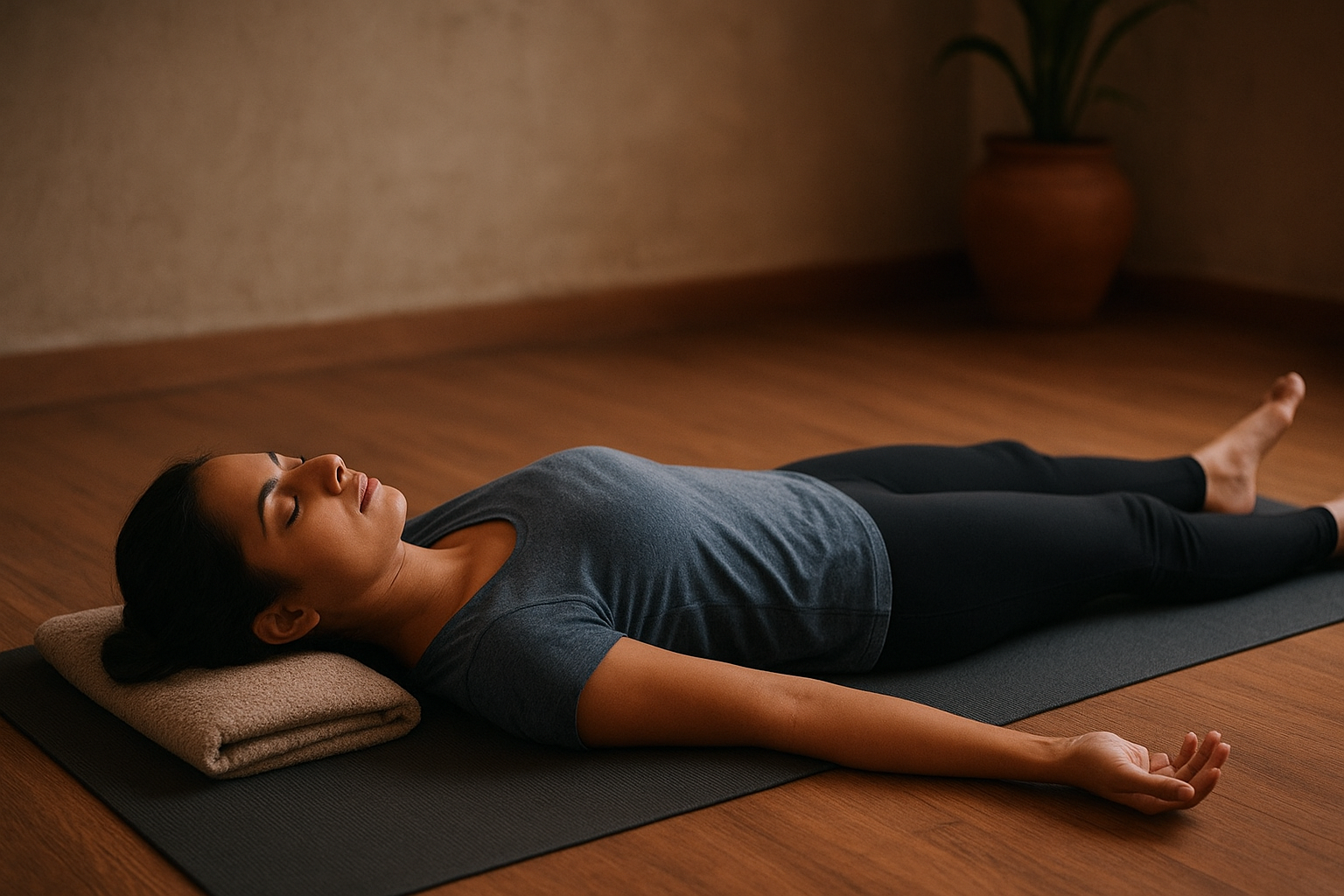
Yoga Nidra, also known as yogic sleep, is a guided meditation technique that lies somewhere between wakefulness and sleep. Despite its name, it’s not about actually falling asleep, but rather about entering a state of deep conscious relaxation where the body rests while the mind remains aware.
Rooted in ancient tantric traditions and systematized by modern masters like Swami Satyananda Saraswati, Yoga Nidra guides practitioners through several stages — from setting an intention (Sankalpa) to body scanning and visualization. It’s a meditative art that rejuvenates the nervous system, unwinds subconscious tension, and leads to profound stillness.
In this state, brainwave activity slows, the body enters a parasympathetic mode (the “rest and digest” state), and healing begins. Ten minutes of Yoga Nidra can feel as restorative as an hour of deep sleep.
The Science Behind Yoga Nidra
Modern neuroscience has confirmed what ancient yogis knew intuitively — Yoga Nidra alters brainwave patterns in a way that enhances relaxation and cognitive performance. Here’s how:
- Alpha and Theta Waves Activation: During practice, the mind transitions from frantic beta waves to slower alpha and theta frequencies, which are associated with creativity, intuition, and rest.
- Reduction in Cortisol: Studies show measurable drops in the stress hormone cortisol, leading to reduced anxiety and improved emotional regulation.
- Improved Sleep Quality: Because Yoga Nidra teaches the body to relax consciously, it trains the nervous system to sleep deeply without struggle.
- Increased Neuroplasticity: Regular practice enhances the brain’s flexibility and ability to form new connections, promoting both learning and unlearning of conditioned stress responses.
In essence, Yoga Nidra is both therapy and meditation, a structured way to declutter the mind.
The Art of Face Yoga: Reclaiming Expression and Vitality
If Yoga Nidra rejuvenates the inner world, Face Yoga revitalizes the outer expression of it. This practice combines gentle facial exercises, massages, and acupressure techniques to tone, relax, and lift the facial muscles naturally.
Our faces are emotional landscapes. Every stress, smile, and sigh leaves an imprint. Over time, these emotional micro-tensions accumulate, leading not just to visible signs of aging, but also mental fatigue. Face Yoga brings awareness to this delicate interplay of facial muscles and emotions, helping us release tension and project calm vitality.
The essence of Face Yoga lies in mindful movement and energetic flow — a natural way to reconnect with the face as the seat of personal expression.
How Face Yoga Works
Face Yoga is more than just skin-deep. It operates at the intersection of facial anatomy, lymphatic health, and subtle energy.
- Muscle Tone and Circulation: Gentle facial exercises strengthen muscles, improve blood circulation, and promote the natural production of collagen and elastin.
- Lymphatic Drainage: Massaging and tapping techniques stimulate lymph flow, reducing puffiness and detoxifying stagnant fluids.
- Nerve Activation: The face is rich in nerve endings connected to the brain and body. Activating specific points promotes relaxation and relieves jaw, eye, and forehead tension.
- Energetic Awareness: Many Face Yoga traditions draw from acupressure and Ayurveda, focusing on energy centers (marmas) to balance the body-mind flow.
The result is not just a youthful glow, but a sense of harmony between your inner and outer self.
Yoga Nidra and Face Yoga: A Perfect Synergy
When combined, Yoga Nidra and Face Yoga create a holistic practice that synchronizes internal calm with external ease.
- Yoga Nidra invites the body into stillness, allowing deep rest and cellular regeneration.
- Face Yoga channels this internal calm into visible relaxation on the face.
Together, they form a cycle of renewal: the mind releases tension from within, and the face reflects that serenity outward.
Think of it as a full-spectrum relaxation ritual — where Face Yoga gently prepares the body to unwind, and Yoga Nidra takes the mind into the quiet abyss of conscious sleep.
The Ideal Sequence: From Face to Mind
For best results, begin with Face Yoga to activate facial circulation and release visible muscular tension before diving into Yoga Nidra. Here’s how to harmonize both practices:
- Set the Mood: Find a quiet corner, dim the lights, and play slow instrumental or ambient music.
- Ground Yourself: Sit comfortably and take three deep breaths, exhaling through the mouth to release fatigue.
- Begin with Face Yoga (10–15 minutes):
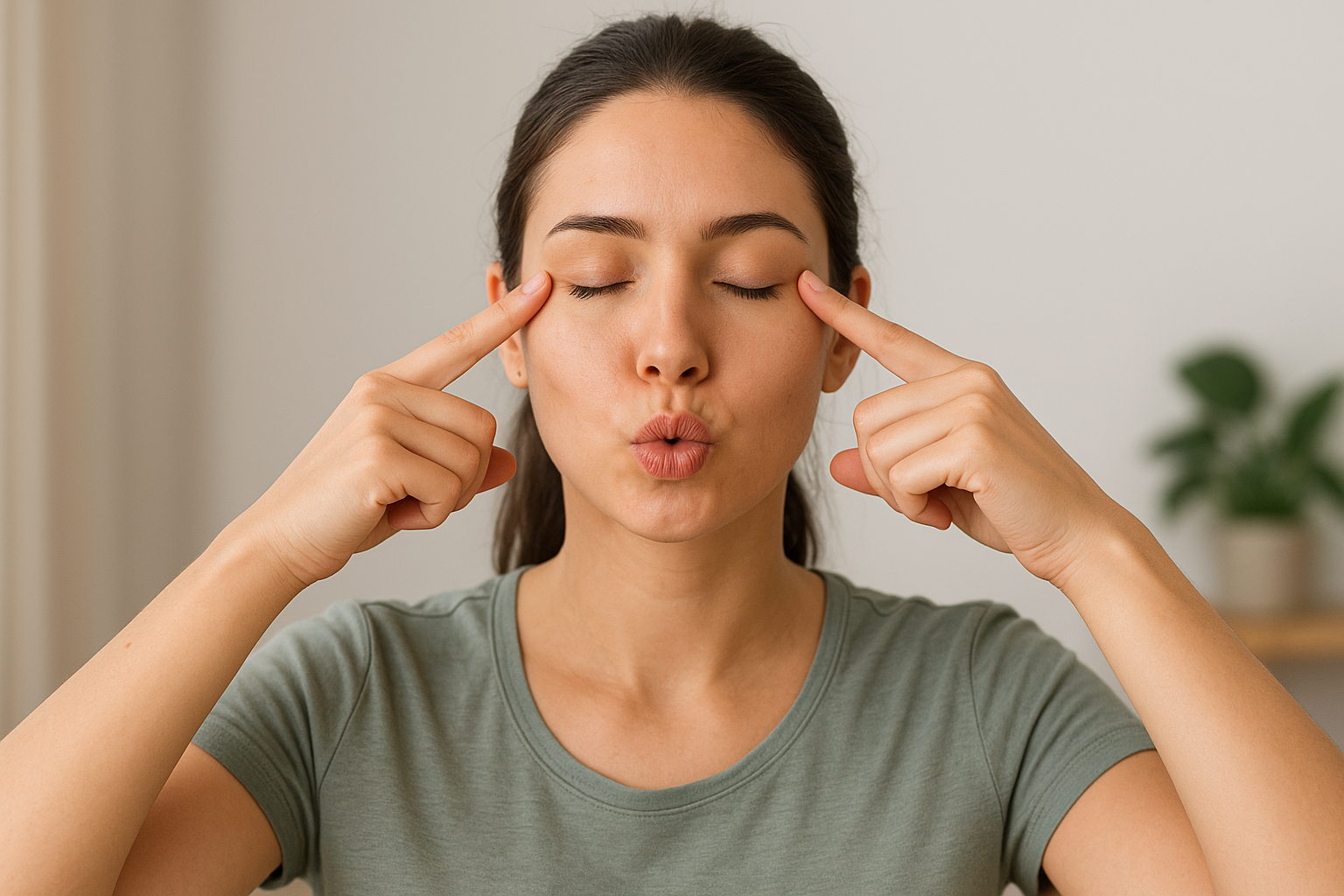
- Jaw Releaser: Open and close your mouth gently, massaging the jaw hinge with two fingers.
- Cheek Lifter: Place your fingers at the corners of your mouth and lift the cheeks upward while smiling.
- Eye Brightener: Gently stretch the skin near your temples to relax the area around your eyes.
- Forehead Smoother: Use your fingertips to stroke from the center of your forehead towards the temples.
- Neck Stretch: Tilt your head back slightly, elongate the neck, and breathe deeply.
- Transition to Yoga Nidra (20–30 minutes):
Lie flat on your back (Savasana) with arms and legs relaxed. Close your eyes and follow a guided Yoga Nidra practice or a recorded voice. A common order includes:- Sankalpa (Intention): Mentally repeat your positive affirmation.
- Body Scan: Rotate your awareness through each part of the body.
- Breath Awareness: Observe your natural breathing rhythm.
- Visualization: Picture calming imagery like waves, light, or nature scenes.
- Return Awareness: Slowly awaken with gratitude.
By the end, you’ll feel a gentle lift in both the face and the spirit — a luminous relaxation that radiates from within.
Psychological Benefits: Calmness Reflected Outward
The subtle alchemy of Yoga Nidra and Face Yoga extends far beyond the skin. Psychologically, these practices help regulate emotions, boost confidence, and deepen self-acceptance.
- Stress Relief: Yoga Nidra’s deep rest state clears mental chatter, while Face Yoga releases expressive stress.
- Emotional Expression: Many practitioners note feeling more comfortable smiling genuinely and projecting calm energy.
- Confidence and Self-Image: A relaxed face often translates to greater self-esteem and interpersonal ease.
- Mindful Awareness: Committing to daily practice fosters a self-connection that feels both grounding and liberating.
When you relax the face consciously, the mind follows. When the mind quiets through Yoga Nidra, the face softens naturally. It’s a beautifully cyclical relationship.
Physiological Benefits: Healing and Renewal
The benefits of combining both practices ripple through the entire body:
- Improved Circulation: Facial massage boosts oxygen supply, while Yoga Nidra enhances systemic blood flow.
- Hormonal Balance: Yoga Nidra’s influence on the hypothalamus helps regulate stress hormones.
- Sleep Regulation: Both practices prepare the body for deep, natural sleep cycles.
- Cellular Regeneration: The parasympathetic activation supports the body’s healing and renewal processes.
- Pain and Tension Relief: Releasing tightness in the jaw, forehead, and neck reduces headaches and shoulder strain.
In effect, what you’re cultivating is cellular-level relaxation — healing that penetrates both the visible and invisible layers of being.
Creating Your Home Ritual
You don’t need a yoga studio or expensive tools. All you need is consistency and intention.
Here’s a simple home ritual to blend both practices:
- Morning Glow Ritual: Start your day with 10 minutes of Face Yoga to energize your facial muscles and awaken your senses. Follow it with a short Yoga Nidra session (15–20 minutes) to anchor your mind for the day ahead.
- Evening Wind-Down: After work, cleanse your face, apply a nourishing oil, and perform gentle Face Yoga to release tension. End the day with a longer Yoga Nidra (30 minutes) for restorative sleep.
Add small mindfulness layers — light a candle, diffuse lavender oil, play soft music — to enhance sensory engagement.
The Spiritual Dimension: Beyond Relaxation
While most people begin these practices for relaxation or beauty, the deeper purpose transcends the physical.
Yoga Nidra reconnects you with the subtle experience of pure awareness — the space behind thoughts and sensations. It teaches surrender, reminding you that existence flows effortlessly when you let go of control.
Face Yoga, on the other hand, symbolizes self-acceptance. It’s an act of mindful care — a loving response to the face that communicates who you are. By releasing habitual expressions of stress or judgment, you learn to embody serenity and compassion in the way you present yourself to the world.
Together, they represent outer and inner reflection — the art of being wholly present and wholly at peace.
Modern Adaptations and Global Popularity
The surge in digital wellness content has made both Yoga Nidra and Face Yoga accessible globally. Online platforms now offer personalized sessions combining the two. Some mindfulness apps even integrate guided Face Yoga meditations paired with Nidra-inspired soundscapes.
Wellness studios in Tokyo, New York, and Mumbai are experimenting with hybrid sessions — dimly lit rooms where gentle facial massages segue into deep Yoga Nidra immersion. This integration marks a new wellness trend: slow beauty meets conscious rest.
Influencers and holistic therapists are also emphasizing the psychological side of “facial mindfulness” — teaching people to see their reflections without judgment, a concept deeply entwined with both yogic and psychological healing philosophies.
Tips for Beginners
- Start Small: Begin with 10 minutes of each practice daily, gradually extending duration.
- Use a Guide: Beginners benefit from guided Yoga Nidra sessions to structure awareness flow.
- Stay Consistent: Daily repetition engrains new neural relaxation patterns.
- Avoid Force: Gentle movements and relaxed awareness are key — this is not a performance practice.
- Journal the Experience: After each session, write a few lines about sensations, emotions, or images experienced.
- Observe Your Expression: Over time, notice subtle changes — softer eyes, relaxed jaw, an inner smile.
Consistency, not intensity, transforms the practice into a lifestyle.
Integrating With Other Wellness Habits
Pairing these practices with complementary wellness activities enhances results:
- Breathwork: Five minutes of alternate nostril breathing (Nadi Shodhana) before Yoga Nidra prepares the nervous system.
- Herbal Support: Chamomile or Ashwagandha tea promotes inner calm.
- Balanced Diet: Hydration and anti-inflammatory foods (like turmeric, berries, nuts) support skin and brain health.
- Mindful Movement: Incorporate light asanas or morning stretches to maintain flexibility.
When combined, these habits create a 360-degree wellness ecosystem centered around balance and presence.
Common Myths and Misconceptions
Despite their simplicity, both practices are often misunderstood. Let’s clear a few myths:
- Myth 1: Yoga Nidra is just sleeping.
Reality: It’s a guided meditation designed to keep awareness active even while the body rests. - Myth 2: Face Yoga is only for vanity.
Reality: The goal isn’t beauty enhancement, but emotional relaxation and self-connection. - Myth 3: You need experience in yoga or meditation.
Reality: Anyone can practice Yoga Nidra or Face Yoga — they are intuitive and adaptable. - Myth 4: It requires special products or tutors.
Reality: Simple self-guided videos or free recordings are enough to begin effectively.
- The Deeper Message: Beauty from Stillness
- In a culture obsessed with doing, Yoga Nidra and Face Yoga remind us of the transformative power of stillness. Rest and renewal are not luxuries; they are necessities.
- Through consistent practice, you begin to notice subtle shifts — fewer frown lines, slower reactions, a gentler gaze at life. The face becomes a canvas of calmness, and the mind learns to rest in awareness instead of anxiety.
- You start living not reactively, but reflectively.
- And that’s the true yogic glow: not from external treatments, but from the serenity that lives beneath your skin.
·
- Final Thoughts: The Harmony of Inner Peace and Outer Radiance
- Yoga Nidra and Face Yoga may seem distinct, but they share a profound philosophy — that true beauty and relaxation arise from within. Their union symbolizes an elegant balance between inner surrender and outer mindfulness.
- In the quiet stillness of Yoga Nidra, the face softens. In the gentle flow of Face Yoga, the mind awakens. Each nourishes the other, creating an unbroken circle of well-being.
- So, carve out a few minutes each day to lie back, close your eyes, and reconnect with your essence. Smile softly — not because you must, but because peace has found a home in you.
- That is the ultimate mind-body relaxation practice — a living meditation where every breath, every muscle, and every thought flows in harmony.
Frequently Asked Questions (FAQs)
About Yoga Nidra and Face Yoga
1. What is the main difference between Yoga Nidra and meditation?
While both promote mindfulness, Yoga Nidra is a guided relaxation technique practiced lying down. It systematically rotates awareness through the body and mind, leading to a state between wakefulness and sleep. Traditional meditation, on the other hand, usually involves sitting upright and maintaining mental focus or breath awareness. Yoga Nidra focuses on conscious rest, while meditation focuses on concentration and insight.
2. Can beginners practice Yoga Nidra and Face Yoga without any prior yoga experience?
Absolutely. Both practices are beginner-friendly. Yoga Nidra only requires you to lie down and follow verbal guidance, while Face Yoga involves simple, intuitive movements. You don’t need flexibility or complex postures — consistency and mindfulness matter most.
3. How often should I practice Yoga Nidra and Face Yoga to see results?
For visible and lasting results:
- Face Yoga: 10–15 minutes daily or at least 5 days a week.
- Yoga Nidra: 20–30 minutes, 3–5 times per week.
Practicing both regularly leads to improved sleep, glowing skin, reduced anxiety, and overall emotional balance within a month.
4. Is it normal to fall asleep during Yoga Nidra?
Yes, and it’s very common — especially for beginners. Sleep indicates your body is deeply relaxed. With time and practice, you’ll learn to remain in a conscious rest state, staying aware even as your body sleeps. That’s where the most profound transformations occur.
5. When is the best time to practice Yoga Nidra and Face Yoga?
- Morning: Face Yoga energizes facial muscles and enhances circulation for a refreshed look.
- Evening: Yoga Nidra is best done before bedtime as it lowers cortisol levels and supports deep sleep.
However, there are no strict rules — practicing whenever your schedule allows still yields benefits.
6. What facial areas benefit the most from Face Yoga?
Every area benefits, but the greatest improvements are seen in:
- Forehead (reduces frown lines)
- Eyes (less puffiness and dark circles)
- Cheeks (enhanced lift and tone)
- Jawline (reduced clenching and definition improvement)
- Neck (tightening and relaxation)
7. Do I need oils or special products for Face Yoga?
Not necessarily. However, applying a few drops of light facial oil — like rosehip, almond, or jojoba — makes the practice smoother and prevents skin tugging. Oils also nourish tissues and aid lymphatic drainage. Always work on clean skin, ideally after cleansing.
8. Can Yoga Nidra help reduce anxiety and stress-related fatigue?
Yes. Research shows Yoga Nidra activates the parasympathetic nervous system, lowering cortisol and heart rate. It helps balance the autonomic nervous system, relaxes the mind, and improves long-term emotional resilience. Practitioners often describe it as “meditative therapy” for both mind and body.
9. Is Face Yoga scientifically proven to work?
While research is emerging, preliminary studies show that consistent Face Yoga can improve muscle tone, blood circulation, and facial symmetry. Dermatologists and physiotherapists agree that regular stimulation of facial muscles enhances natural firmness and helps counteract age-related sagging.
10. Can Yoga Nidra be practiced for specific goals like healing, creativity, or manifestation?
Yes. The Sankalpa or heartfelt intention — repeated at the beginning and end of Yoga Nidra — is designed precisely for that. When your mind is in a receptive, subconscious state, affirmations take root more deeply, enhancing healing, focus, and self-confidence.
11. How soon can I notice improvements from this combined practice?
You may feel emotional calm and improved sleep after the first few sessions. Visible changes such as glowing skin, relaxed expressions, and enhanced emotional regulation generally appear within 3–4 weeks of consistent practice.
12. Can these practices replace skincare or medical treatments?
No. Face Yoga complements skincare but doesn’t replace professional dermatological care or medical treatments when necessary. It enhances your skin’s natural health, improves blood flow, and supports emotional well-being — it’s a holistic support system, not a clinical substitute.
13. Is it safe for pregnant women or the elderly to practice Yoga Nidra and Face Yoga?
Yes, with caution. Both practices are gentle and adaptable. However:
- Pregnant women should avoid lying flat on their backs for long sessions; side-lying Yoga Nidra is preferred.
- Seniors should support the neck and knees with pillows for comfort.
Consult a certified yoga therapist or healthcare professional for personalized modifications.
14. Can Yoga Nidra help improve cognitive performance or focus?
Definitely. Yoga Nidra enhances memory consolidation, learning capacity, and creative thinking. By fostering alpha-theta brainwave activity, it helps reduce mental fatigue and boost mental clarity — perfect for students, professionals, or creatives.
15. What is the ideal duration for deep results?
For transformative benefits, aim for at least 40 minutes of combined practice — 10–15 minutes of Face Yoga followed by 20–30 minutes of Yoga Nidra. Over time, these practices synergize, amplifying one another’s effects for emotional steadiness and physical radiance.
16. Can I listen to guided Yoga Nidra recordings online?
Yes. There are many authentic recordings available by trained yoga nidra teachers and institutes like the Bihar School of Yoga or iRest programs. Choose voices that feel calm and grounding. Once familiar, you can guide yourself without audio support.
17. How do these practices affect the skin and aging process?
By reducing chronic muscle tension, enhancing lymphatic drainage, and lowering stress hormones, the skin’s self-repair mechanisms become more active. The result is a natural facelift effect — brighter skin, fewer wrinkles, and a radiant complexion rooted in balance, not cosmetic effort.
18. Is there any spiritual side to these techniques?
Yes — both originate from yogic traditions emphasizing self-awareness and union. Yoga Nidra connects you to the subtle dimensions of consciousness, while Face Yoga nurtures reverence for your physical form. Together, they teach that beauty, rest, and mindfulness are spiritual expressions of self-love.
19. What should I do immediately after completing my session?
Stay seated quietly for a few minutes before rushing into daily activities. Drink a glass of water, stretch lightly, and reflect on your sensations or insights. This “integration phase” allows your mind to absorb the practice’s benefits fully.
20. How can I build a long-term habit?
- Schedule fixed times daily.
- Keep sessions simple — even 10 minutes counts.
- Track your emotional and physical changes weekly.
- Pair the practice with something symbolic, like candlelight or gentle music, to condition your mind for relaxation.
- Conclusion: The Stillness That Shines Through You
- In the hurried chaos of modern life, real rest often feels elusive. Our bodies crave downtime, yet our minds remain entangled in endless motion. Yoga Nidra and Face Yoga offer a return — not to inactivity, but to presence. They remind us that true relaxation is not escape; it is awareness resting in itself.
- Through Yoga Nidra, we learn to surrender to deep conscious rest, letting go of layers of tension, thought, and identity until we touch pure stillness. Through Face Yoga, we learn to honor the physical vessel that carries our emotions, softening the micro-expressions that mirror inner strain. The two together represent a union of inward and outward grace — the mind resting in silence, and the face glowing with ease.
- What begins as a few quiet minutes of practice soon transforms into a way of being. You start noticing how relaxed awareness shifts every interaction — conversations feel gentler, your reflection looks kinder, and the world mirrors that inner peace back to you.
- In this integration of rest and renewal, you’re not just beautifying the face or calming the mind; you’re cultivating harmony within your entire being. You begin to live in flow, guided by the rhythm of breath, awareness, and self-compassion.
- So carve out a ritual — a small pocket of silence in your day — where you can feel, soften, and simply be. Close your eyes, breathe deeply, release the day’s weight, and smile from the heart. Let your serenity be your true radiance, and your calm be your greatest strength.
- That’s the essence of this combined practice: a tranquil mind reflected on a serene face — the unmistakable glow of balance, mindfulness, and self-love.