Table of Contents
Yoga is an ancient practice that continues to captivate millions across the globe with its profound benefits for body, mind, and soul. Among the many styles of yoga, Hatha Yoga stands out as a foundational and accessible approach, ideal for beginners and seasoned practitioners a like.
This comprehensive guide explores what Hatha Yoga is, its extensive benefits, key poses perfect for all levels, and tips for finding yoga classes near you to start or deepen your practice.
What is Hatha Yoga?
Hatha Yoga is a branch of yoga that emphasizes physical postures (asanas), breathing techniques (pranayama), and meditation to harmonize the body and mind. Originating from ancient Indian scriptures such as the Hatha Yoga Pradipika, it aims to prepare the practitioner through physical discipline for deeper spiritual experiences.
The word “Hatha” combines “Ha” (sun) and “Tha” (moon), symbolizing the balance of opposing forces within us—strength and flexibility, activity and calm.
Unlike fast-paced yoga styles, Hatha Yoga offers a more gentle and deliberate practice focused on precision, alignment, and mindful breathing.
A typical Hatha session lasts about 90 minutes, beginning with breathing exercises to calm the nervous system, followed by warm-ups like the Sun Salutation (Surya Namaskar), and progressing through a series of postures held steadily to build strength, flexibility, and balance.
The session often concludes with relaxation or meditation to cultivate inner peace.
Mental and Emotional Benefits of Hatha Yoga
Physical Benefits of Hatha Yoga
Cardiovascular and Respiratory Health
Controlled breathing exercises in Hatha Yoga strengthen lung capacity and oxygenate the blood. These techniques can lower blood pressure, improve circulation, and enhance heart health. Breath awareness also supports better respiratory efficiency, beneficial in conditions such as asthma.
Improved Flexibility and Range of Motion
One of the most immediate effects of practicing Hatha Yoga is enhanced flexibility. Regularly holding and transitioning through poses stretches muscles, tendons, and ligaments. This increased elasticity helps relieve stiffness, improves joint mobility, and prevents injuries.
Flexibility gained through yoga is especially valuable as we age, helping maintain the freedom of movement necessary for everyday activities.
Strength and Core Stability
Hatha Yoga postures engage various muscle groups, especially the core muscles that support spinal alignment and balance. Holding poses like the Tree Pose (Vrikshasana) or Plank builds muscle tone, endurance, and posture, strengthening the body’s foundation.
Improved core stability also reduces the risk of back pain and enhances athletic performance.
Posture Correction and Balance
Yoga develops body awareness and alignment, improving posture by teaching how to sit, stand, and move mindfully.
This awareness strengthens postural muscles and reduces strain on the spine and joints. Better balance through yoga practice lowers the risk of falls and supports functional independence, particularly in older adults.
Relieving Pain and Strengthening the Spine
Hatha Yoga has been shown to alleviate chronic pain such as lower back pain and neck discomfort by improving posture, spinal alignment, and muscle balance. Gentle backbends, twists, and stretches nurture a healthy spine and enhance range of motion.
Numerous studies support yoga as an effective complementary therapy for managing musculoskeletal pain.
- Stress Reduction and Relaxation
Yoga’s mindful breathing and gentle movements activate the parasympathetic nervous system—the body’s relaxation response. - This reduces cortisol levels, calming racing thoughts and bodily tension. Practicing Hatha Yoga before stressful events can significantly lower anxiety and improve confidence in handling pressure.
- Enhanced Mental Clarity and Focus
The meditative aspect of Hatha Yoga cultivates present-moment awareness and concentration. This mental training leads to sharper focus, better decision-making, and an improved ability to manage distractions. - Many practitioners experience increased productivity and creativity linked to regular yoga practice.
- Better Sleep Quality
Calming the nervous system through yoga and meditation promotes deeper and more restorative sleep. Studies have shown that yoga reduces the need for sleep aids by improving both the duration and quality of rest. - Emotional Balance and Mood Stability
Yoga encourages self-awareness and emotional regulation, helping to reduce symptoms of depression and anxiety. It boosts mood-enhancing neurotransmitters like serotonin and gamma-aminobutyric acid (GABA), fostering a sense of well-being and resilience.
Popular Hatha Yoga Poses and Their Benefits
Starting with foundational poses is ideal for anyone new to yoga or those seeking a mindful, steady practice. Here are some classic Hatha Yoga postures along with their specific benefits:
- Mountain Pose (Tadasana): Improves posture, balance, and blood flow; serves as a grounding foundation for other poses.
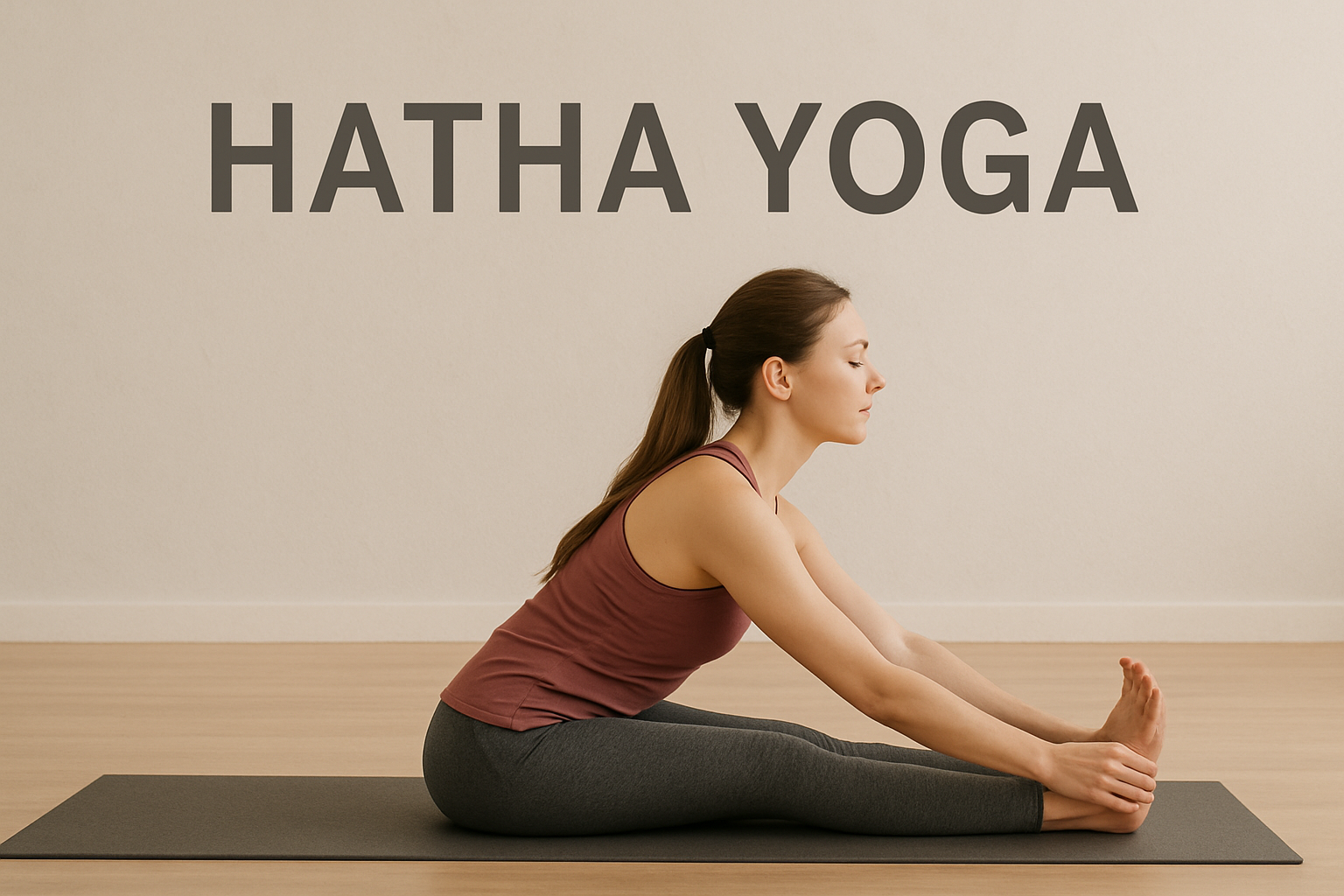
- Standing Forward Fold (Padahastasana): Stretches hamstrings and calves, strengthens thighs, calms the mind.
- Downward Facing Dog (Adho Mukha Svanasana): Energizes the body, stretches the spine and shoulders, strengthens arms and legs.
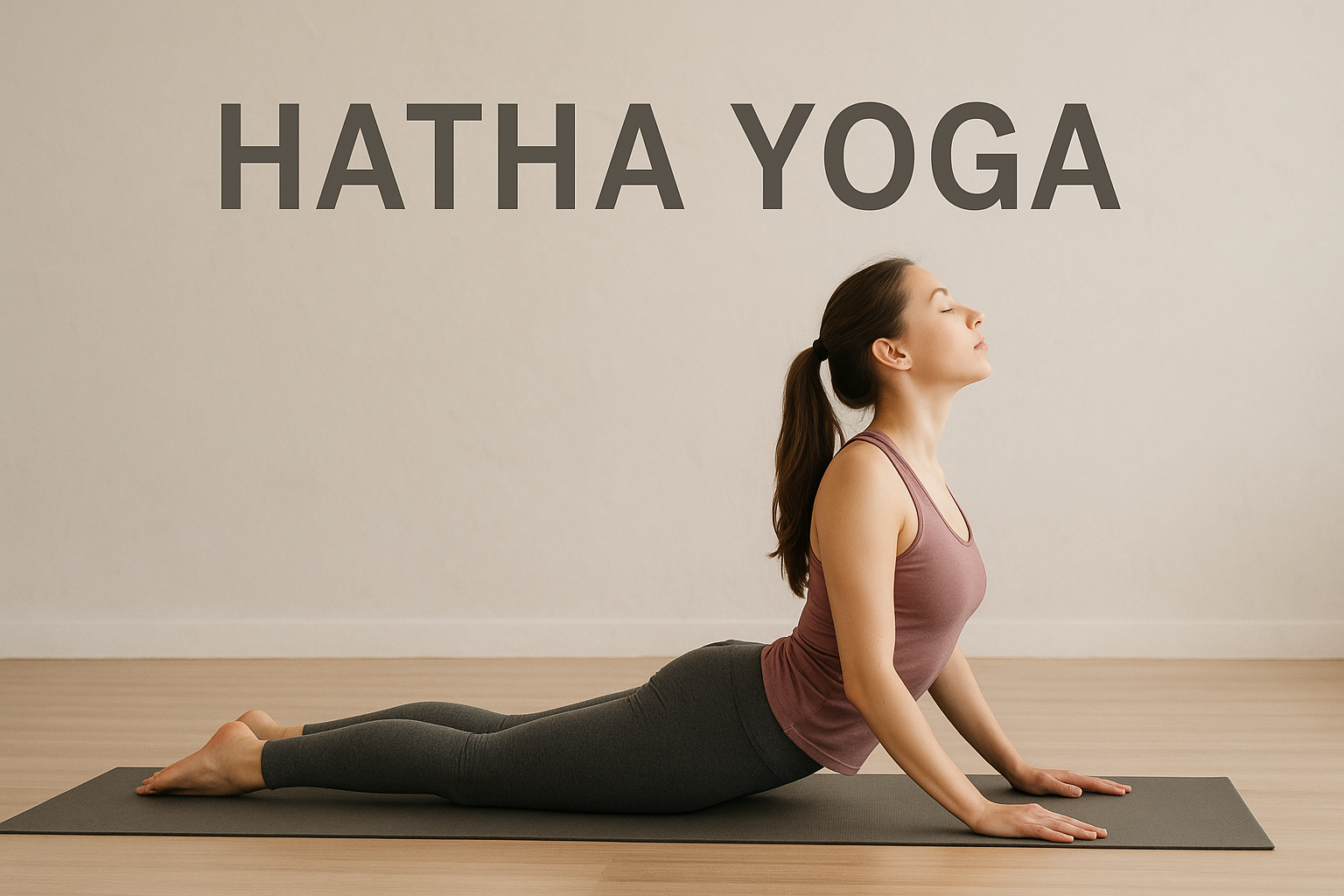
- Cobra Pose (Bhujangasana): Opens the chest, strengthens the spine, relieves lower back stiffness.
- Child’s Pose (Balasana): Provides a restful stretch, relieves tension in the back and neck.
- Tree Pose (Vrikshasana): Enhances balance and concentration, strengthens legs and core.
These poses are typically held for one to three minutes, with deep breathing to maximize benefits. Repeating them regularly builds flexibility, strength, and body awareness gradually and safely.
How to Find Yoga Near Me
For those interested in exploring Hatha Yoga or any yoga style, finding a nearby studio, community class, or certified instructor can make a big difference. Yoga classes grounded in a supportive environment provide expert guidance, ensure correct alignment, and foster motivation through community.
To find the best “yoga near me,” consider the following:
- Search online for local yoga studios and classes with good reviews.
- Explore class styles that suit your goals – from gentle Hatha to more vigorous Vinyasa.
- Look for certified and experienced instructors who can tailor classes to your level.
- Check for convenient schedules and pricing options.
- Consider beginner-friendly sessions or workshops if you’re new to yoga.
Many cities now offer a variety of yoga options, including online live classes and hybrid models, making it easier than ever to start practicing from the comfort of home.
Additional Benefits of Regular Yoga Practice
Beyond the physical and mental advantages of Hatha Yoga, regular yoga practice also:
- Enhances body awareness, which helps with injury prevention and healthier movement habits.
- Supports detoxification by stimulating internal organs through twists and poses.
- Boosts immune function and overall vitality by reducing inflammation and stress.
- Promotes mindfulness, encouraging healthier lifestyle choices such as balanced eating and regular exercise.
For holistic well-being, integrating Hatha Yoga into your weekly routine can be transformative, elevating your energy levels, emotional resilience, and overall quality of life.
Advanced Benefits of Hatha Yoga
Beyond the foundational physical and mental benefits, Hatha Yoga offers several advanced advantages that contribute to holistic health and longevity. Regular practitioners often report superior bone density, enhanced joint lubrication, and increased vitality through the control and flow of prana (life energy).
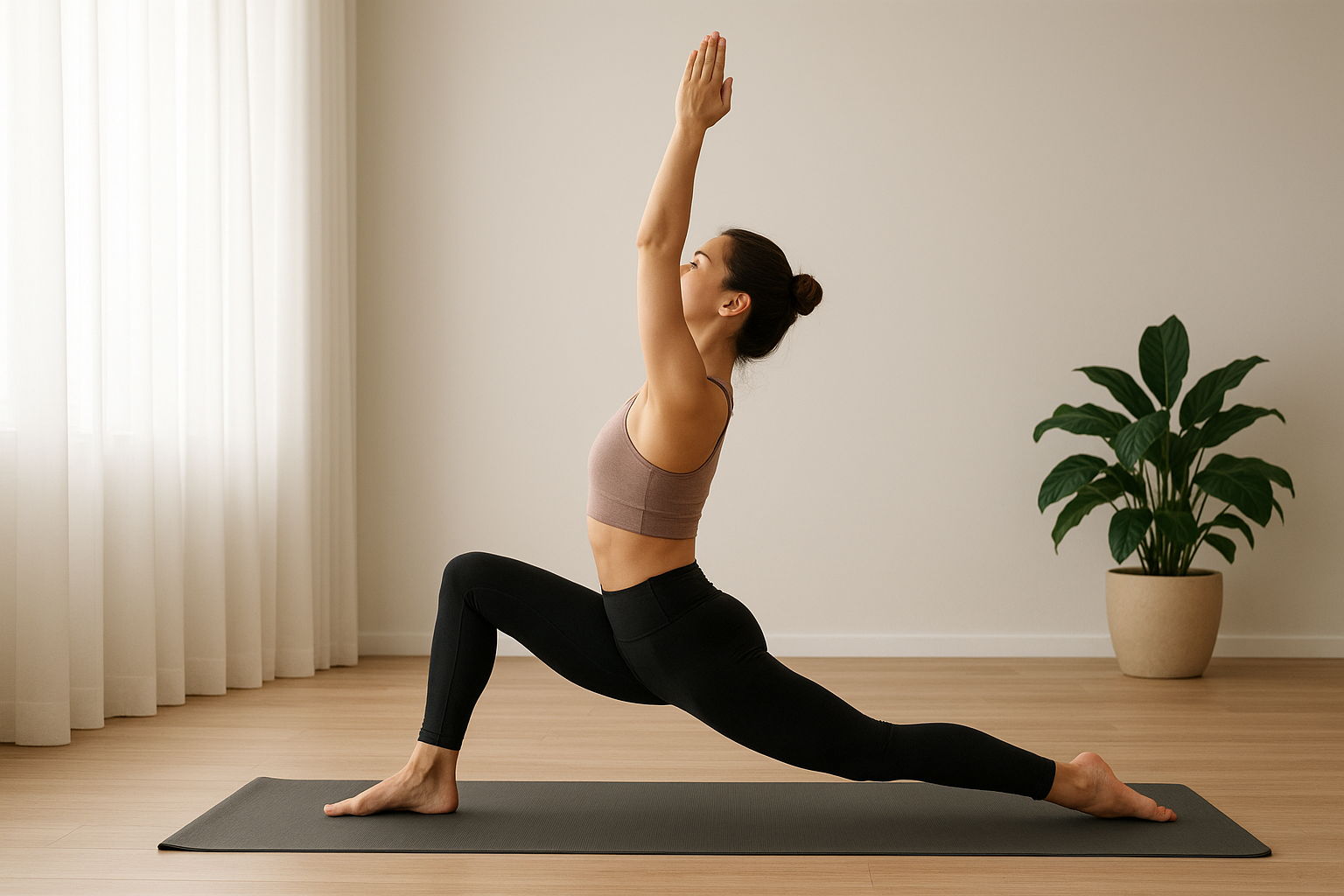
Many weight-bearing Hatha postures like Warrior Pose and Tree Pose stimulate and strengthen bones, helping reverse bone loss and reduce risks associated with osteoporosis. This makes Hatha Yoga beneficial at any age but especially crucial for older adults to maintain skeletal strength and mobility.
The practice also energizes the body by sustaining and balancing prana. Through mindful postures and breath regulation, practitioners access and replenish vital energy, which tends to dwindle with stress and age. This energetic boost enhances resilience, stamina, and overall well-being.
Joint lubrication is another advanced benefit. Frequently seated or inactive lifestyles can cause joint stiffness due to underuse.
Hatha Yoga’s systematic movements promote synovial fluid circulation, restoring full joint range of motion and reducing discomfort, which aids in maintaining functional independence.
Hatha Yoga Breathing Techniques (Pranayama)
Central to Hatha Yoga is pranayama, the artful practice of breath control. Breathing is not merely passive but an active means to influence physical health and mental states.
Beginners learn to differentiate shallow breathing from deep diaphragmatic breathing—a shift that profoundly impacts relaxation and energy levels.
Here are some fundamental pranayama techniques practiced in Hatha Yoga:
- Nadi Shodhana (Alternate Nostril Breathing): This technique involves inhaling through one nostril while closing the other, then exhaling through the opposite nostril. It balances the nervous system, calms the mind, and improves respiratory function.
- Ujjayi Breath (Victorious Breath): Involves a gentle constriction at the throat to create a soft ocean-like sound during breathing. This breath energizes while maintaining calm focus during postures.
- Bhramari (Humming Bee Breath): Produces a resonant humming sound on exhalation, inducing deep relaxation and reducing anxiety.
- Siitkari and Shiitali (Cooling Breaths): These techniques involve inhaling through the mouth in a defined manner to cool the body and purify the senses.
Mastering these breathing practices enhances concentration, deepens relaxation, and optimizes oxygen exchange, supporting cardiovascular and mental health.
Hatha Yoga for Mental Health and Emotional Well-being
The mind-body connection is at the core of Hatha Yoga’s transformative power. Scientific research strongly supports Hatha Yoga as an effective intervention for mental health issues such as stress, anxiety, depression, and sleep disorders.
By activating the parasympathetic nervous system, Hatha Yoga serves as a natural antidote to chronic stress. Regular practice lowers cortisol—the stress hormone—resulting in calmer thoughts, reduced muscle tension, and improved emotional regulation.
Specific postures like Child’s Pose, Bridge Pose, Legs-Up-the-Wall Pose, and Corpse Pose have been identified as highly beneficial for soothing the nervous system and promoting mental clarity. Breathwork and meditation further support neural pathways associated with mood stability.
Notably, Hatha Yoga increases the production of serotonin and gamma-aminobutyric acid (GABA), neurotransmitters that foster happiness and relaxation. This explains its efficacy in reducing symptoms of anxiety and depression comparable to some pharmaceutical treatments.
Improved sleep quality is a well-documented benefit, as the grounding and mindful components of Hatha Yoga prepare the body for deep, restorative rest—vital for mental health and overall recovery.
The practice also boosts self-esteem by encouraging body awareness and acceptance, allowing individuals to build a positive relationship with themselves.
Combining Hatha Yoga with Meditation
Hatha Yoga and meditation are complementary practices that, when combined, create a powerful synergy for physical and mental wellness. Hatha Yoga prepares the body by releasing tension and improving posture, making it easier to sit comfortably for extended periods of meditation.
Integrating meditation into your routine involves starting with gentle asanas like Child’s Pose or Easy Pose to relax and connect with the breath. After the physical practice, transitioning into seated meditation allows deeper mental focus and emotional calm.
Meditation techniques such as mindfulness, mantra repetition, or guided visualization can effectively manage intrusive thoughts, increase emotional resilience, and deepen the sense of inner peace cultivated through yoga.
Practitioners often finish sessions with gratitude reflections, which amplify positivity and reinforce the benefits experienced on and off the mat.
Finding the Best Yoga Near Me
For those eager to start or deepen their Hatha Yoga practice, finding local yoga studios or certified instructors is key. The search for “yoga near me” can lead to various options tailored to diverse needs, from beginners to advanced practitioners.
When choosing a yoga center, consider the following:
- Studio reputation and instructor credentials, ensuring certified Hatha Yoga teachers with experience.
- Class formats and schedules, looking for beginner-friendly sessions and flexibility.
- Community and atmosphere, which can motivate consistent practice.
- Availability of complementary offerings such as meditation, pranayama workshops, or teacher training.
Cities like Jaipur provide numerous options like HealthHub Fitness Club, Shree Yoga (women-only), and Cult.fit studios offering Hatha Yoga classes across various time slots.
Online platforms also supplement access by providing live or recorded sessions ideal for busy or remote practitioners, ensuring the practice is accessible anywhere.
Integrating Yoga Into Daily Life
To maximize the benefits of Hatha Yoga, it’s essential to integrate it mindfully and consistently into daily life. Start small by dedicating 15-20 minutes daily, gradually increasing as comfort grows.
Create a calm, distraction-free space to practice, and use guided classes if needed to maintain technique correctness and motivation.
Combining Hatha Yoga with mindful eating, hydration, and adequate rest enhances its positive effects. Practicing outdoors amid nature can amplify relaxation and grounding. Lastly, maintaining a practice journal helps track progress, emotional changes, and motivation over time.
Conclusion: A Holistic Pathway to Health
Hatha Yoga is more than a physical exercise; it is a holistic practice that nurtures physical vitality, mental clarity, and emotional equilibrium. From its classical postures to advanced breathing techniques and meditation integration, it offers a complete system for personal transformation.
Whether one seeks flexibility, stress relief, mental health support, or spiritual connection, Hatha Yoga provides accessible tools to achieve these goals. Locating the right yoga center or online course allows practitioners to benefit from expert guidance and community support.
Embracing Hatha Yoga invites a journey of self-discovery, balance, and enhanced quality of life—an invaluable gift in today’s fast-paced world. Begin today to experience the profound benefits of this ancient yet timeless practice.