Aerial Yoga and Pranayama Yoga: Raising Body, Breath, and Mind
The wellness community has in the recent past experienced a boom in popularity in new and different types of yoga.
Although the conventional practices of Hatha, Vinyasa, and Pranayama Yoga are deeply steeped in traditional knowledge, new styles like Yoga are catching up with new-age practitioners.
These styles might appear to be quite different at first glance—one involving silks hung from the ceiling, the other involving controlled breathing—but both have one thing in common: attaining balance between the body, mind, and spirit.
In this detailed manual, we will delve into the realm of this yoga, learn the foundations of pranayama yoga, and find out how integrating these two practices can have a lasting impact on your wellness experience.
What is Aerial Yoga?
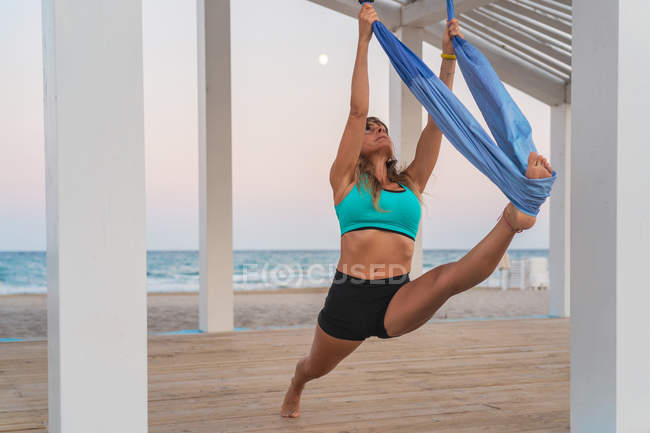
Aerial yoga, or anti-gravity yoga, is a contemporary blend of yoga, Pilates, acrobatics, and dance. Participants utilize a soft fabric hammock or silk which is firmly attached to the ceiling.
This hammock suspends the body in several poses so that students can discover movements which are difficult on the floor.
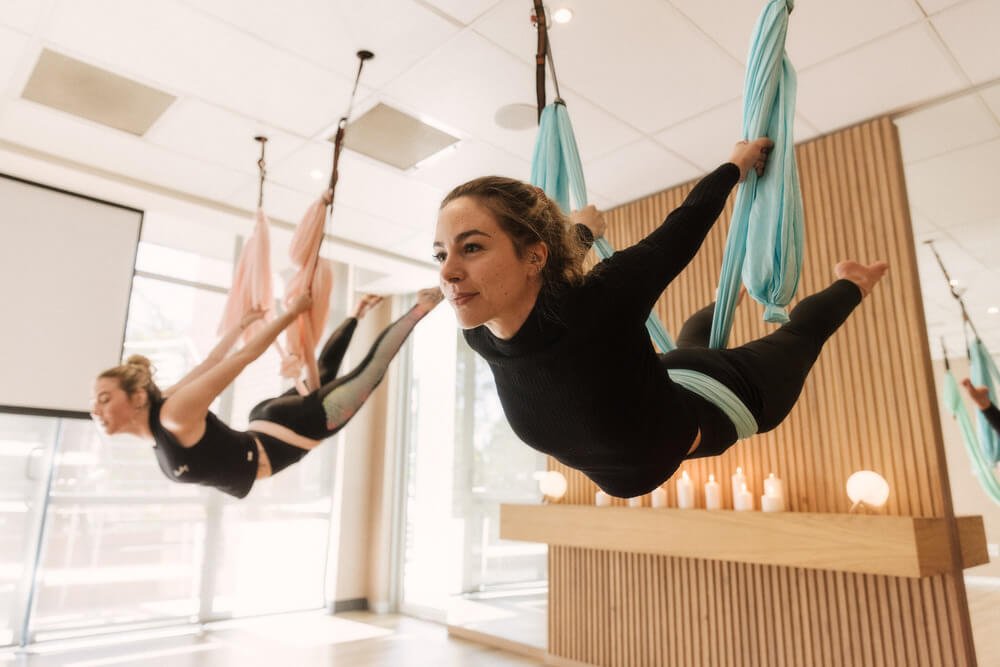
In contrast to conventional yoga, aerial yoga is using gravity to its advantage. The hammock not only helps deepen the stretch but also eases joint pressure, allowing practitioners to reach complex postures with less resistance.
Origins of Aerial Yoga
Aerial yoga was initially mainstreamed in the early 2000s by Christopher Harrison, a one-time Broadway dancer and gymnast, who founded Antigravity Fitness. Since then, it has gone global as an enjoyable, challenging, and healing style of yoga that suits beginners as well as experts.
What is Pranayama Yoga?
For one to fully appreciate how aerial yoga and pranayama yoga supplement each other, one must first understand what pranayama is all about.
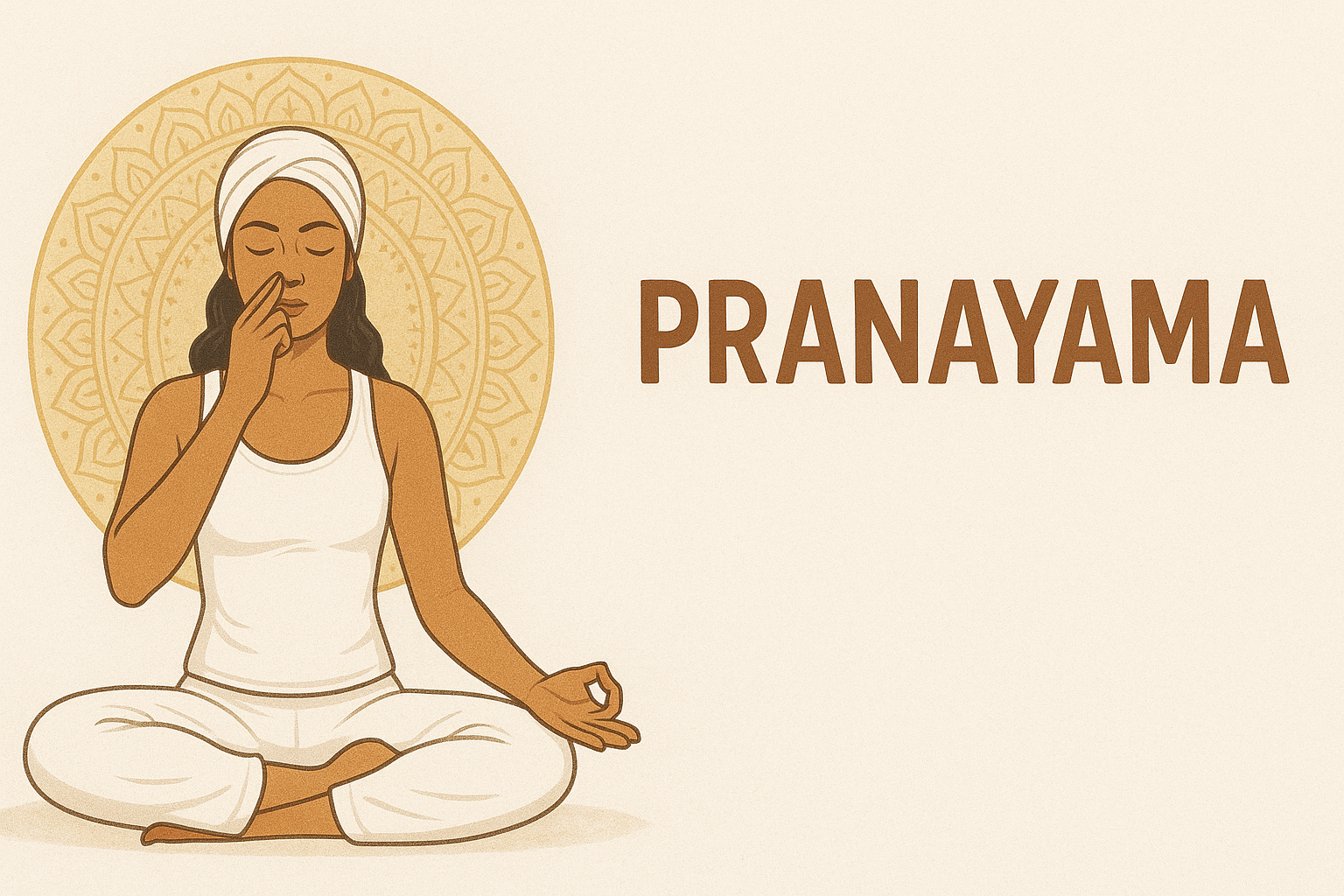
“Prana” is the Sanskrit term for life force or breath, and “Ayama” signifies control or extension. So, Pranayama Yoga is the regulation and extension of the breath for increased flow of energy, calming the mind, and cleansing the body.
Important Techniques in Pranayama Yoga
- Nadi Shodhana (Alternate Nostril Breathing): It balances the left and right hemispheres of the brain.
- Kapalabhati (Breath of Fire): Energizing technique for cleansing the body.
- Bhramari (Bee Breath): Calms the nervous system and alleviates stress.
- Ujjayi (Victorious Breath): Encourages concentration and deepens meditation.
- Sheetali (Cooling Breath): Dispels heat and quiets the mind.
Pranayama yoga is usually practiced in combination with asanas (postures) and meditation, thus turning into a well-rounded system that develops physical energy, emotional balance, and spiritual consciousness.
The Link Between Aerial Yoga and Pranayama Yoga
Aerial yoga and pranayama yoga would appear to be unrelated at first sight—there’s physical posture in a hammock for one, while the other revolves around the breath. But each beautifully complements the other:
•\tBreath and Movement Awareness: Coordination of breath and movement is essential in aerial yoga. Adding pranayama techniques enhances this awareness.
•\tInner Relaxation: Suspended inversions in aerial yoga quiet the nervous system, but pranayama yoga intensifies the inner stillness.
•\tEnergy Flow: Both practices free up prana (life force energy) and enhance circulation.
•\tMind-Body Balance: Combining postures with aerial breathing develops presence and awareness.
Advantages of Aerial Yoga
this yoga is practiced regularly provides a multitude of benefits, making it appealing to both fitness lovers and well-being seekers.
- Spinal Decompression
Inversions done with the hammock enable the spine to naturally lengthen, easing pressure on bulging discs and alleviating back pain. - More Flexibility
The hammock offers support, making it simpler to maintain deeper stretches and enhance overall flexibility. - Strength in the Core and Upper Body
Aerial yoga activates stabilizing muscles, especially in the core, arms, and shoulders, leading to enhanced strength and posture. - Enhanced Circulation
Inversions drive blood flow to the brain, improving mental clarity and energy levels. - Stress Relief
The gentle swaying and mindful breathing combine to stimulate relaxation, lowering cortisol levels and anxiety. - Fun and Creativity
Aerial yoga is more playful and experimental than traditional yoga, making it more engaging and motivating for practitioners.
Advantages of Pranayama Yoga
Pranayama yoga, while less physically dramatic than aerial yoga, provides equally intense advantages:
- Increases Lung Capacity
Recurring practice boosts oxygen consumption and improves respiratory health. - Decreases Stress and Anxiety
Breath control stimulates the parasympathetic nervous system, soothing the mind and body. - Detoxifies the Body
Some pranayama exercises aid in the removal of toxins and restoration of internal organs. - Improves Focus and Concentration
Conscious breathing refines attention and increases productivity. - Boosts Immunity
Enhancing circulation and oxygen levels, pranayama yoga enhances the immune system.
Aerial Yoga vs. Traditional Yoga
Facet\tAerial Yoga\tTraditional Yoga
Support\tUtilizes a hammock to support\tLeverages the floor alone
Inversions\tSimpler with suspension\tNeed more strength and equilibrium
Accessibility
Facilitates beginners to try advanced poses
Gradual increase through levels
Fun Factor
Playful, dynamic, and creative
Meditative and grounding
Focus
Strength, flexibility, decompression
Balance, alignment, inner awareness
How to Blend Aerial Yoga and Pranayama Yoga
Combining aerial yoga with pranayama yoga provides a well-rounded practice that builds physical strength while soothing the mind.
Recommended Sequence:
- Grounding Breathwork: Start with 5 minutes of Nadi Shodhana to bring yourself center.
- Gentle Aerial Warm-Up: Utilize the hammock for supported stretches and light swings.
- Strength & Inversions: Enter aerial postures such as inverted butterfly or aerial plank.
- Breath Integration: Use Ujjayi breathing in difficult postures to remain alert.
- Cool Down with Bhramari: Finish the session with Bee Breath while lying in the hammock.
This sequence provides physical exercise and deep relaxation, making it a balanced mind-body experience.
Who Can Practice Aerial Yoga and Pranayama Yoga?
Aerial Yoga:
• Ideal For: Fitness enthusiasts, office workers with back pain, yoga practitioners seeking variety.
• Caution: Those with vertigo, recent surgery, or heart conditions should consult a doctor first.
Pranayama Yoga:
• Ideal For: Anyone—from beginners to advanced yogis.
• Caution: People with respiratory conditions should start slowly under guidance.
Scientific Research on Aerial and Pranayama Yoga
• A 2016 study published in the Journal of Applied Physiology highlighted how inverted postures improve spinal health and circulation.
•\tStudies on pranayama, e.g., in the International Journal of Yoga (2014), demonstrate its potential to reduce stress hormones and enhance heart rate variability.
•\tSynergy between exercise (e.g., aerial yoga) and breathing (pranayama yoga) has been proven to maximize mental and physical well-being.
Tips for Aerial Yoga Beginners
1.\tGet a Trained Instructor: Particularly with aerial yoga, a professional is always better than going alone.
2.\tBegin Gently: Don’t push yourself into difficult poses; allow your body to acclimatize at its own pace.
- Pair with Breathwork: Accompany each pose with mindful breathing methods.
- Be Consistent: Try to schedule at least 2–3 sessions a week.
- Listen to Your Body: Don’t overpush and respect your boundaries.
Myths and Misconceptions
“Aerial yoga is for the young and limber.”
Not necessarily.
The hammock can, in fact, assist beginners and open up yoga to everyone.
“Pranayama yoga is merely deep breathing.
“
It’s much more—breathing techniques specifically have an effect on energy levels, mood, and even organ function.
“Aerial yoga is unsafe.”
It is therapeutic and safe with proper equipment and instructor.
The Spiritual Aspect
In addition to fitness, both pranayama yoga and aerial yoga connect to greater realms of self-knowledge:
•\tAerial Yoga: Weightlessness symbolizes surrender, trust, and liberation.
•\tPranayama Yoga: Breath mastery develops inner stillness and spiritual evolution.
Together, they create a bridge between body and soul—providing not only physical well-being but a means to mindfulness and inner calm.
Conclusion: Raising Well-being with Aerial Yoga and Pranayama Yoga
In today’s world, where stress, inactivity, and distractions prevail, both aerial yoga and pranayama yoga offer potent antidotes.
Aerial yoga introduces playfulness, strength, and liberty to the body, whereas pranayama yoga introduces stillness, acuity, and energy to the mind.
No matter what you’re looking for—spinal relief, emotional equilibrium, or spiritual transformation—incorporating these practices into your life can assist you in attaining wholeness.
By combining movement and breathing, gravity and rest, and playfulness and awareness, aerial yoga and pranayama yoga teach us that optimal health is all about balance—inside and outside of us
Enhanced Flexibility
The silk hammock in aerial yoga supports your body weight, allowing for deeper, gravity-assisted stretches. With the added focus of conscious breathing (pranayama), muscles relax more fully, enabling safer and more significant improvements in flexibility over time.
Deep Core and Full-Body Strength
Maintaining stability while suspended in the air requires constant activation of the core and supporting muscle groups. Pranayama enhances body awareness, making it easier to engage the right muscles, improving overall strength and posture with each session.
Spinal Decompression and Back Relief
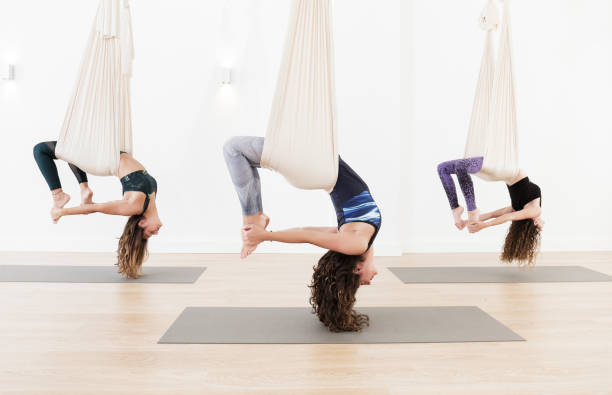
Aerial yoga offers a unique opportunity to comfortably hang upside down or offload weight from the spine. This decompression relieves joint pressure and lengthens the spine, which can be transformational for people with chronic back pain.
Effective Stress Reduction
Suspension in the hammock creates an uplifting experience, literally and figuratively, while mindful breathing during pranayama calms the nervous system, relieves tension, and contributes to deep relaxation. The “cocoon” phase—resting in the hammock—provides a profound sense of peace.
Improved Circulation and Energy
Inversions and transitions in aerial yoga encourage blood to flow to the brain, flush toxins, and enhance oxygenation throughout the body. When paired with mindful pranayama, these benefits multiply, resulting in improved mental clarity and increased energy.
Mood Elevation and Emotional Release
The playful, childlike nature of aerial yoga, along with its endorphin-releasing movement, uplifts mood and can bring a sense of joy. Pranayama helps process emotional tension, so it’s not uncommon to leave class feeling lighter in spirit, or even experience an emotional release.
Greater Mind-Body Connection
Both aerial yoga and pranayama emphasize present-moment awareness. Learning to trust the hammock, coordinate breath with movement, and overcome fear fosters a deep state of mindfulness that extends into everyday life.
7 Hidden Struggles and Challenges
It’s essential to acknowledge the less glamorous aspects and risks of aerial yoga and pranayama, especially for newcomers.
Physical Limitations and Injury Risk
Aerial yoga isn’t ideal for those with joint issues, spinal injuries, high blood pressure, or certain cardiovascular concerns. The demands of hanging, stretching, and inverting mean that preexisting conditions can be aggravated, sometimes dangerously so—especially without medical clearance.
Psychological Barriers: Fear of Heights and Anxiety
Suspending off the ground can trigger anxiety or acrophobia. For those who are not comfortable being airborne, fear and psychological discomfort can hinder relaxation and even increase the risk of injury through stiff, hesitant movement.
Required Strength and Endurance
Unlike mat-based practices, aerial yoga demands significant upper body, grip, and core strength from the outset. Beginners may struggle to hold poses or experience fatigue quickly. This steeper strength curve can be discouraging for those expecting a gentler introduction to yoga.
Risk of Falls and Equipment Failure
Improper or insufficient rigging, incorrect use of the hammock, or faulty equipment setup can result in serious accidents—including falls and concussions. Practicing under professional supervision and checking all rigging for safety are non-negotiable safeguards.
Motion Sickness and Dizziness
Frequent swinging, spinning, or inverting causes motion sickness or dizziness in some individuals. Those susceptible to inner ear issues may find these movements very uncomfortable, if not intolerable.
Emotional Vulnerability and Release
Pranayama, especially when paired with slow or restorative aerial yoga, can unlock deep-seated emotional responses. Tears, anxiety, or sadness may surface unexpectedly, which, while ultimately healing, can feel confusing or overwhelming in the moment.
Accessibility and Inclusivity Issues
Getting in and out of the hammock, or achieving certain poses, may be difficult for people with mobility impairments or body sizes outside the norm. Studios sometimes lack adaptive equipment or approaches, leaving individuals feeling excluded or frustrated.
Practical Tips for Success
- Always consult a medical professional before starting aerial yoga if you have health concerns.
- Choose certified instructors and professionally equipped studios.
- Build baseline strength with mat yoga or resistance training before advancing to aerial yoga if you’re new to exercise.
- Embrace the emotional journey—pranayama and aerial practices often create space for the release of old tension or emotions.
- Focus on breath in both practices to maintain calm and prevent panic if you feel overwhelmed.
Scientific Validation and Real-World Applications
A growing body of research affirms the physiological and psychological benefits of pranayama, with several clinical trials and meta-analyses showing clear, positive outcomes for quality of life, pulmonary functions, cardiovascular health, and emotional balance. A systematic review encompassing 18 controlled clinical trials highlighted improvements in pulse rate, systolic blood pressure, and multiple measures of respiratory health (such as forced vital capacity and peak expiratory flow rate) in individuals ranging from bronchial asthma patients to those with chronic obstructive pulmonary disease. Notably, these benefits also extended to cancer patients, with improvements in fatigue, sleep, and anxiety levels. The combination of these findings strongly supports pranayama’s role as a safe, low-cost supplement to traditional medicine, particularly for individuals with cardiorespiratory or stress-related disorders. However, researchers also emphasized the need for continued, high-quality studies to build an even stronger foundation of evidence for both short- and long-term benefits.
Cognitive and Emotional Enhancement
Beyond the physical, specific pranayama techniques—such as bhramari (humming bee breath)—have been shown to foster psychological resilience. Regular practice increases parasympathetic nervous system dominance, which correlates with reduced sympathetic “fight or flight” responses, leading to lower stress levels and improved mental clarity. Experimental studies reveal that even brief interventions (as little as five minutes per day over a span of weeks) yield improvements in peak expiratory flow, reaction time, and heart rate variability, all associated with better stress management and cognitive performance. These effects are mirrored in aerial yoga, where the integration of conscious breathing amplifies the calming, meditative effects of being suspended in the air, often helping practitioners achieve a state of “flow.” The harmonizing impact of pranayama extends to emotional regulation—decreasing levels of the stress hormone cortisol, supporting greater attention, and reducing anxiety.
Practical Integration in Modern Life
In today’s fast-paced world, the allure of practices that target both body and mind is stronger than ever, especially among individuals managing work-related stress, digital fatigue, and sedentary lifestyles. Aerial yoga, with its playful approach to movement and its ability to physically “lift” practitioners out of their everyday environment, is increasingly popular in both boutique fitness studios and holistic wellness centers globally. Pranayama, too, is recommended by wellness experts and medical advisors as a tool to start or finish the day mindfully—even five minutes of deep, intentional breathing can shift brainwaves and induce a measurable relaxation response.
Overcoming Barriers: Accessibility and Inclusivity
Despite their many benefits, there are genuine accessibility challenges. Most aerial yoga studios are concentrated in urban areas, and classes may be financially out of reach for some. Additionally, some individuals face discomfort with inversion or find it difficult to adjust to using specialized equipment and spaces. For pranayama, while the basic techniques are accessible to almost everyone, nuances in breath control and posture can result in frustration or strain if not taught properly. This reality underscores the ongoing importance of well-trained, empathetic instructors and the value of personalized guidance tailored to the practitioner’s physical, emotional, and cultural needs.
Personal Narratives and the Power of Community
Personal stories shared on social platforms reveal how individuals have transformed through the combined use of aerial yoga and pranayama. Many describe overcoming fear, rediscovering playfulness, and gaining newfound confidence in their strength and flexibility. For some, the practices have served as a “moving meditation,” improving mood and offering solace during difficult life events. The communal aspect—a supportive environment of peers and instructors—fosters a sense of belonging and shared growth that is often as valuable as the physical benefits. Conversely, there are stories of emotional vulnerability, physical discomfort, and bouts of embarrassment, which, when navigated with support, often become integral to the transformational journey.
Cultural Roots and Contemporary Practice
Both aerial yoga and pranayama are rooted in rich traditions—yoga dating back thousands of years, and aerial art forms historically used for performance and physical expression. Modern adaptations blend ancient wisdom with innovative exploration, making these practices approachable and relevant to contemporary life. The cross-pollination of yoga’s spiritual aims (union of body and mind) with the creativity and fun of aerial acrobatics embodies a holistic approach to healing and wellness.
Further Considerations: Precautions and Mindfulness
- Medical Supervision: People with heart disease, glaucoma, uncontrolled hypertension, or recent injuries should discuss their intentions with a healthcare provider before starting aerial yoga or advanced pranayama.
- Self-Compassion & Progress: Progress is not linear; some days may be easier than others. A gentle, non-judgmental attitude nurtures long-term growth.
- Continued Learning: Exploring various instructors, class types, and breath techniques can deepen the experience and reveal new benefits.
A Path Forward
Aerial yoga, when paired with pranayama, offers not just exercise, but a profound method for self-exploration and holistic health. It challenges practitioners physically, emotionally, and mentally, encouraging growth through adversity and the cultivation of inner peace. By honoring both the transformative rewards and the hidden struggles, individuals empower themselves to fully embrace this journey—floating, breathing, and thriving with greater awareness through every practice.